New River Adventurers
A report on the founders of the New River Company by Angelina Osborne with illustrations by Cat O’Neil
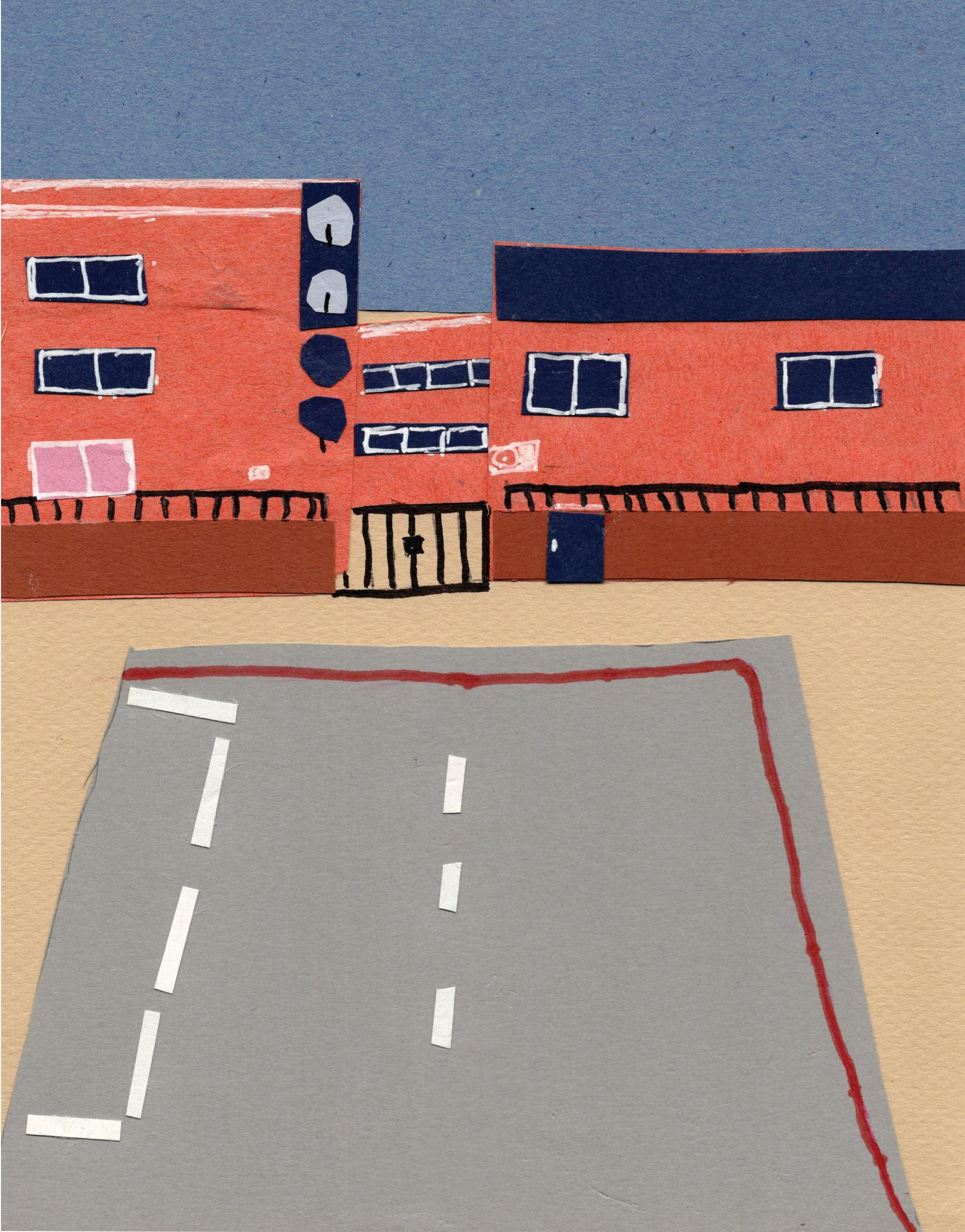
New River Head is the site of our future home in Clerkenwell, London. Its pump houses and reservoirs were an important part of London’s water supply network, and it was the headquarters of the New River Company.
The New River Company was owned by a group of investors who paid for the construction of the New River. They called themselves ‘the Adventurers’. Dr Angelina Osborne’s report New River Adventurers reveals the sources of wealth behind this investment.
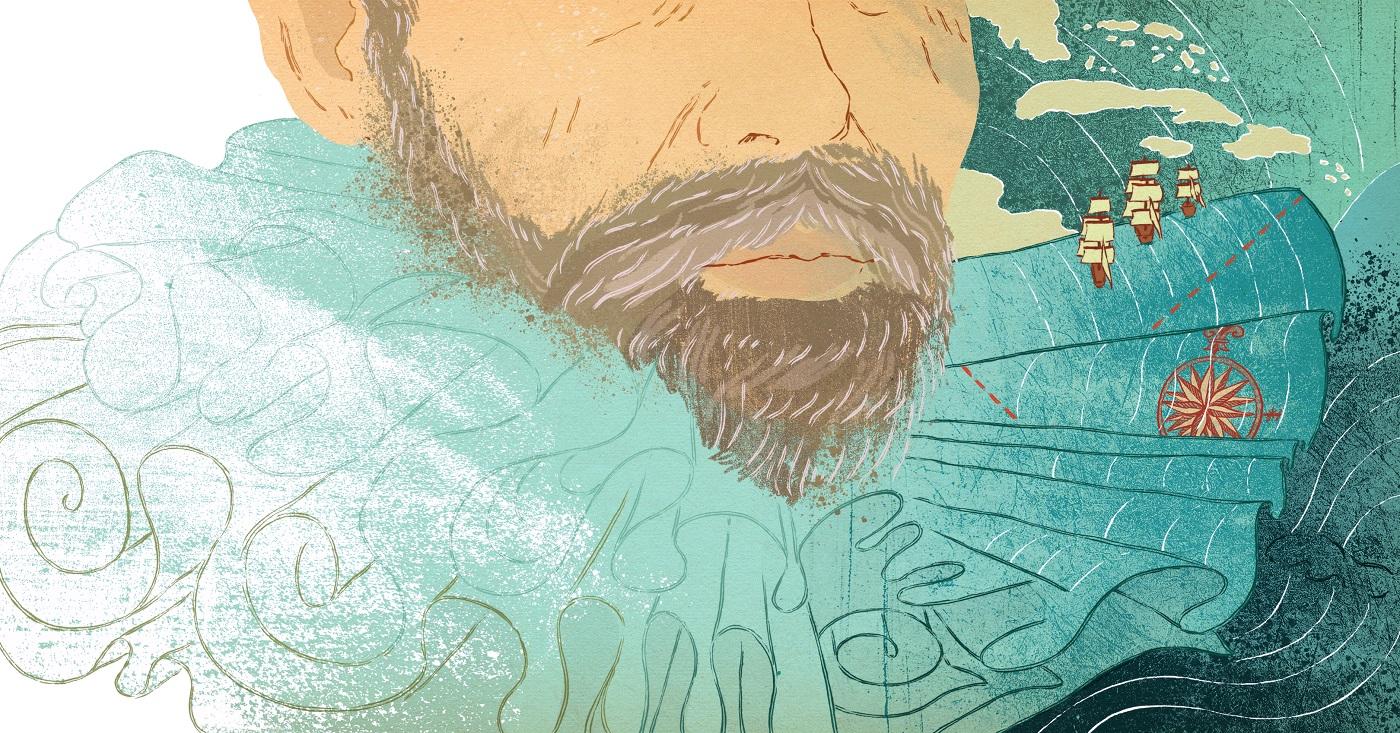
Half of the investors were powerful members of London society who had close personal, business and political connections. At least 19 of them were profiting from privateering (state-sanctioned piracy) and overseas trading. They invested in the Virginia, Guiana, East India and Somers Island (Bermuda) companies.
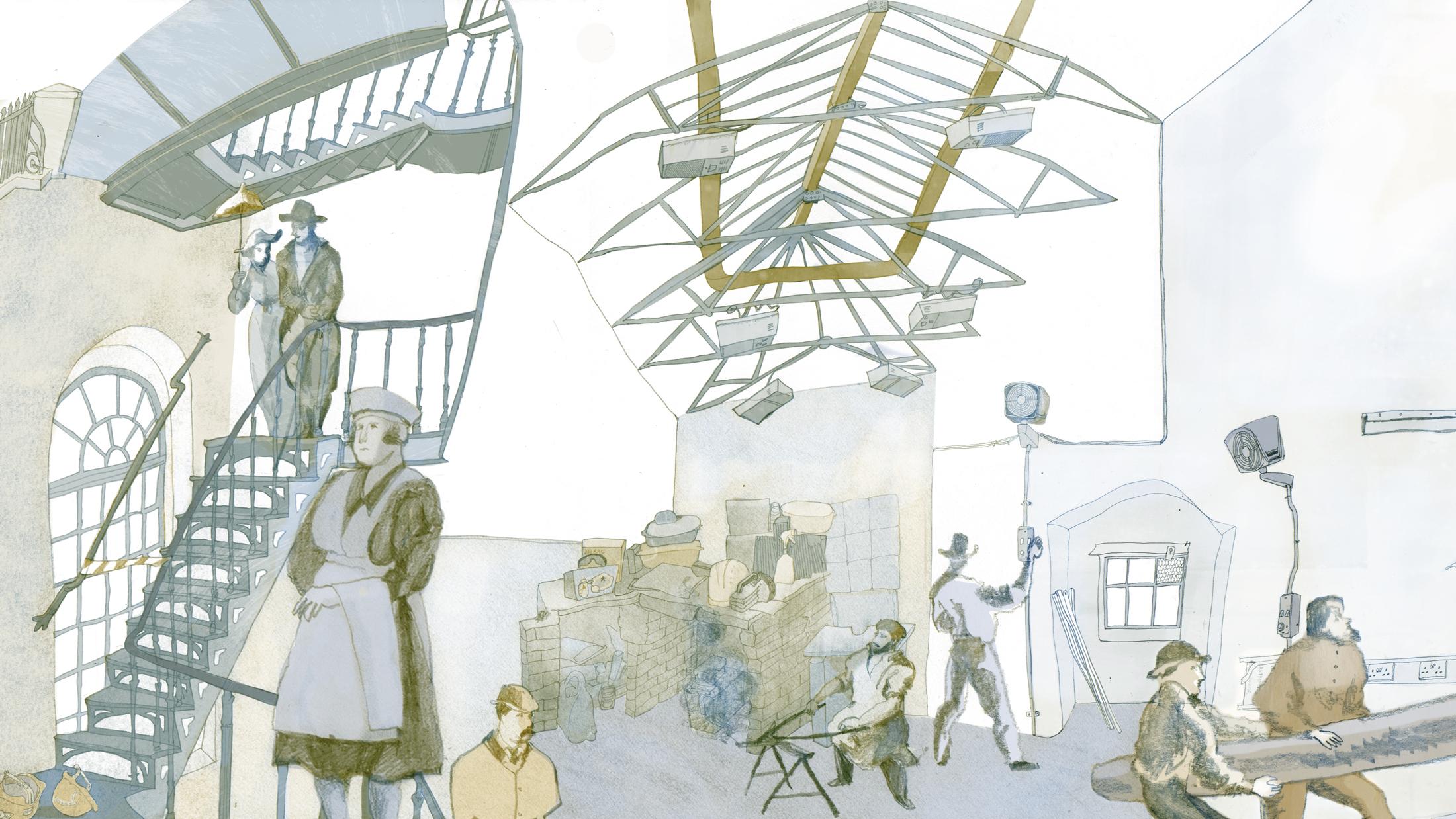
Cat O’Neil’s illustrations reveal Dr Osborne’s findings. They share the previously-untold story of the flow of money from global trade into the New River Company, and recognise that this commerce laid the ground for forced political control and exploitation of Indigenous peoples.
This report is the first part of our ongoing work to decolonise the story of New River Head.
New River Head is the site that we are restoring to create the Quentin Blake Centre for Illustration. When we open there, we will have a responsibility to share its stories with our visitors.
The site was the headquarters of the New River Company. It was founded in 1619 and soon became the the country’s largest profit-making water company. This was part of a wave of activity that made London one of the richest cities in the world.
This activity was enabled by a new type of business, the joint-stock company. A joint-stock company is owned by investors who share the money it makes. Today, this is common, but it was a new concept in the 16th and 17th centuries. Joint-stock companies enabled people to invest in risky enterprises like overseas voyages, colonisation and complicated engineering projects.
The New River was a complicated engineering project that found new ways to supply clean water that still have an impact today. This has been well researched. The New River Company was also influential as an early and profitable joint-stock company. By 1700, it was one of the three wealthiest in London, along with the Bank of England and the East India Company.
We want to understand this lesser-known aspect of the New River’s story so that we can share it with our audiences. This means carrying out research to understand how the New River Company’s business model was shared with other companies engaged in colonial trade, how funds from this trade fuelled the company and how its legacies have affected people.
This work will add depth to New River Head’s story and help us to understand how it fits into a bigger national and international picture. We believe that this broader understanding will support a wide audience to engage with this influential heritage site in line with our values of curiosity, equity, relevance and rigour.
No. The New River Company stopped supplying water in 1904 when London’s water supply network taken over by the Metropolitan Water Board, a municipal company. Since 1989, London’s water supply infrastructure has been owned and managed by private company Thames Water.
In culture and heritage settings, ‘decolonisation’ is the name given to a range of different activities that aim to recognise and explore the role of the British Empire(opens in new window) in our history and in our society today.
The Museums Association has resources and information(opens in new window) about decolonisation in museums.
They say: “To decolonise is to open up our spaces and collections to a broader historical perspective that engages a wider audience. Museums and heritage sites contain tangible evidence of our colonial past and therefore are perfectly placed to explore the legacies of those histories. Through this work new narratives of how we think of ourselves as a society can emerge – stories that stress that everyone has a right to a voice, to express their agency, and to understand their historical location. Nothing is being taken away, but rather decolonisation work adds depth, richness and a greater understanding to our collective cultural heritage.”
We are now researching New River Company shareholders from the mid-17th to the late-19th centuries. We will aim to find out who the shareholders were and what they did with the money they made from the New River Company. We will work with communities, illustrators and researchers to explore and share our findings as part of our wider work to interpret New River Head’s stories.

Illustrations by Cat O'Neil generously funded by the Barbara and Philip Denny Trust.
If you have comments, questions or suggestions on our plans to research and share the stories of New River Head, email info@qbcentre.org.uk.
Explore more
Politics of water
New River Folk
Lost Springs, Coming Spring