Private collection
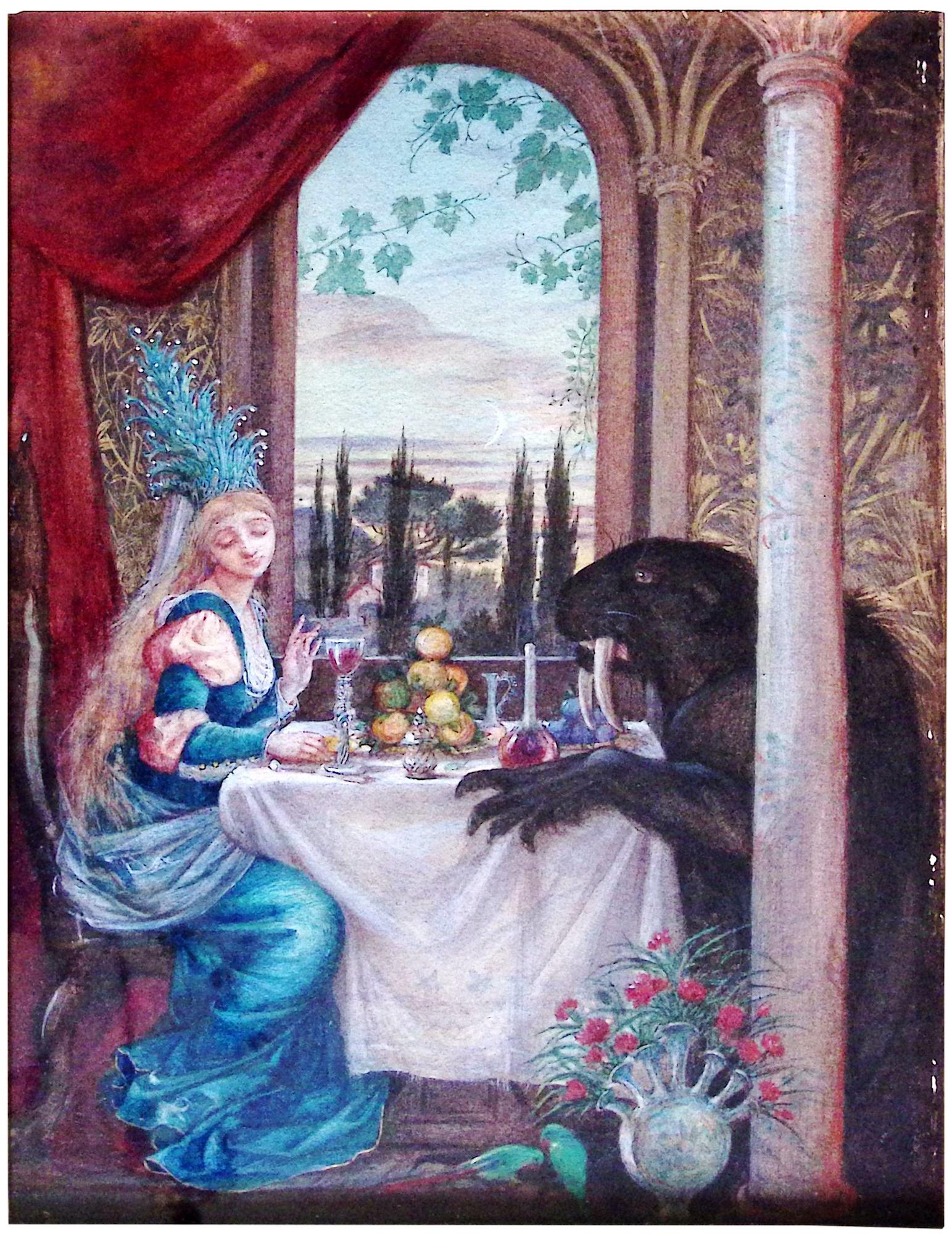
Beauty and the Beast at supper (illustration for Beauty and the Beast), c. 1875
Eleanor Vere Boyle (1825 – 1916) illustrated poetry and prose by some of the most popular authors of her time. She regularly drew and painted using ink and watercolour, sketching landscapes, animals and her children from life. She also made drawings from her imagination, often reflecting spiritual themes. This illustration is from Boyle’s 1875 retelling of Beauty and the Beast, a fairy tale where a woman is imprisoned by a monster and falls in love with him. Unlike other illustrated versions before or since, Boyle gave her beast walrus-like tusks and flippers. In several of her illustrations, Boyle used shell gold – a mixture of finely ground gold powder and gum arabic (tree sap) that would have been stored in a shallow seashell. In the final publication, the caption for this illustration reads, "After supper, every night, the Beast asked Beauty to be his wife: every night she said him nay."
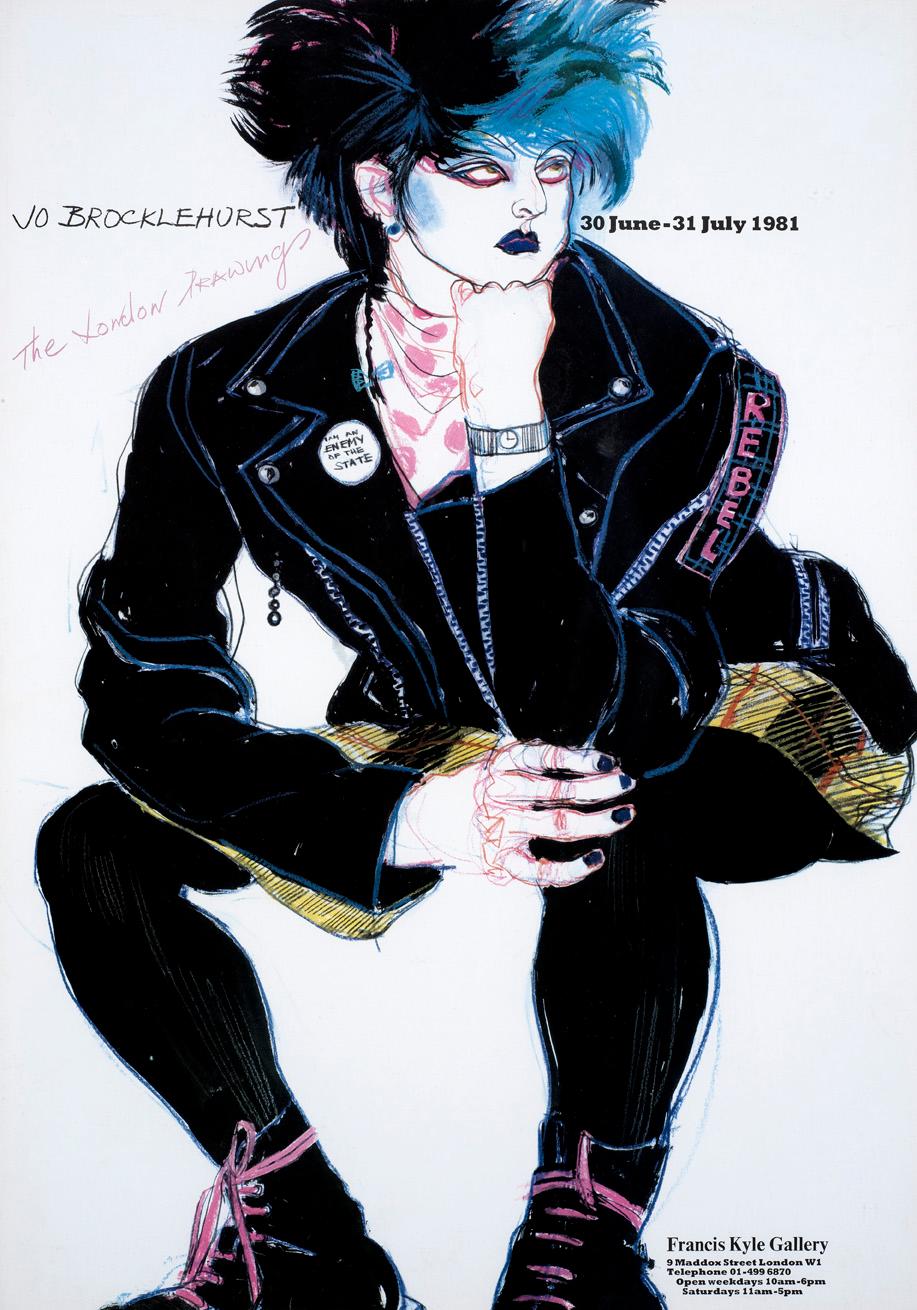
Jo Brocklehurst, Poster for The London Drawings at Francis Kyle Gallery, 1981
Jo (Josephine) Brocklehurst (1935 - 2006) studied at Central Saint Martins and began her career as a fashion illustrator. She later focused on portraiture, drawing directly from models at her studio in West Hampstead and in nightclubs and theatres in Berlin, London and New York. Her work documents the alternative subcultures of the 1970s, 80s and 90s that went on to shape mainstream fashion and performance scenes. This poster was produced for The London Drawings, Brocklehurst’s first exhibition at Francis Kyle Gallery.
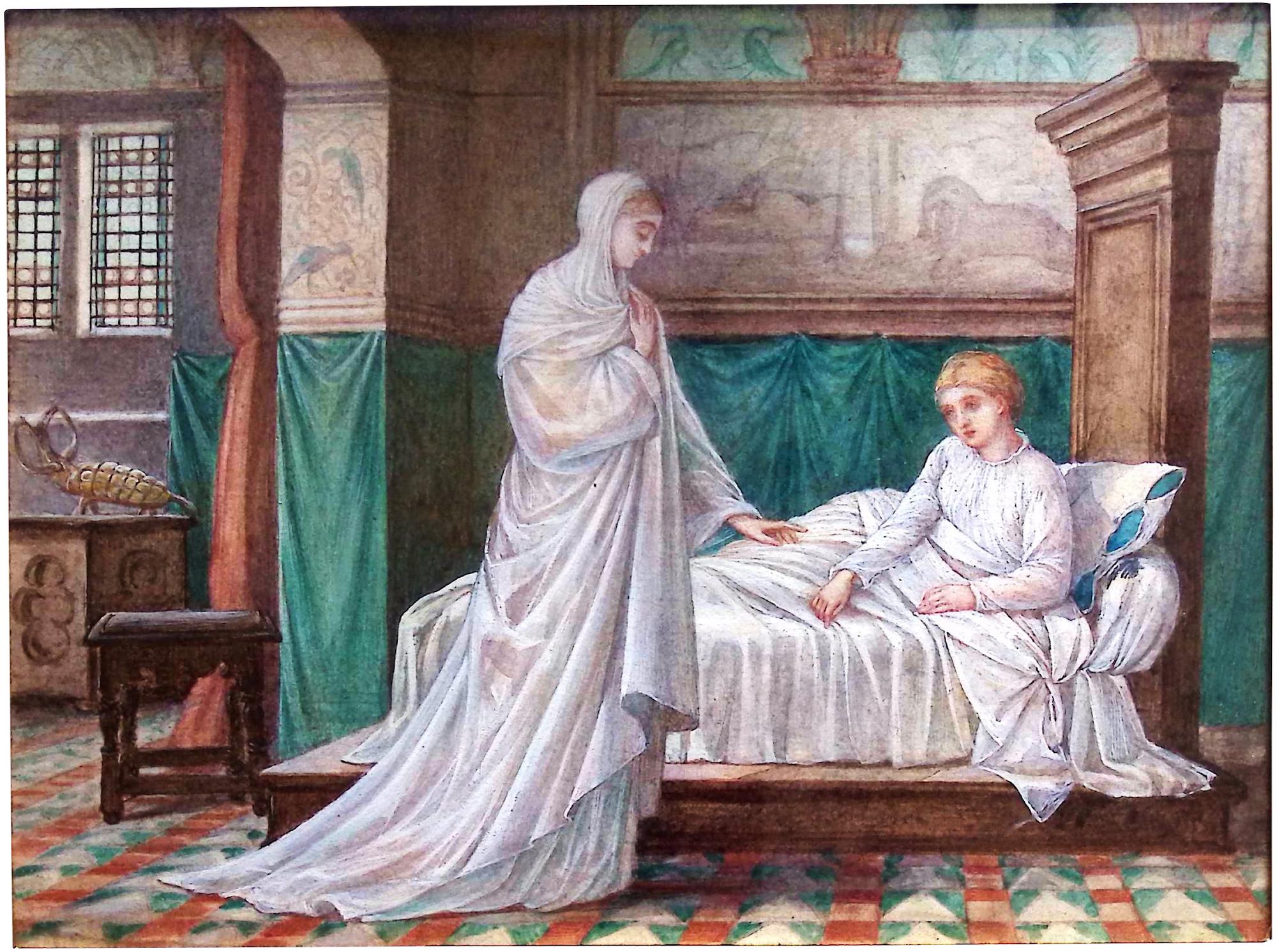
Illustration for Beauty and the Beast (a lady comforting Beauty), c. 1875
Eleanor Vere Boyle (1825 – 1916) illustrated poetry and prose by some of the most popular authors of her time. She regularly drew and painted using ink and watercolour, sketching landscapes, animals and her children from life. She also made drawings from her imagination, often reflecting spiritual themes. This illustration is from Boyle’s 1875 retelling of Beauty and the Beast, a fairy tale where a woman is imprisoned by a monster and falls in love with him. Unlike other illustrated versions before or since, Boyle gave her beast walrus-like tusks and flippers. In several of her illustrations, Boyle used shell gold – a mixture of finely ground gold powder and gum arabic (tree sap) that would have been stored in a shallow seashell. In the final publication, the caption for this illustration reads, "The room where Beauty slept. At dawn, a lady came to comfort her"
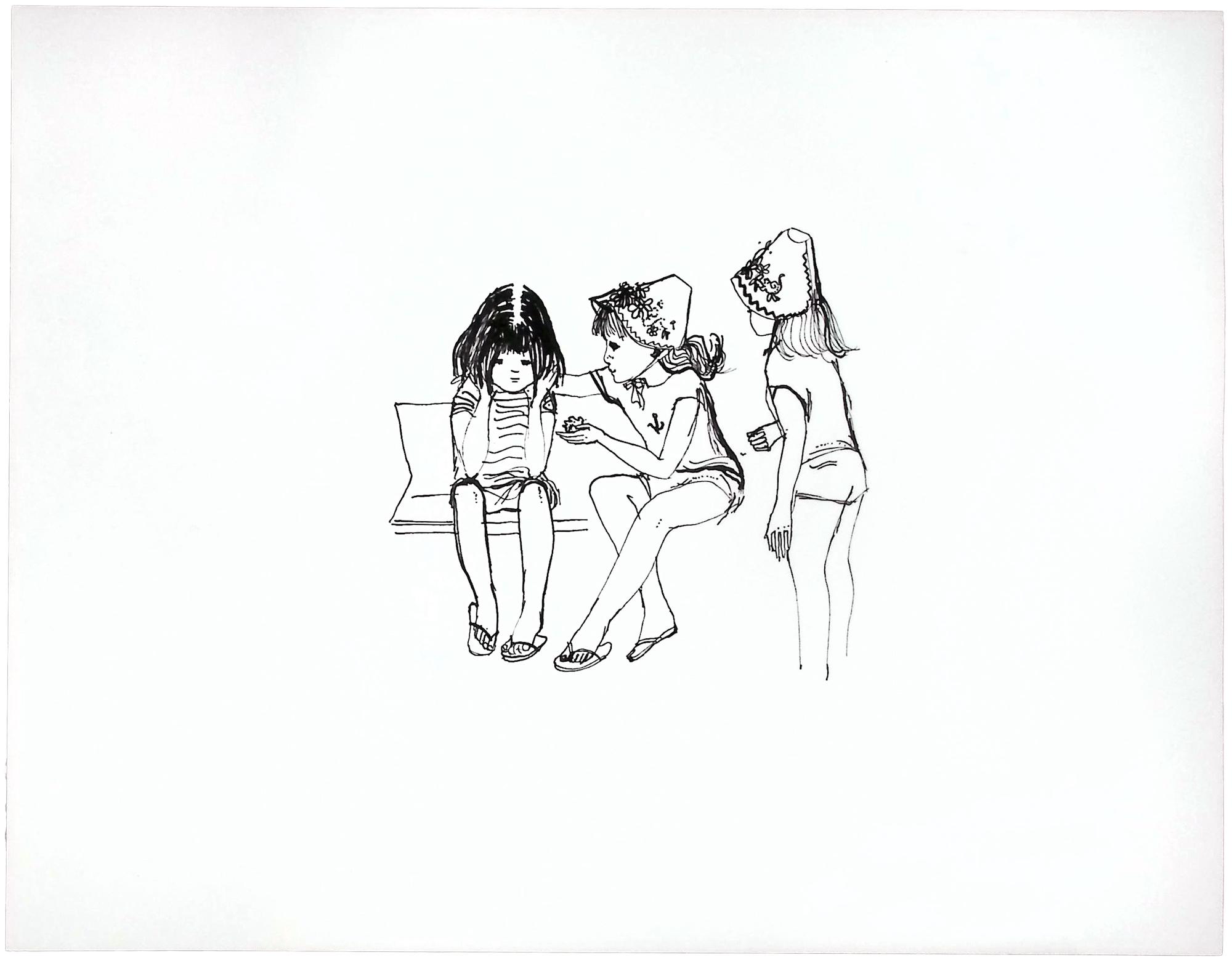
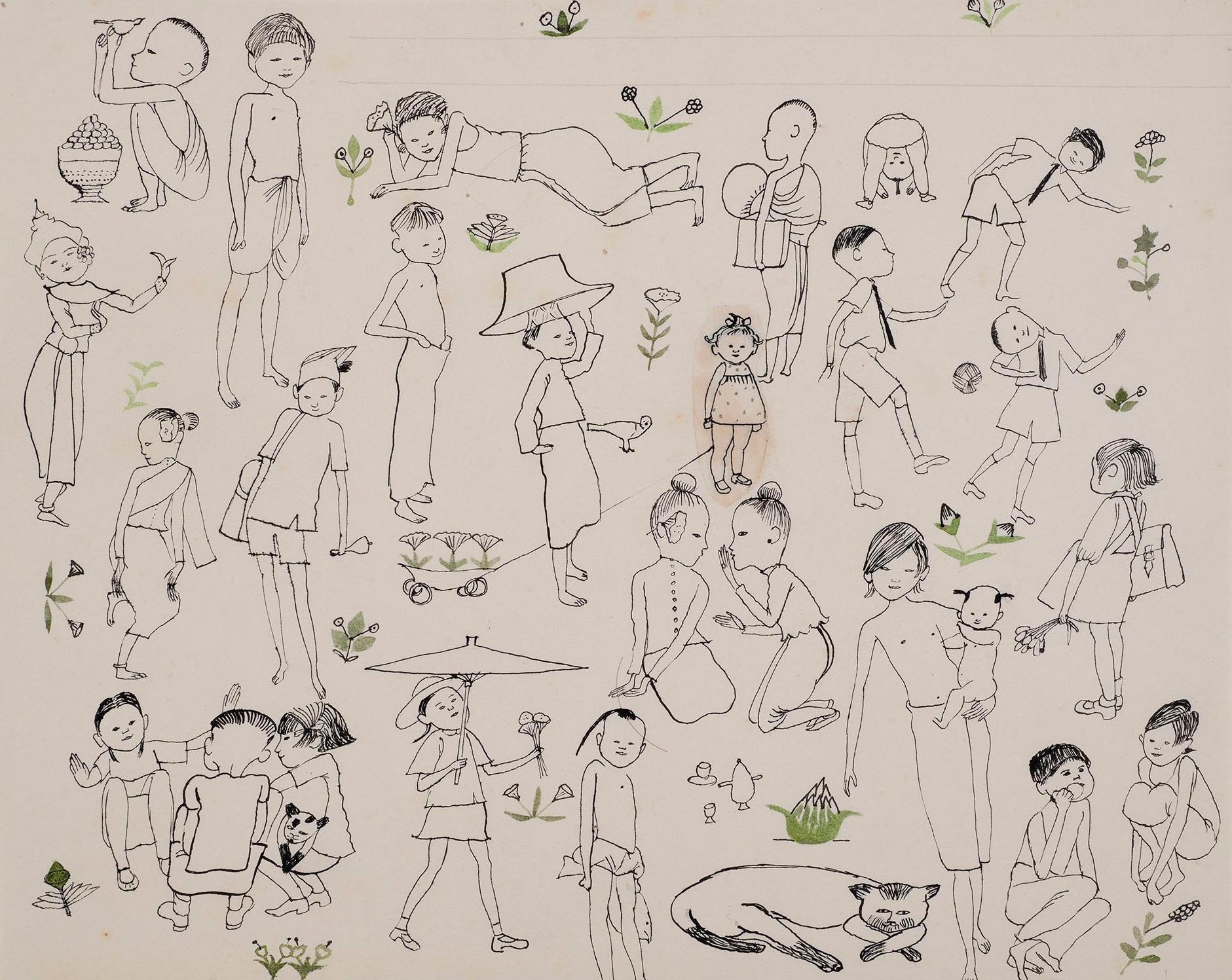
Untitled, c. 1968
British illustrator Janina Ede (1937-2018) created covers and illustrations for over 100 books from the 1950s to the 1980s. In the 1960s, Ede began working on children’s books. The Patchwork Pack (1968) by Freda Collins is about a group of ‘Brownies’ – the name given to members of the worldwide girl-guiding movement.
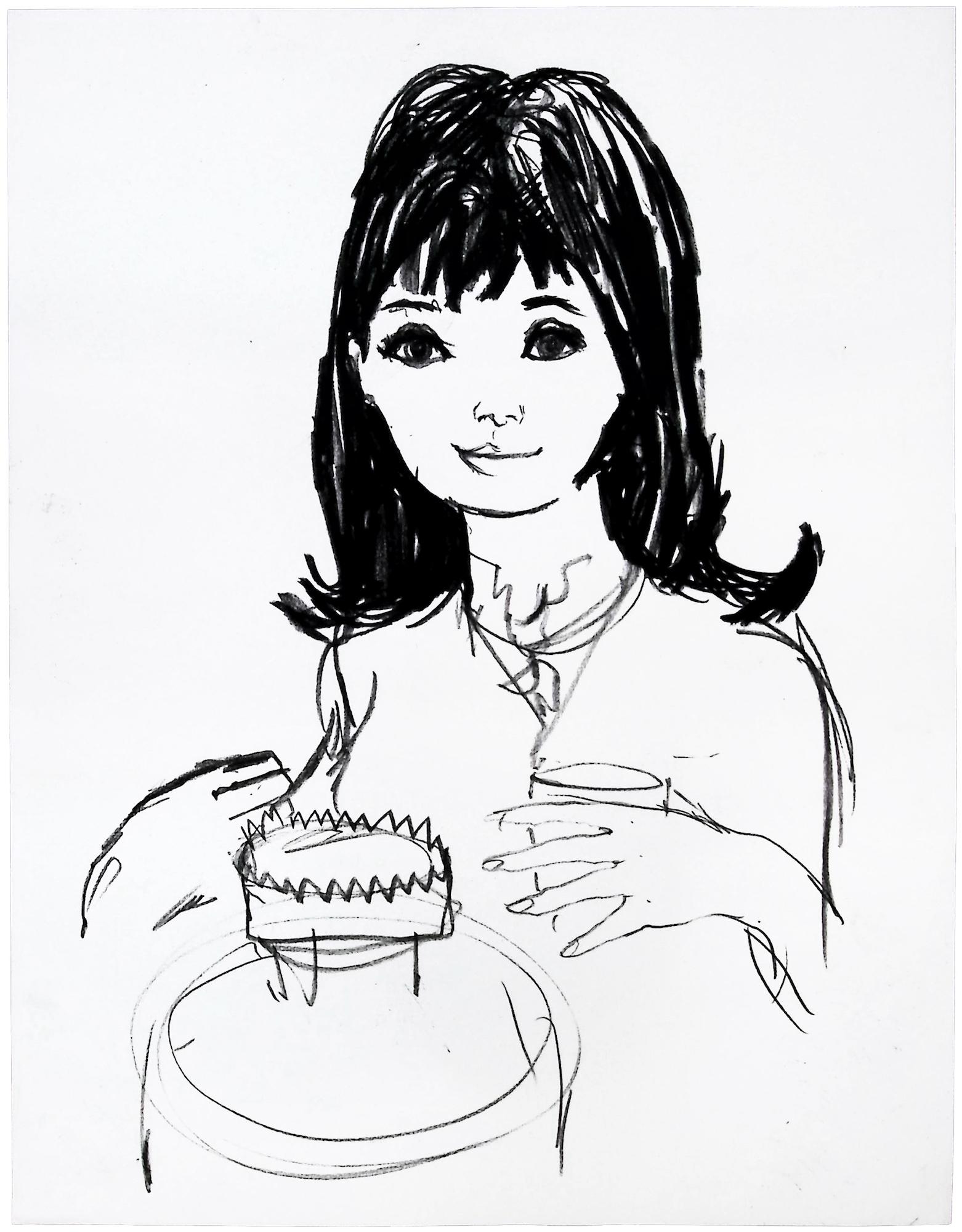
Untitled, Date unknown
British illustrator Janina Ede (1937-2018) created covers and illustrations for over 100 books from the 1950s to the 1980s. Ede often worked using just black ink, combining pen and brushwork to create bold illustrations with fine details.
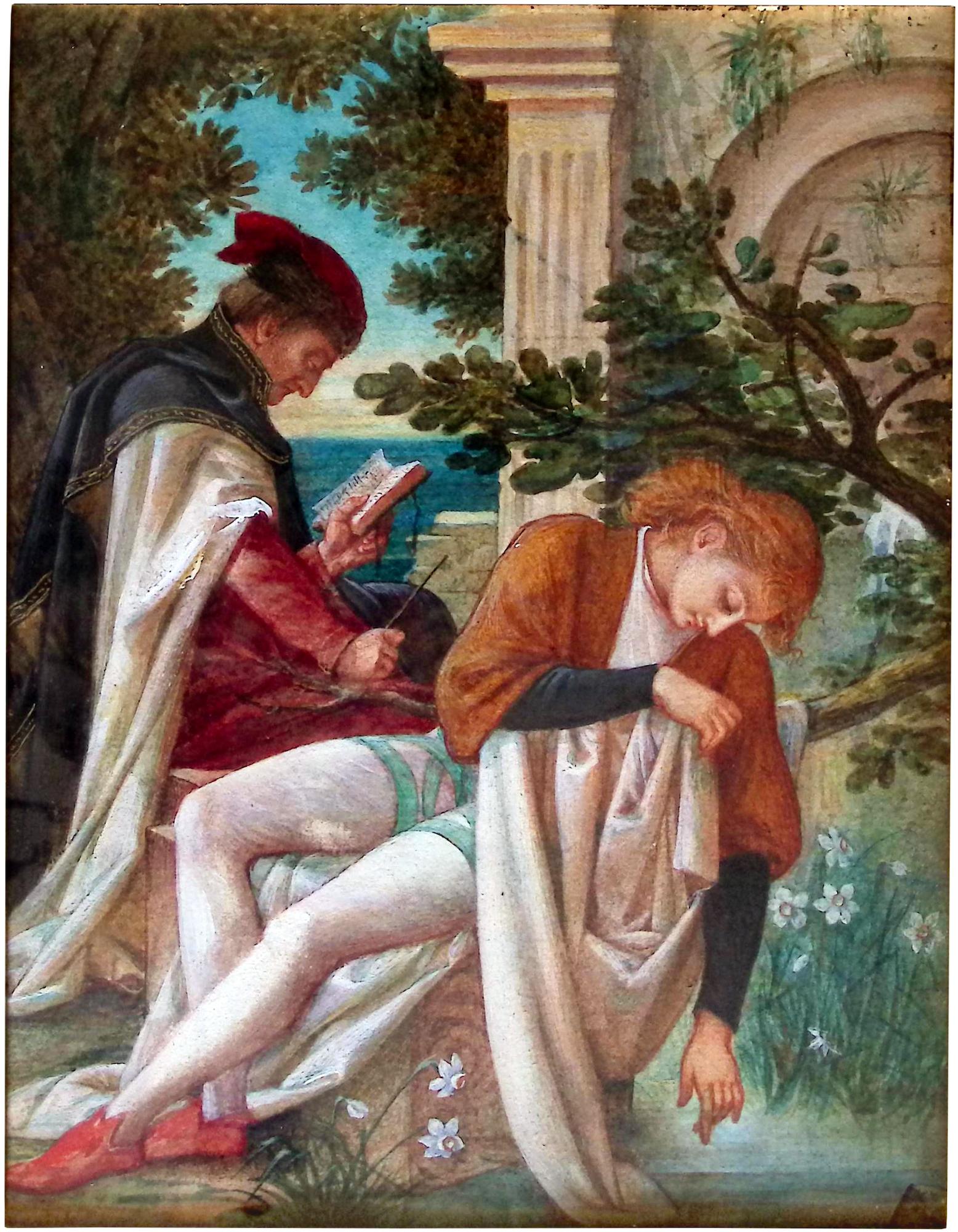
Illustration for Beauty and the Beast (the sisters' husbands), c. 1875
Eleanor Vere Boyle (1825 – 1916) illustrated poetry and prose by some of the most popular authors of her time. She regularly drew and painted using ink and watercolour, sketching landscapes, animals and her children from life. She also made drawings from her imagination, often reflecting spiritual themes. This illustration is from Boyle’s 1875 retelling of Beauty and the Beast, a fairy tale where a woman is imprisoned by a monster and falls in love with him. Unlike other illustrated versions before or since, Boyle gave her beast walrus-like tusks and flippers. In several of her illustrations, Boyle used shell gold – a mixture of finely ground gold powder and gum arabic (tree sap) that would have been stored in a shallow seashell. In the final publication, the caption for this illustration reads, "One sister's husband, like Narcissus of old, worshipped his own beauty. But the other was full of learning."
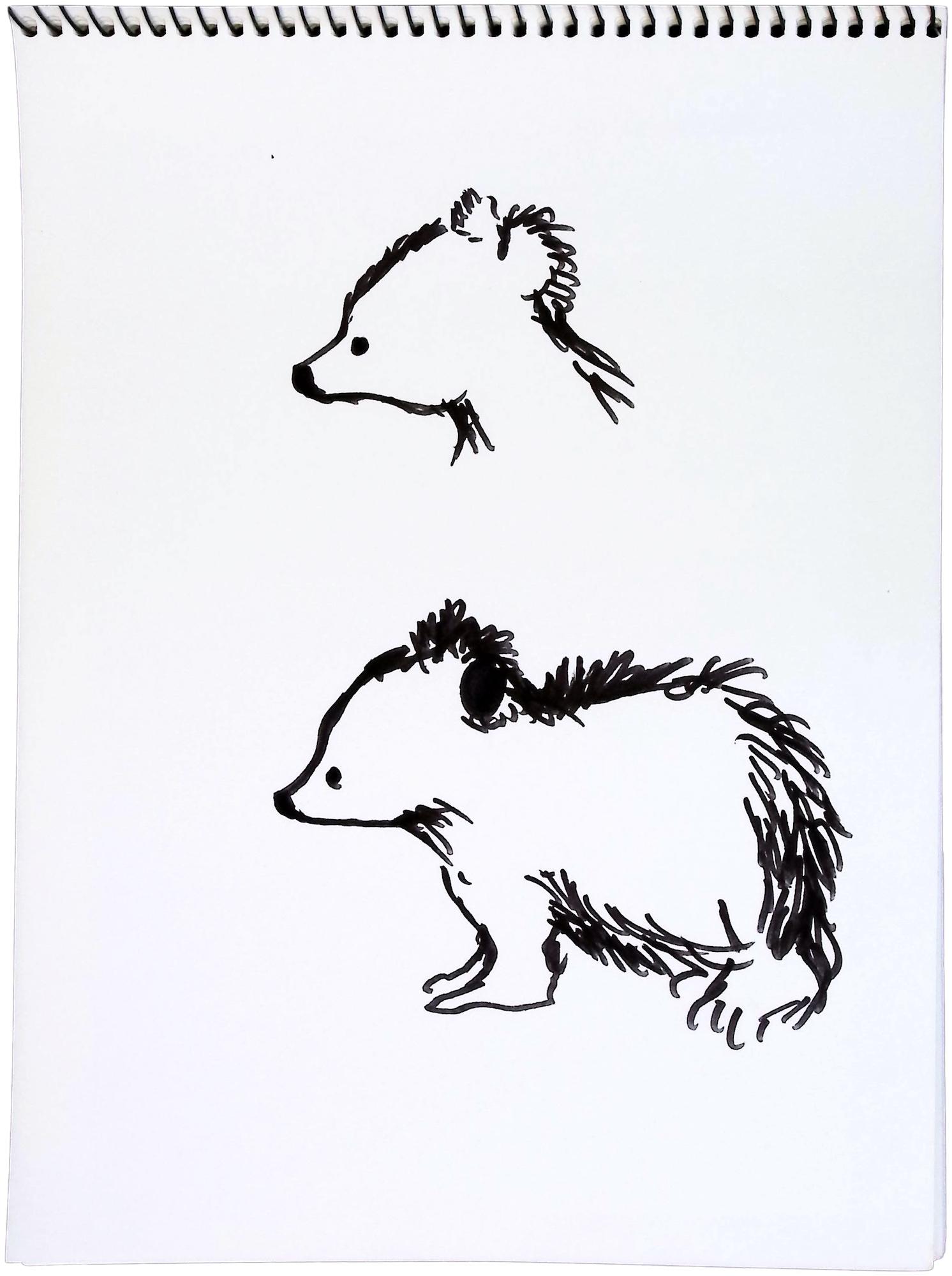
Untitled, Date unknown
British illustrator Janina Ede (1937-2018) created covers and illustrations for over 100 books from the 1950s to the 1980s. Many of her illustrations feature animals, which she drew from life.
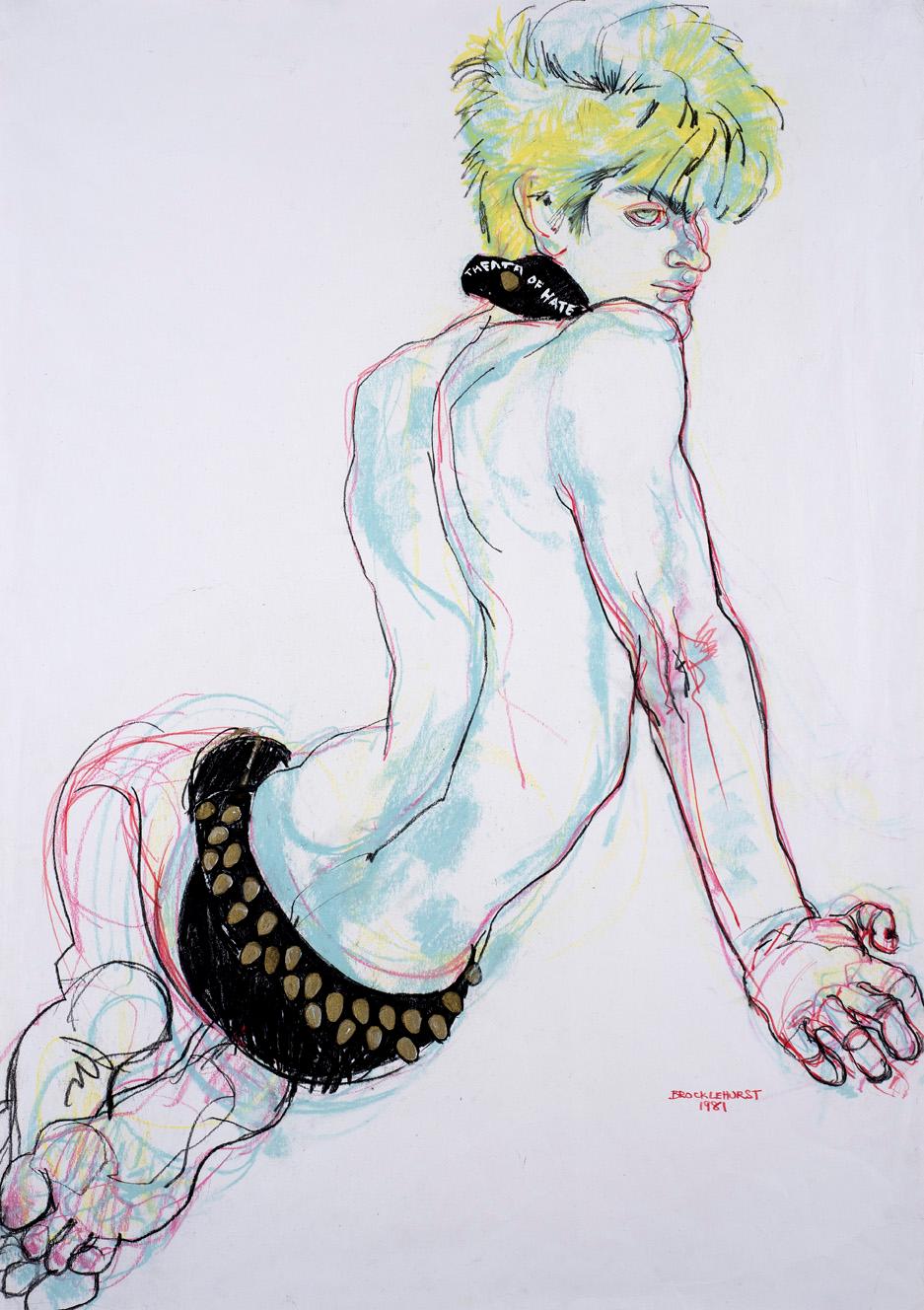
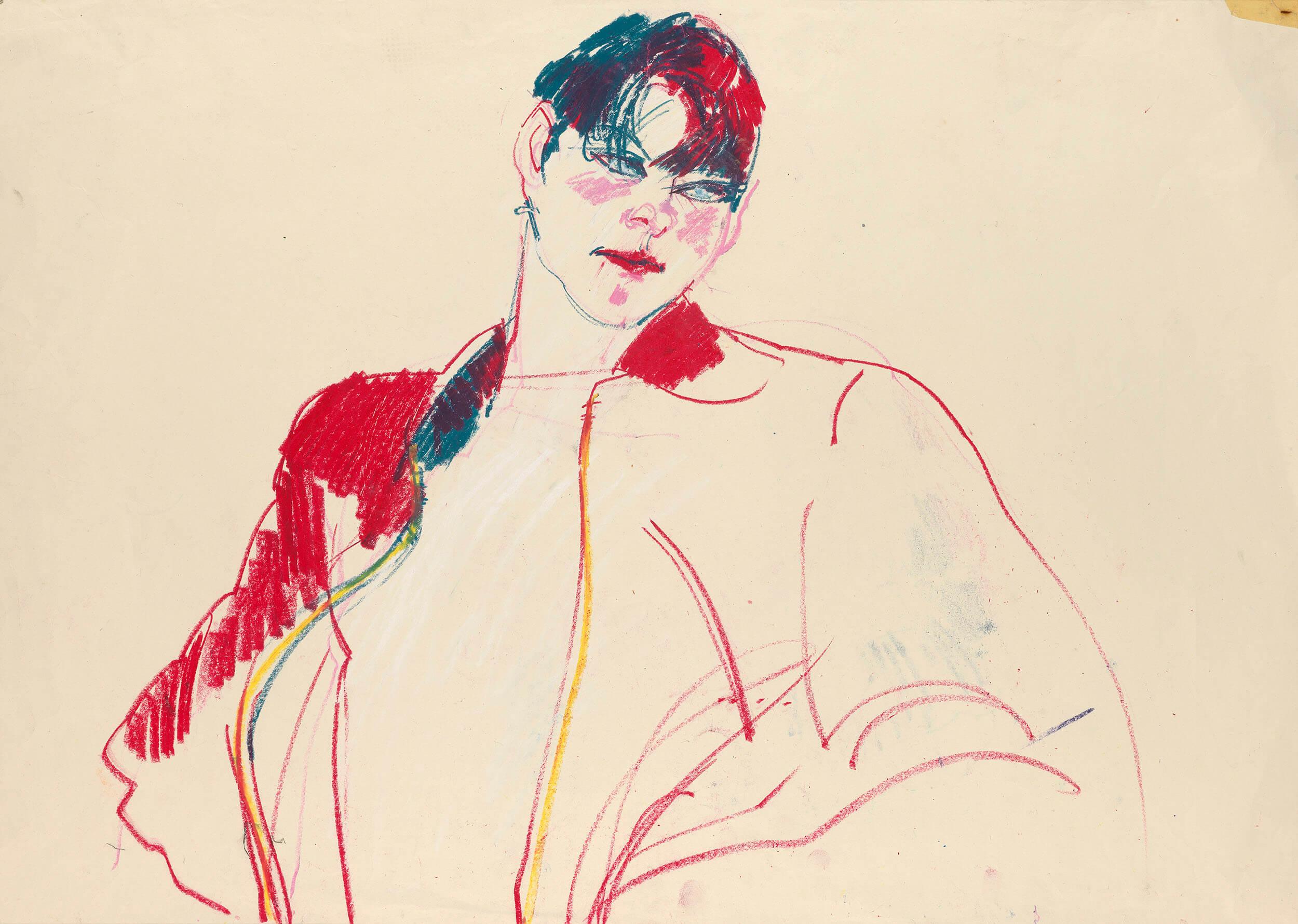
Jo Brocklehurst, Untitled (portrait of Tony Drayton), 1981
Jo (Josephine) Brocklehurst (1935 - 2006) studied at Central Saint Martins and began her career as a fashion illustrator. She later focused on portraiture, drawing directly from models at her studio in West Hampstead and in nightclubs and theatres in Berlin, London and New York. Her work documents the alternative subcultures of the 1970s, 80s and 90s that went on to shape mainstream fashion and performance scenes. In the 1980s, Brocklehurst drew a series portraits of members of the Kill Your Pet Puppy collective who were living in a squat close to her studio. Attracted to their anarcho-punk dress and ethos, she said “I felt that they understood very well what was going on in the world, what was in it for them”. This portrait is of Tony Drayton, founder of Kill Your Pet Puppy and punk fanzine Ripped And Torn.
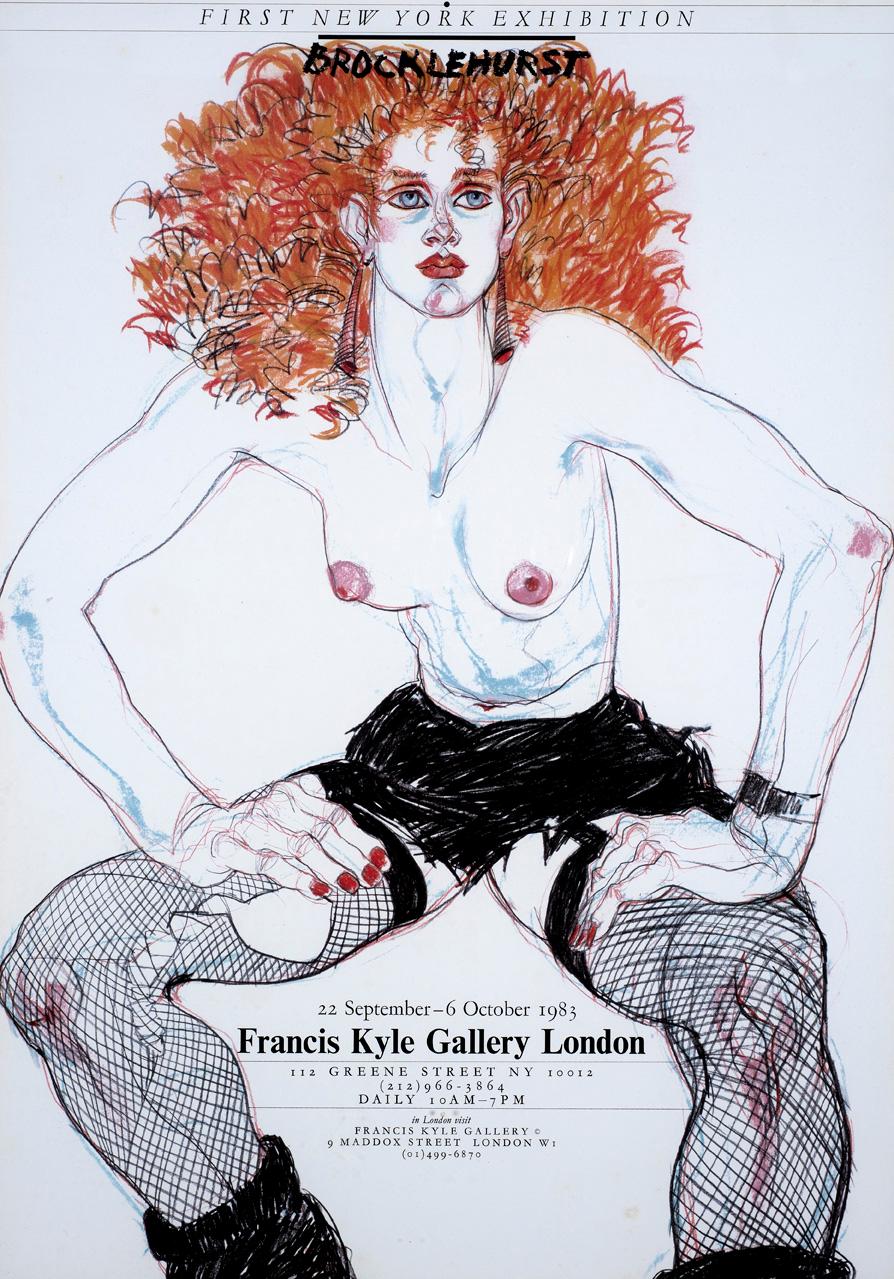
Jo Brocklehurst, Poster for Brocklehurst exhibition at 112 Greene Street, 1983
Jo (Josephine) Brocklehurst (1935 - 2006) studied at Central Saint Martins and began her career as a fashion illustrator. She later focused on portraiture, drawing directly from models at her studio in West Hampstead and in nightclubs and theatres in Berlin, London and New York. Her work documents the alternative subcultures of the 1970s, 80s and 90s that went on to shape mainstream fashion and performance scenes. This poster was produced for Brocklehurst, her first exhibition in New York presented by Francis Kyle Gallery.
Content warning: nudity
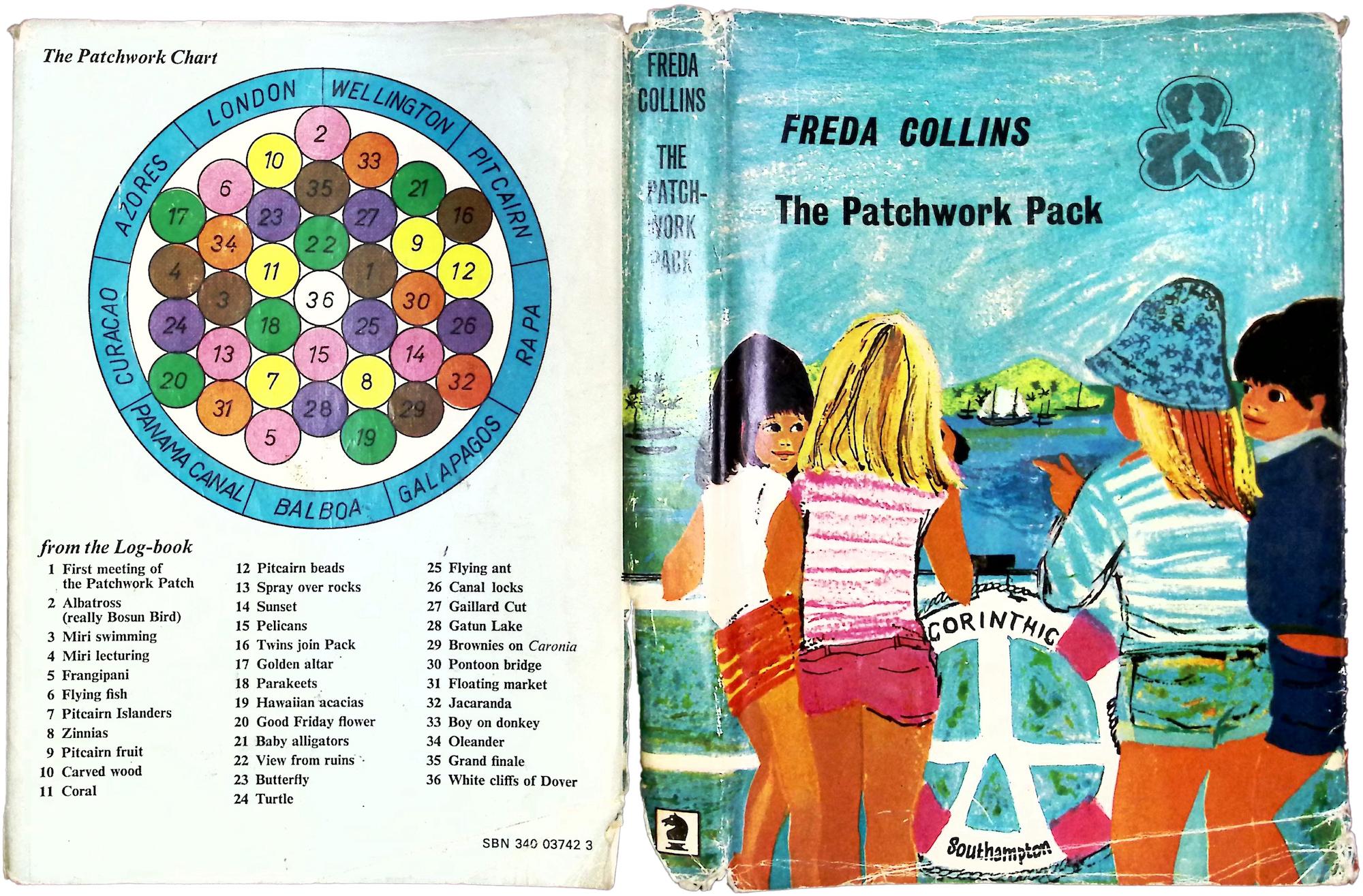
Cover jacket for "The Patchwork Pack", 1968
British illustrator Janina Ede (1937-2018) created covers and illustrations for over 100 books from the 1950s to the 1980s. In the 1960s, Ede began working on children’s books. The Patchwork Pack (1968) by Freda Collins is about a group of ‘Brownies’ – the name given to members of the worldwide girl-guiding movement.

Illustration for 'A Dream Book', 1864-7
Eleanor Vere Boyle (1825 – 1916) illustrated poetry and prose by some of the most popular authors of her time. She regularly drew and painted using ink and watercolour, sketching landscapes, animals and her children from life. She also made drawings from her imagination, often reflecting spiritual themes.
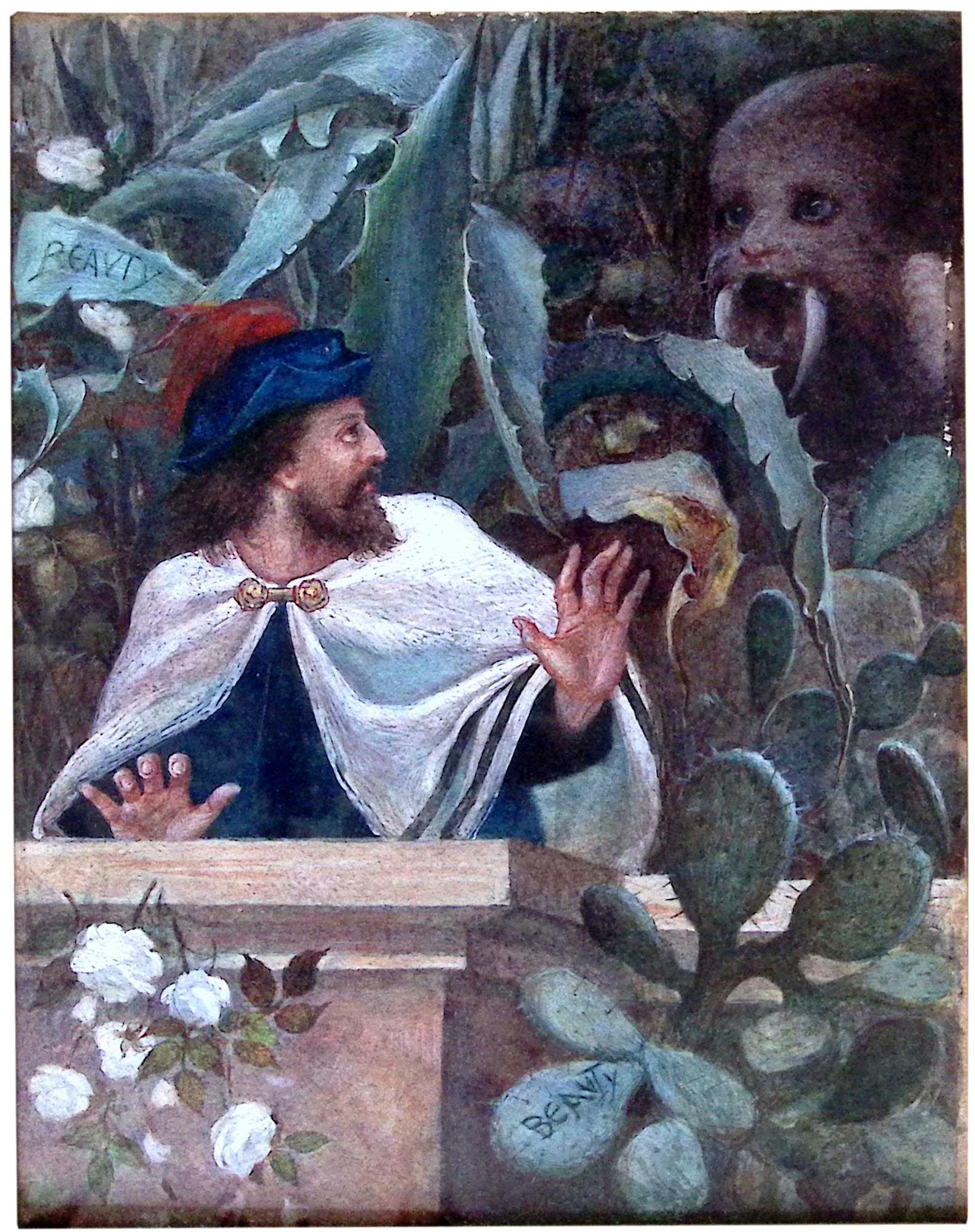
Illustration for Beauty and the Beast (the Merchant and the Beast), c. 1875
Eleanor Vere Boyle (1825 – 1916) illustrated poetry and prose by some of the most popular authors of her time. She regularly drew and painted using ink and watercolour, sketching landscapes, animals and her children from life. She also made drawings from her imagination, often reflecting spiritual themes. This illustration is from Boyle’s 1875 retelling of Beauty and the Beast, a fairy tale where a woman is imprisoned by a monster and falls in love with him. Unlike other illustrated versions before or since, Boyle gave her beast walrus-like tusks and flippers. In several of her illustrations, Boyle used shell gold – a mixture of finely ground gold powder and gum arabic (tree sap) that would have been stored in a shallow seashell. In the final publication, the caption for this illustration reads, "Upon the strange prickly leaves, some one had curiously carved Beauty's name ......... The Beast came near, and the roses fell from his grasp."
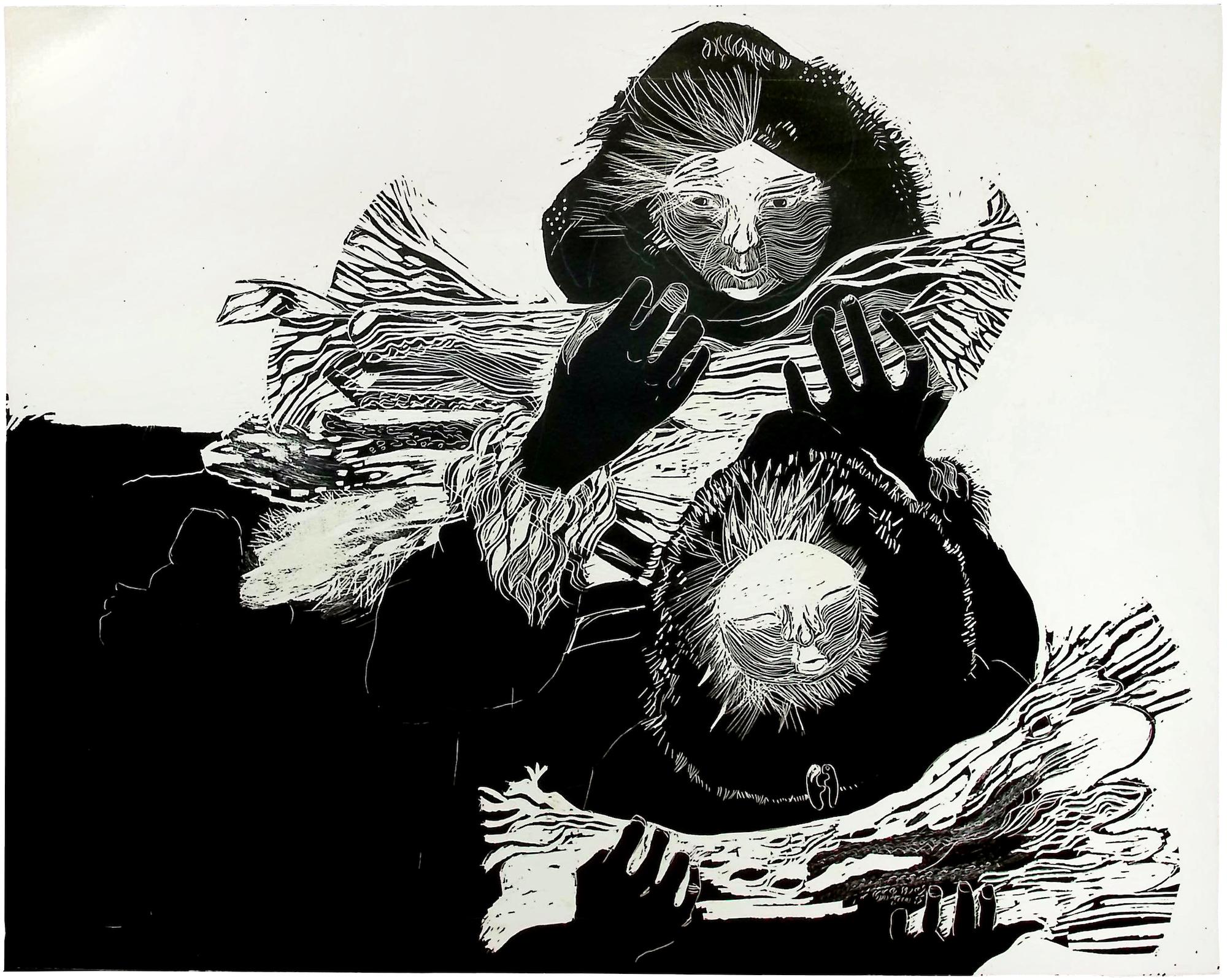
Untitled, c. 1977
British illustrator Janina Ede (1937-2018) created covers and illustrations for over 100 books from the 1950s to the 1980s. Her illustrations for Einar and the Seal (1977) used scraperboard, a material used to create a form of engraving. A board coated with a layer of dark ink is scraped to reveal a white or coloured area underneath.
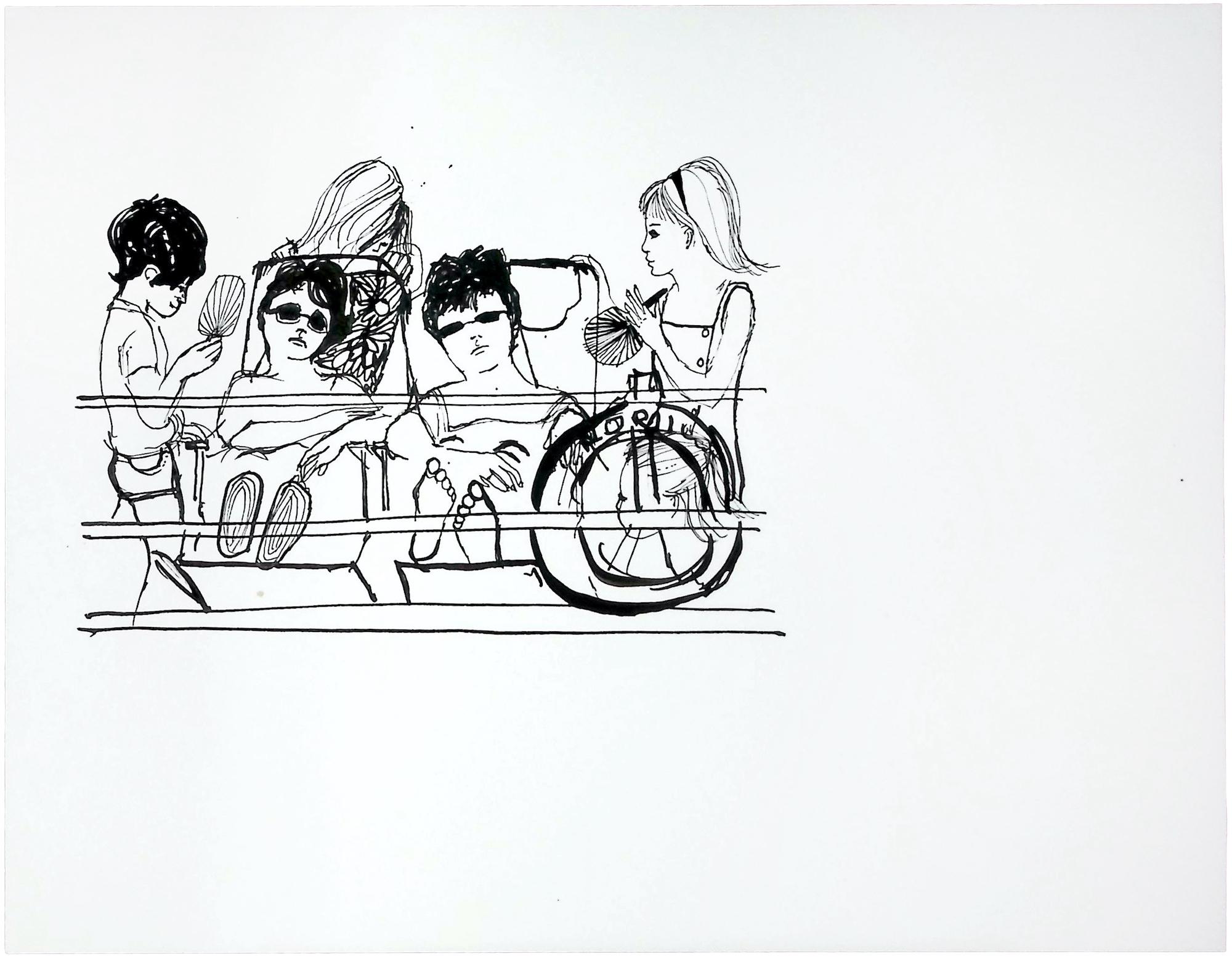
Untitled, c. 1968
British illustrator Janina Ede (1937-2018) created covers and illustrations for over 100 books from the 1950s to the 1980s. In the 1960s, Ede began working on children’s books. The Patchwork Pack (1968) by Freda Collins is about a group of ‘Brownies’ – the name given to members of the worldwide girl-guiding movement.
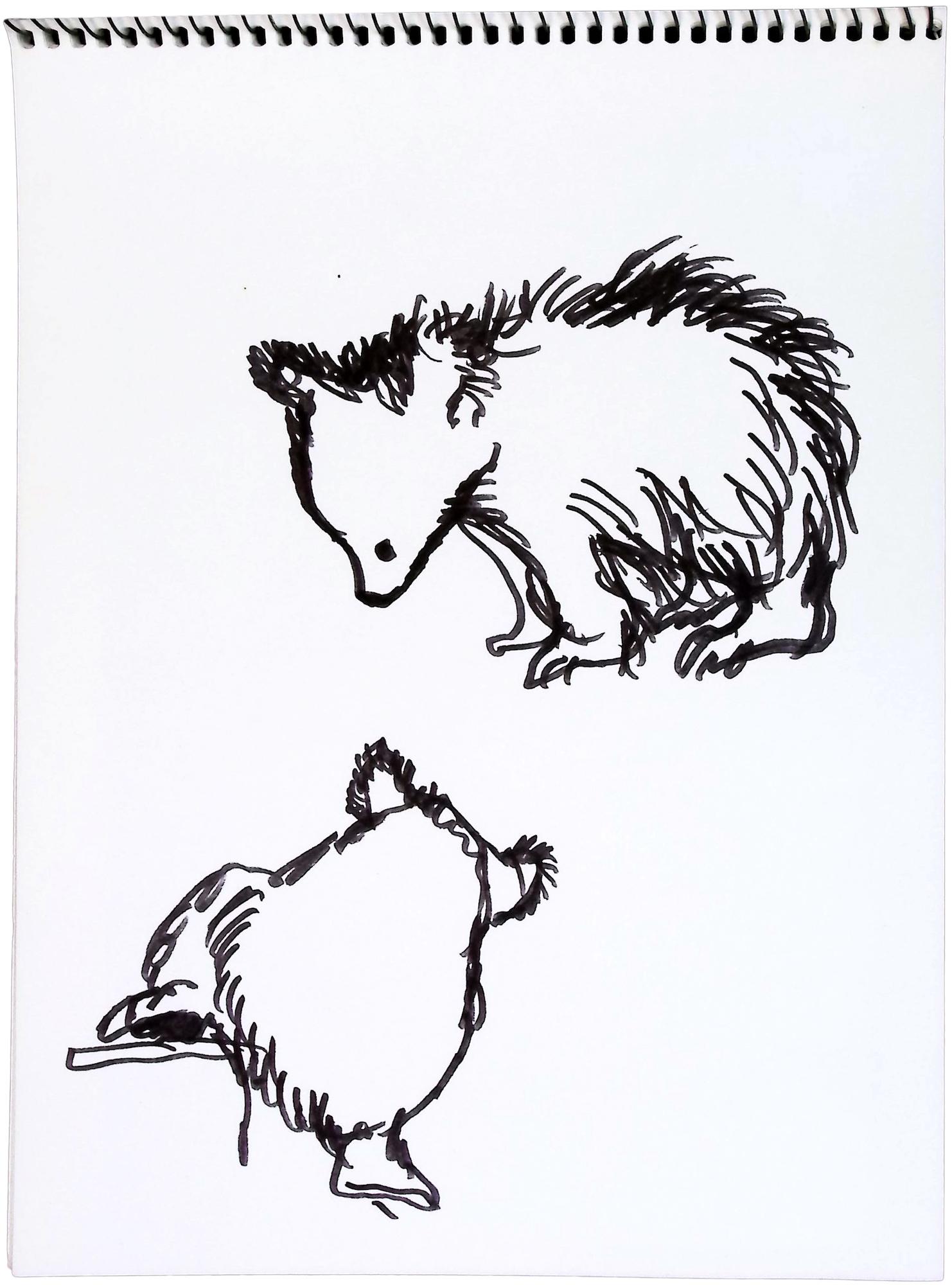
Untitled, Date unknown
British illustrator Janina Ede (1937-2018) created covers and illustrations for over 100 books from the 1950s to the 1980s. Many of her illustrations feature animals, which she drew from life.
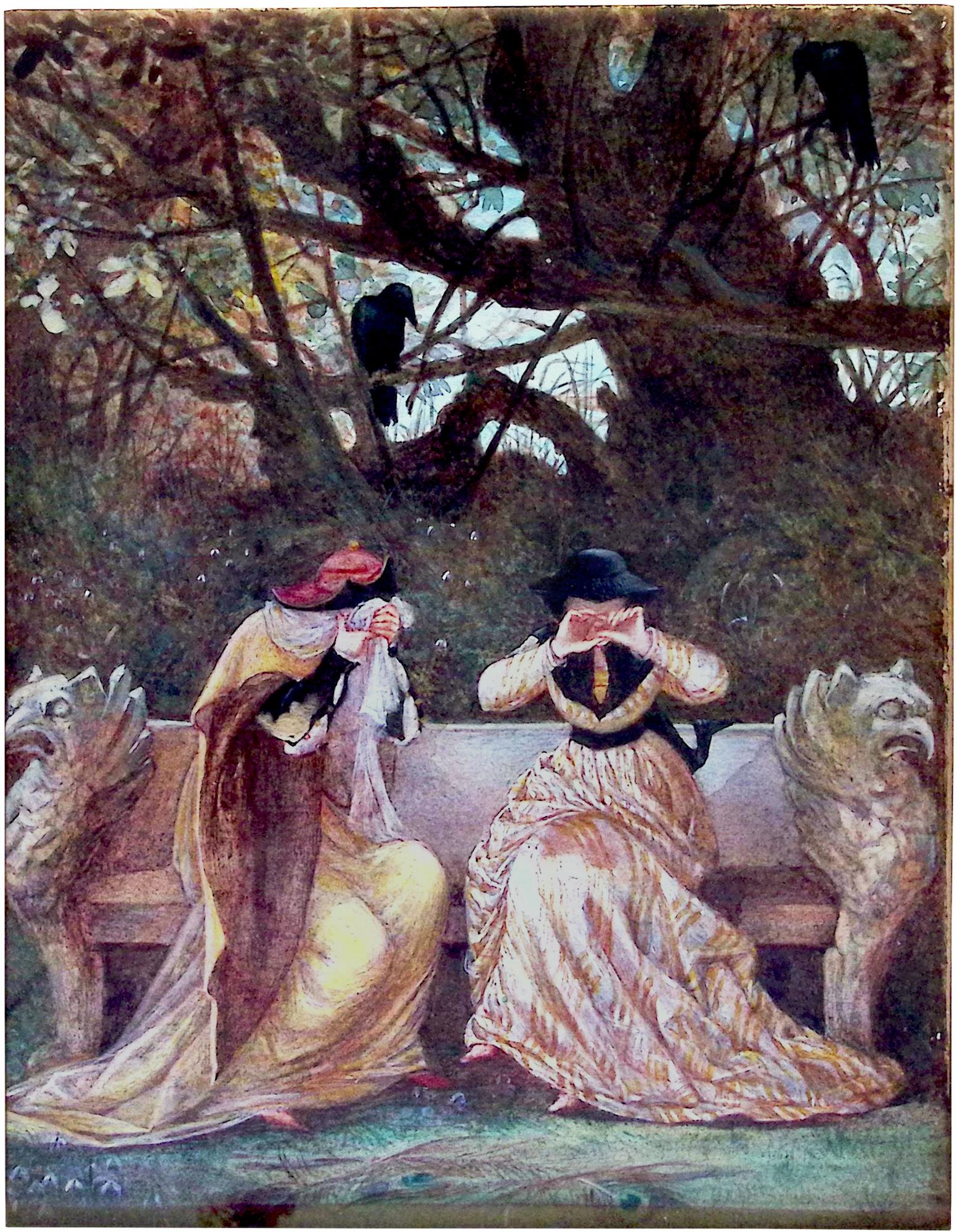
Illustration for Beauty and the Beast (two sisters weeping), c. 1875
Eleanor Vere Boyle (1825 – 1916) illustrated poetry and prose by some of the most popular authors of her time. She regularly drew and painted using ink and watercolour, sketching landscapes, animals and her children from life. She also made drawings from her imagination, often reflecting spiritual themes. This illustration is from Boyle’s 1875 retelling of Beauty and the Beast, a fairy tale where a woman is imprisoned by a monster and falls in love with him. Unlike other illustrated versions before or since, Boyle gave her beast walrus-like tusks and flippers. In several of her illustrations, Boyle used shell gold – a mixture of finely ground gold powder and gum arabic (tree sap) that would have been stored in a shallow seashell. In the final publication, the caption for this illustration reads, "Only the Raven in the brake, saw the sisters weep for rage, and heard them plot her death."
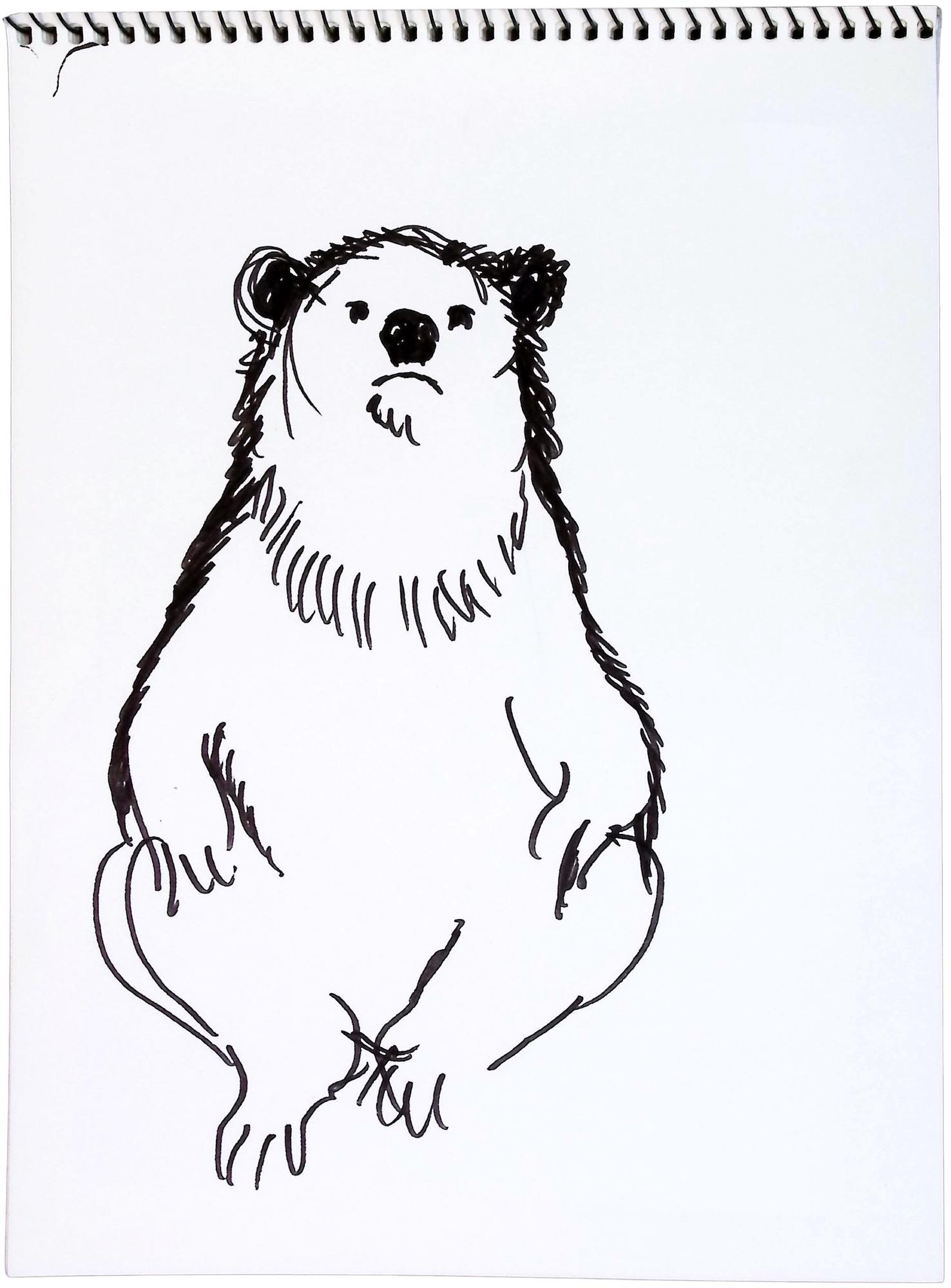
Untitled, Date unknown
British illustrator Janina Ede (1937-2018) created covers and illustrations for over 100 books from the 1950s to the 1980s. Many of her illustrations feature animals, which she drew from life.

Illustration for 'A Dream Book', 1864
Eleanor Vere Boyle (1825 – 1916) illustrated poetry and prose by some of the most popular authors of her time. She regularly drew and painted using ink and watercolour, sketching landscapes, animals and her children from life. She also made drawings from her imagination, often reflecting spiritual themes.
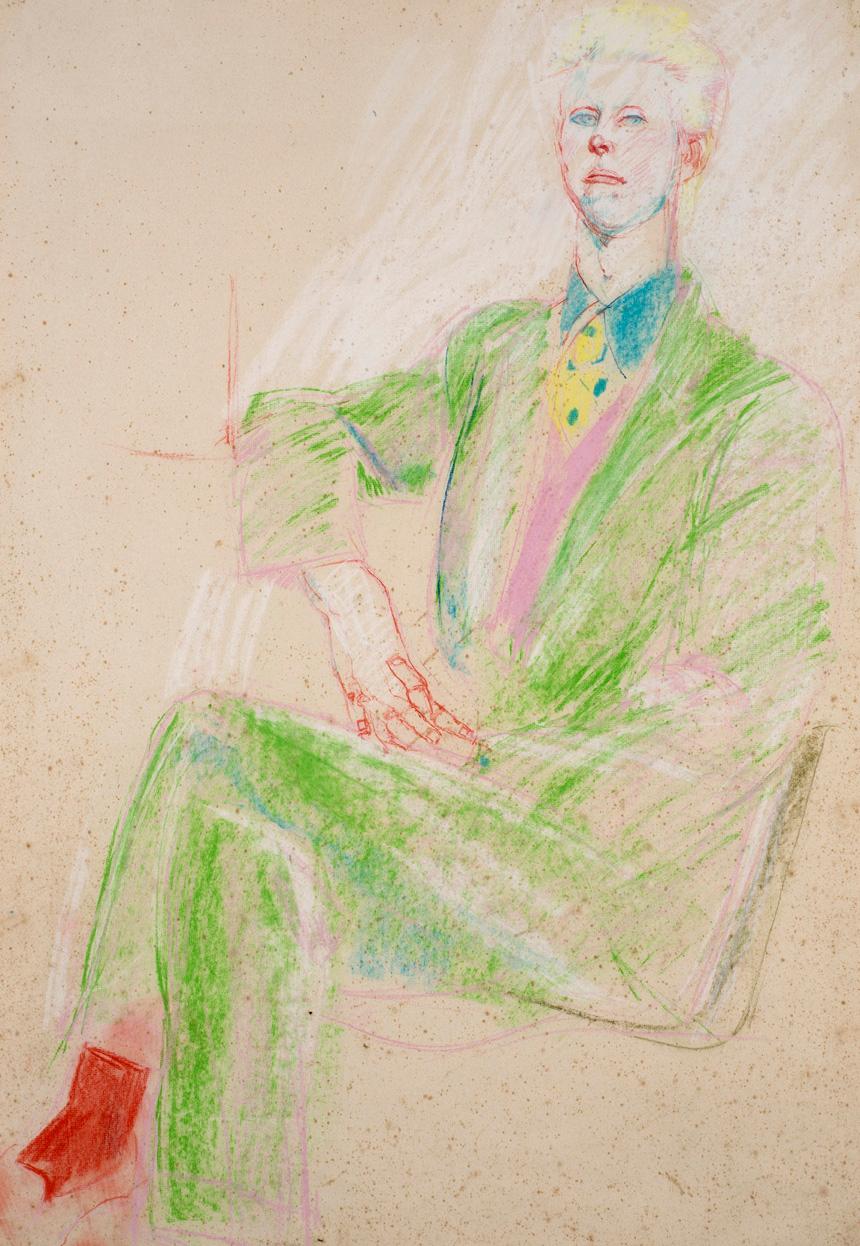
Jo Brocklehurst, Man in a Green Suit (portrait of James ‘Biddie’ Biddlecombe), 1979
Jo (Josephine) Brocklehurst (1935 - 2006) studied at Central Saint Martins and began her career as a fashion illustrator. She later focused on portraiture, drawing directly from models at her studio in West Hampstead and in nightclubs and theatres in Berlin, London and New York. Her work documents the alternative subcultures of the 1970s, 80s and 90s that went on to shape mainstream fashion and performance scenes. Man in a Green Suit is a portrait of performer James ‘Biddie’ Biddlecombe around the time he was performing cabaret at London’s Blitz Club with Eve Ferret. In 1980 it was shown in the ICA exhibition Women’s Images of Men.
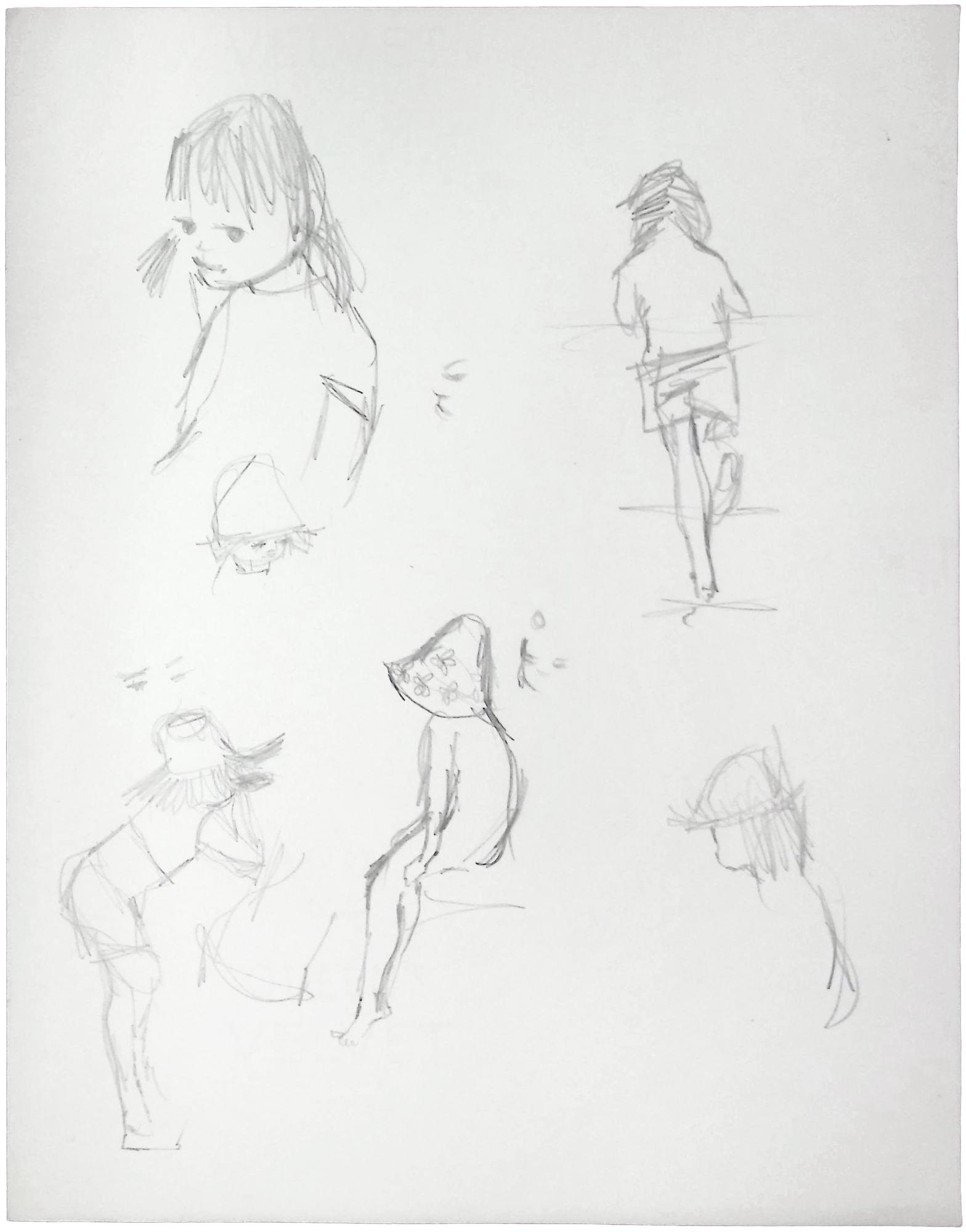
Untitled, c. 1968
British illustrator Janina Ede (1937-2018) created covers and illustrations for over 100 books from the 1950s to the 1980s. In the 1960s, Ede began working on children’s books. The Patchwork Pack (1968) by Freda Collins is about a group of ‘Brownies’ – the name given to members of the worldwide girl-guiding movement.
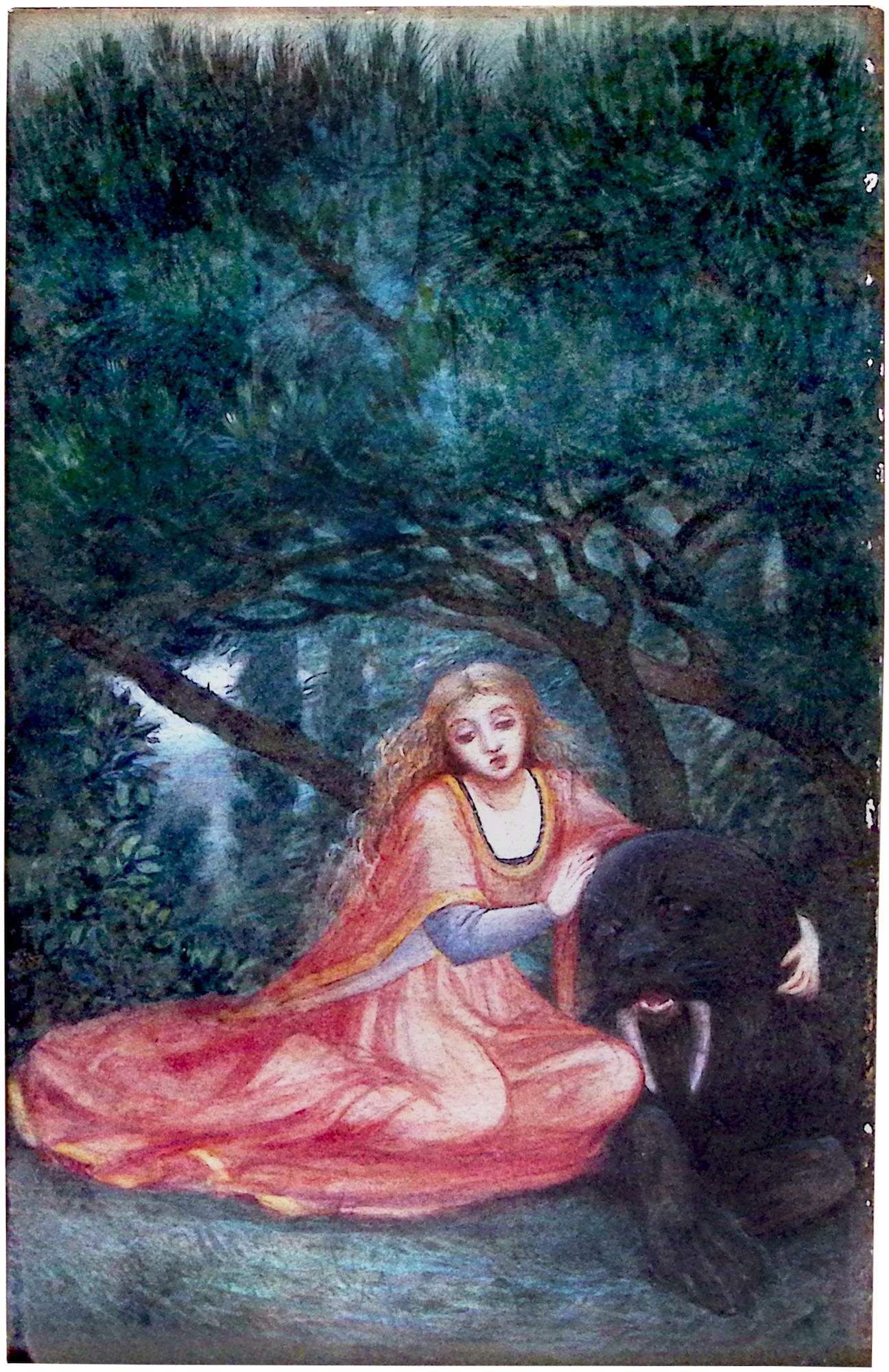
Illustration for Beauty and the Beast (Beauty embracing the dying Beast), c. 1875
Eleanor Vere Boyle (1825 – 1916) illustrated poetry and prose by some of the most popular authors of her time. She regularly drew and painted using ink and watercolour, sketching landscapes, animals and her children from life. She also made drawings from her imagination, often reflecting spiritual themes. This illustration is from Boyle’s 1875 retelling of Beauty and the Beast, a fairy tale where a woman is imprisoned by a monster and falls in love with him. Unlike other illustrated versions before or since, Boyle gave her beast walrus-like tusks and flippers. In several of her illustrations, Boyle used shell gold – a mixture of finely ground gold powder and gum arabic (tree sap) that would have been stored in a shallow seashell. In the final publication, the caption for this illustration reads, "Ah dear Beast, she said: Alas that my unkindness should thus slay thee."
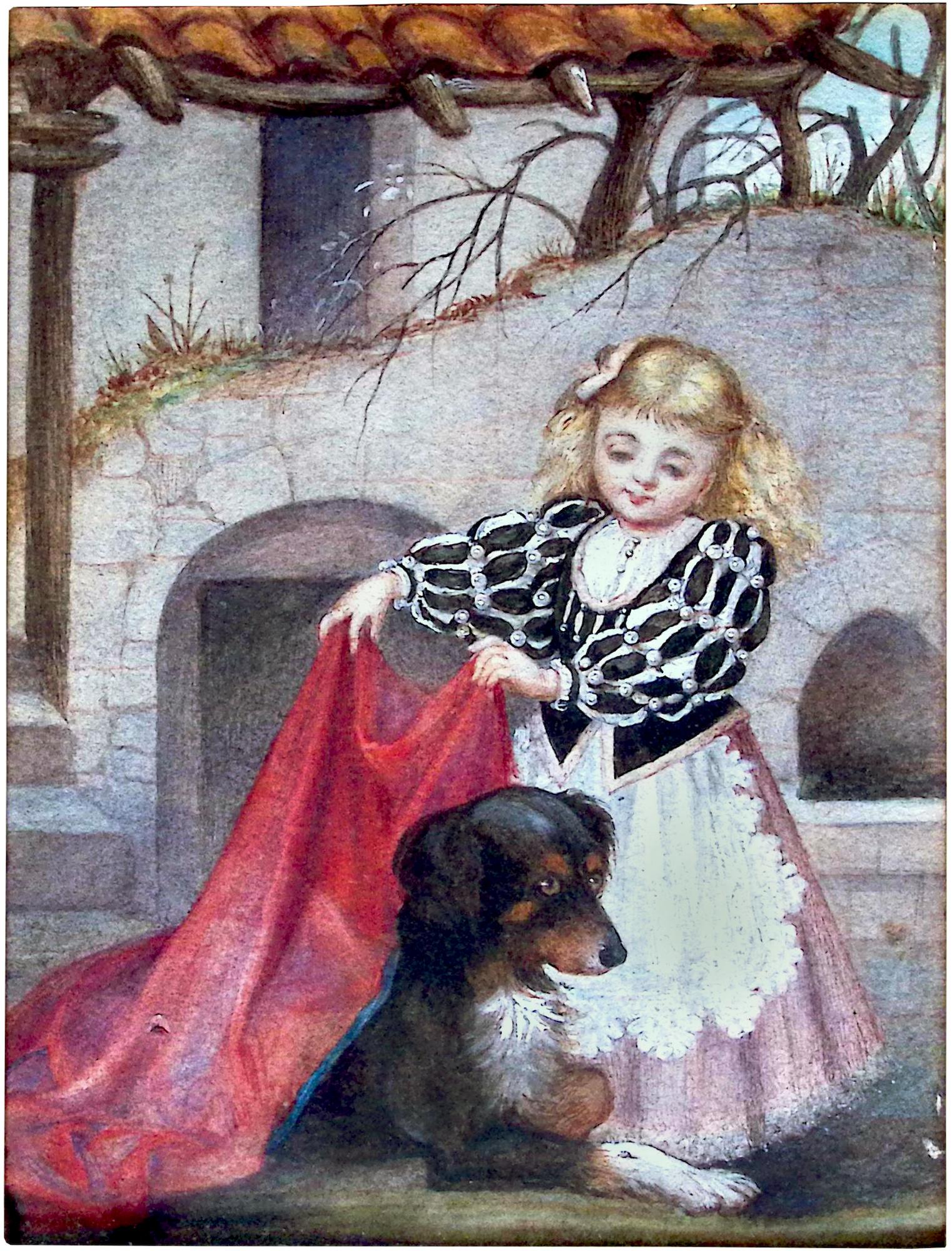
Illustration for Beauty and the Beast (Beauty with the watch dog), c. 1875
Eleanor Vere Boyle (1825 – 1916) illustrated poetry and prose by some of the most popular authors of her time. She regularly drew and painted using ink and watercolour, sketching landscapes, animals and her children from life. She also made drawings from her imagination, often reflecting spiritual themes. This illustration is from Boyle’s 1875 retelling of Beauty and the Beast, a fairy tale where a woman is imprisoned by a monster and falls in love with him. Unlike other illustrated versions before or since, Boyle gave her beast walrus-like tusks and flippers. In several of her illustrations, Boyle used shell gold – a mixture of finely ground gold powder and gum arabic (tree sap) that would have been stored in a shallow seashell. In the final publication, the caption for this illustration reads, "One cold March day, the little maid ran down to the outer court, with her new scarlet cloak, to wrap her friend the old watch dog in!"
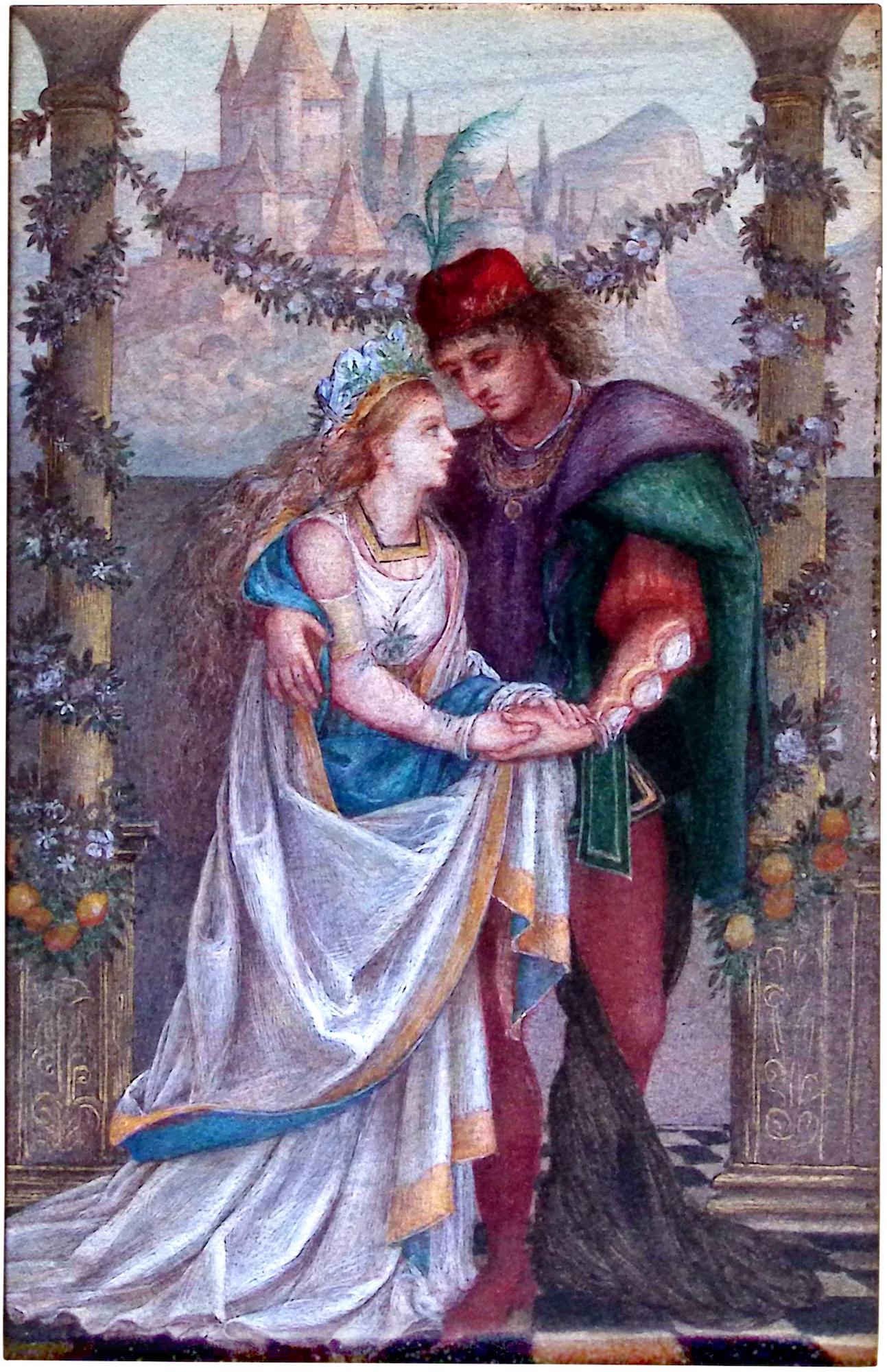
Illustration for Beauty and the Beast (the wedding), c. 1875
Eleanor Vere Boyle (1825 – 1916) illustrated poetry and prose by some of the most popular authors of her time. She regularly drew and painted using ink and watercolour, sketching landscapes, animals and her children from life. She also made drawings from her imagination, often reflecting spiritual themes. This illustration is from Boyle’s 1875 retelling of Beauty and the Beast, a fairy tale where a woman is imprisoned by a monster and falls in love with him. Unlike other illustrated versions before or since, Boyle gave her beast walrus-like tusks and flippers. In several of her illustrations, Boyle used shell gold – a mixture of finely ground gold powder and gum arabic (tree sap) that would have been stored in a shallow seashell. In the final publication, the caption for this illustration reads, "Love is the magic, that makes all things fair."
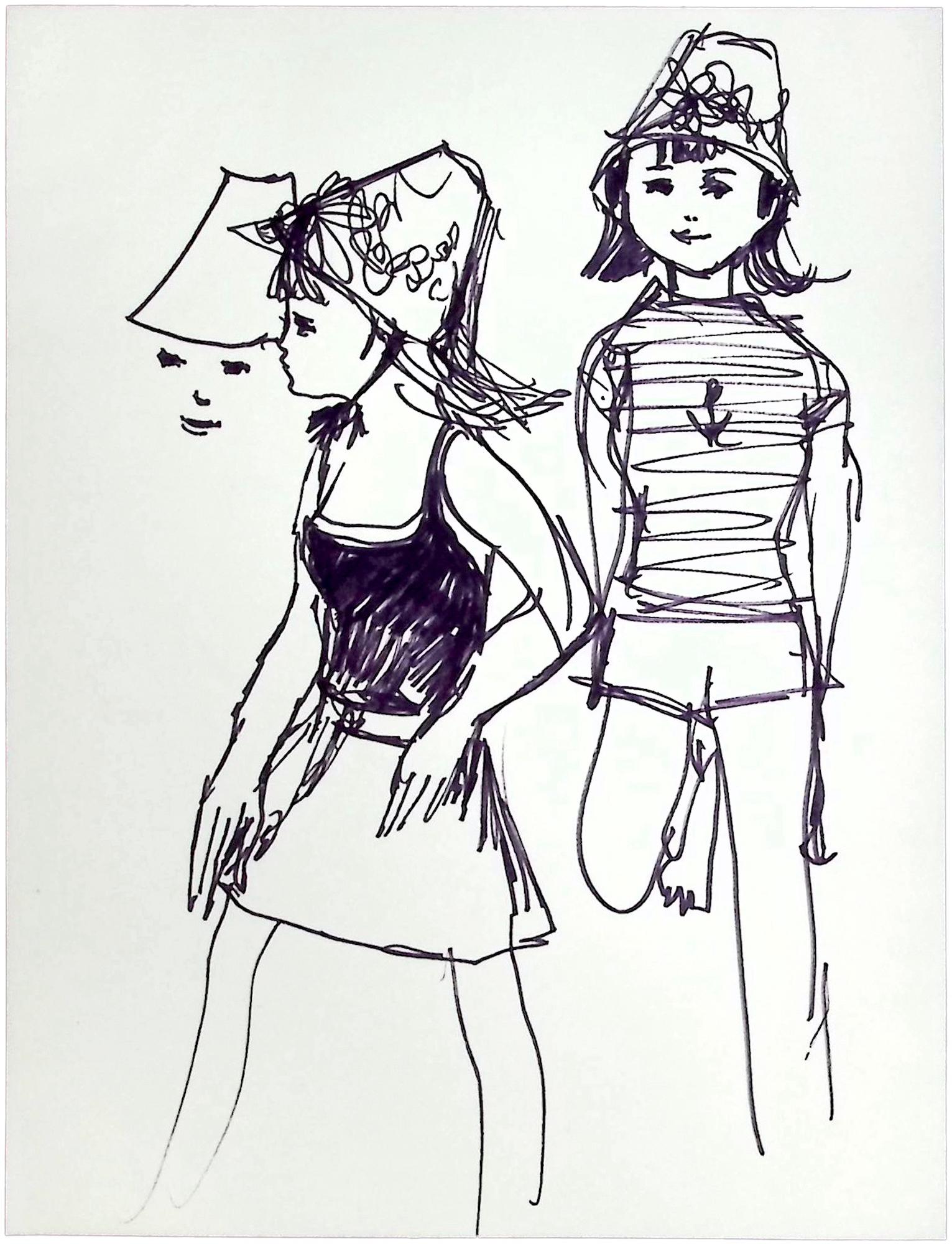
Untitled, c. 1968
British illustrator Janina Ede (1937-2018) created covers and illustrations for over 100 books from the 1950s to the 1980s. In the 1960s, Ede began working on children’s books. The Patchwork Pack (1968) by Freda Collins is about a group of ‘Brownies’ – the name given to members of the worldwide girl-guiding movement.
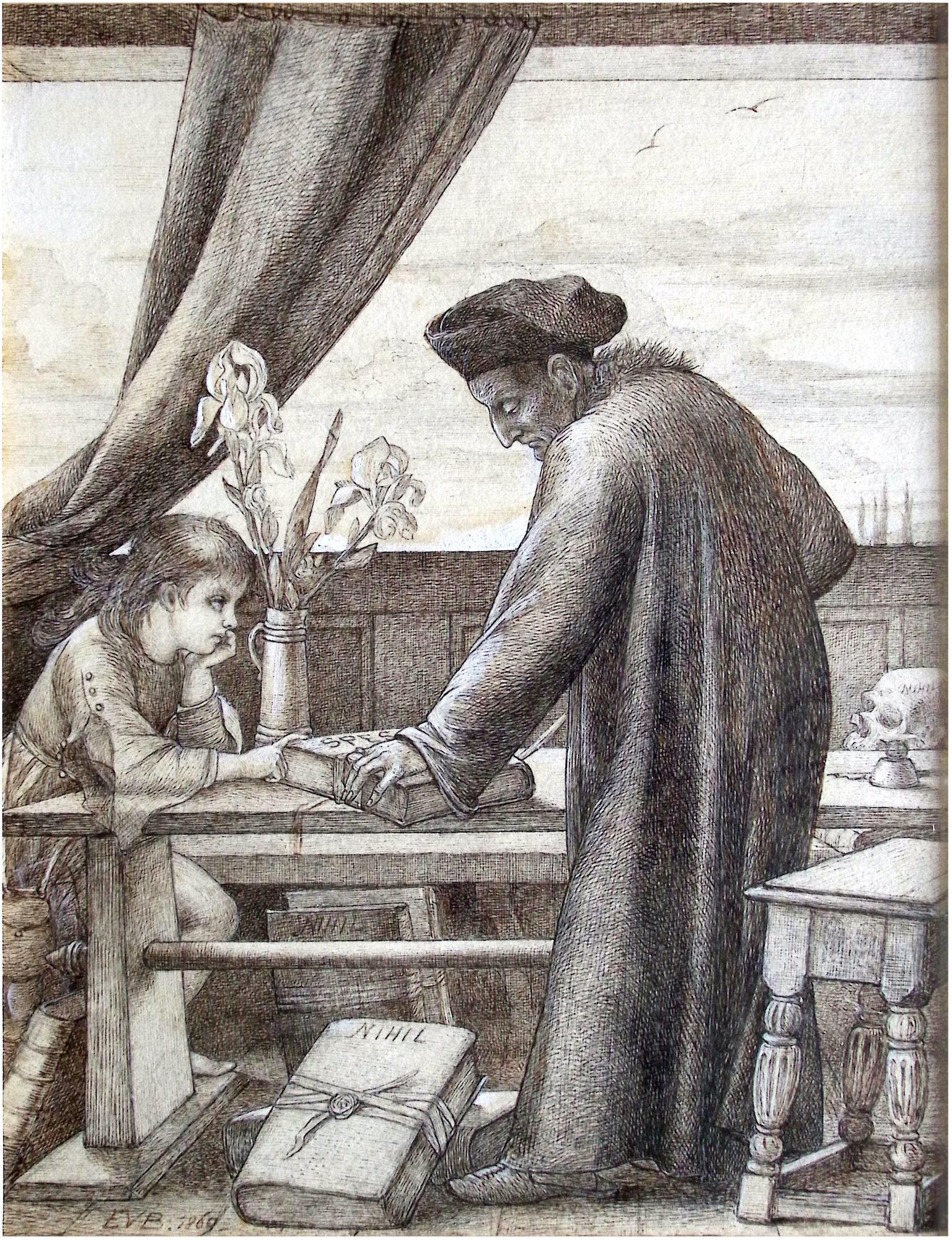
Illustration for 'A Dream Book', 1869
Eleanor Vere Boyle (1825 – 1916) illustrated poetry and prose by some of the most popular authors of her time. She regularly drew and painted using ink and watercolour, sketching landscapes, animals and her children from life. She also made drawings from her imagination, often reflecting spiritual themes.
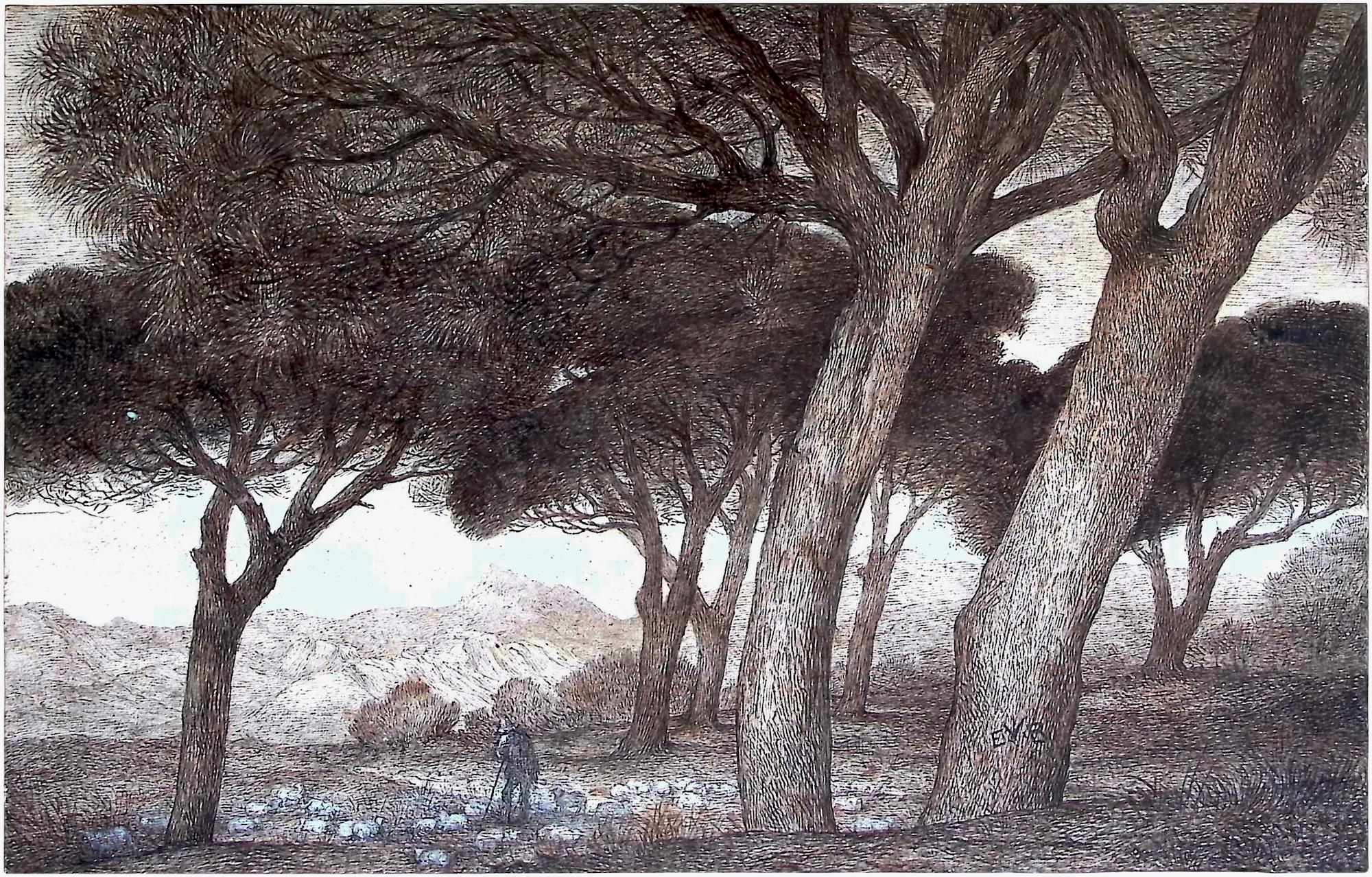
Untitled (drawing of south of France), Date unknown
Eleanor Vere Boyle (1825 – 1916) illustrated poetry and prose by some of the most popular authors of her time. She regularly drew and painted using ink and watercolour, sketching landscapes, animals and her children from life. She also made drawings from her imagination, often reflecting spiritual themes.
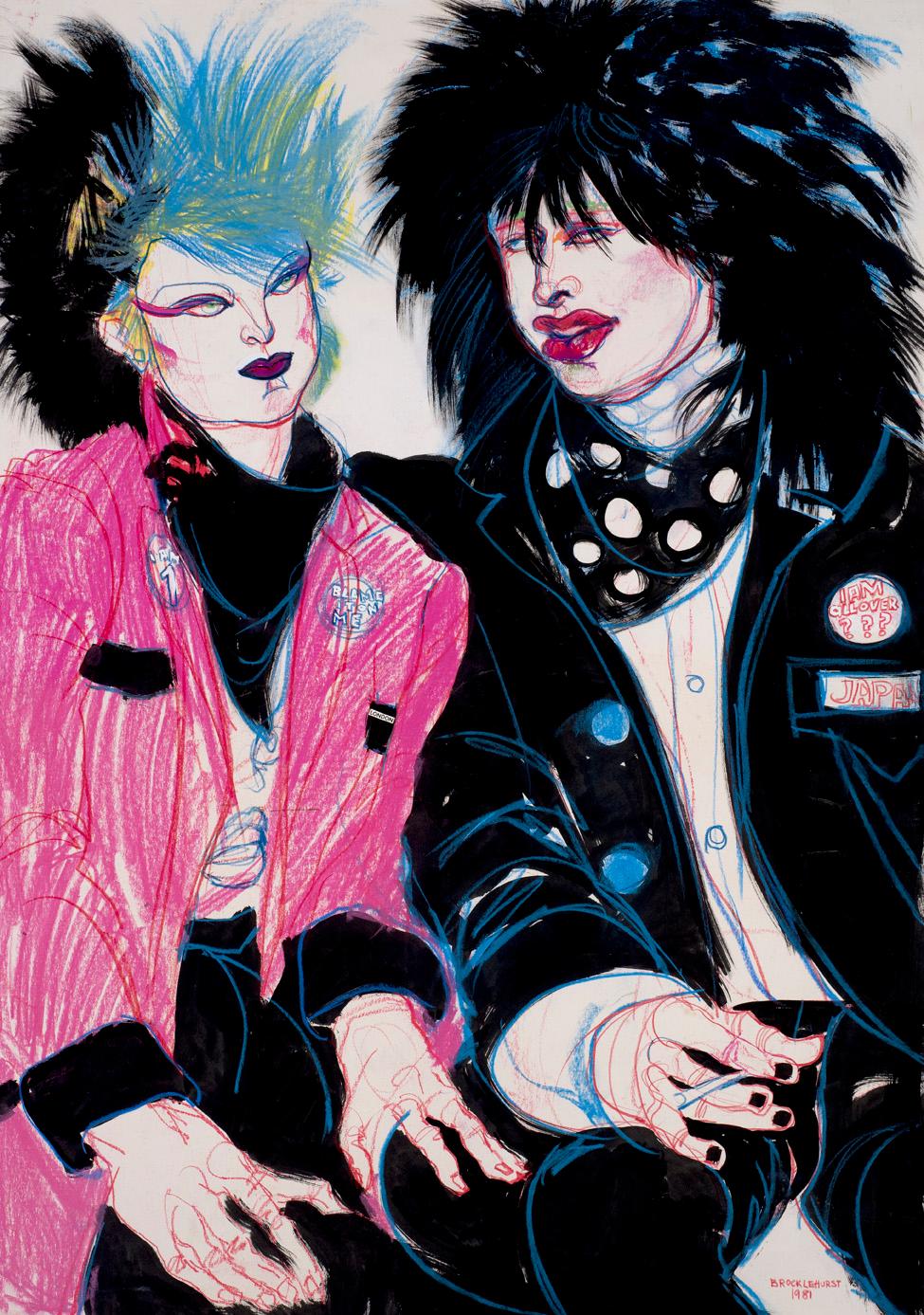
Jo Brocklehurst, Untitled (portrait of Val Drayton and Julian), 1981
Jo (Josephine) Brocklehurst (1935 - 2006) studied at Central Saint Martins and began her career as a fashion illustrator. She later focused on portraiture, drawing directly from models at her studio in West Hampstead and in nightclubs and theatres in Berlin, London and New York. Her work documents the alternative subcultures of the 1970s, 80s and 90s that went on to shape mainstream fashion and performance scenes. In the 1980s, Brocklehurst drew a series portraits of members of the Kill Your Pet Puppy collective who were living in a squat close to her studio. Attracted to their anarcho-punk dress and ethos, she said “I felt that they understood very well what was going on in the world, what was in it for them”.
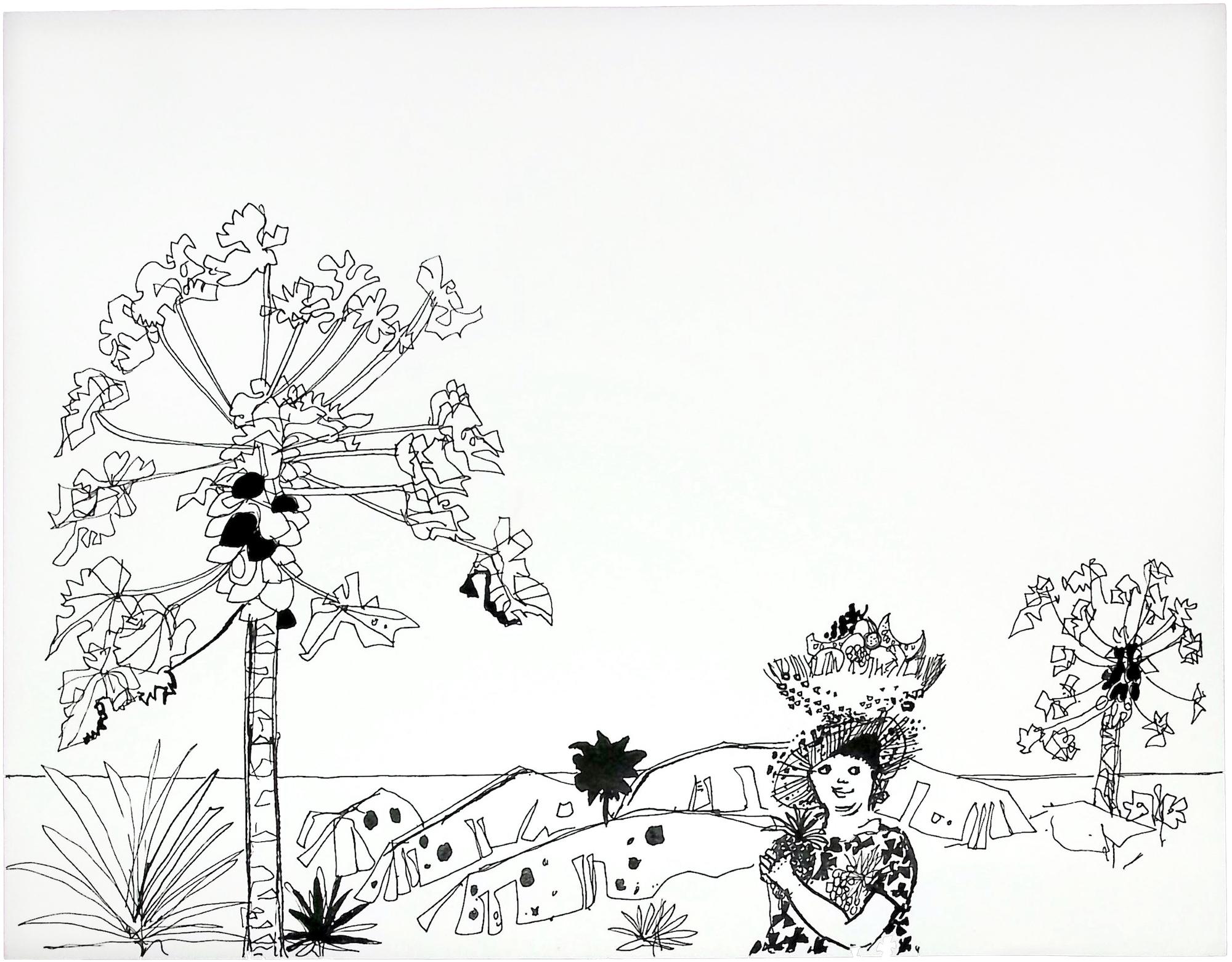
Untitled, c. 1968
British illustrator Janina Ede (1937-2018) created covers and illustrations for over 100 books from the 1950s to the 1980s.
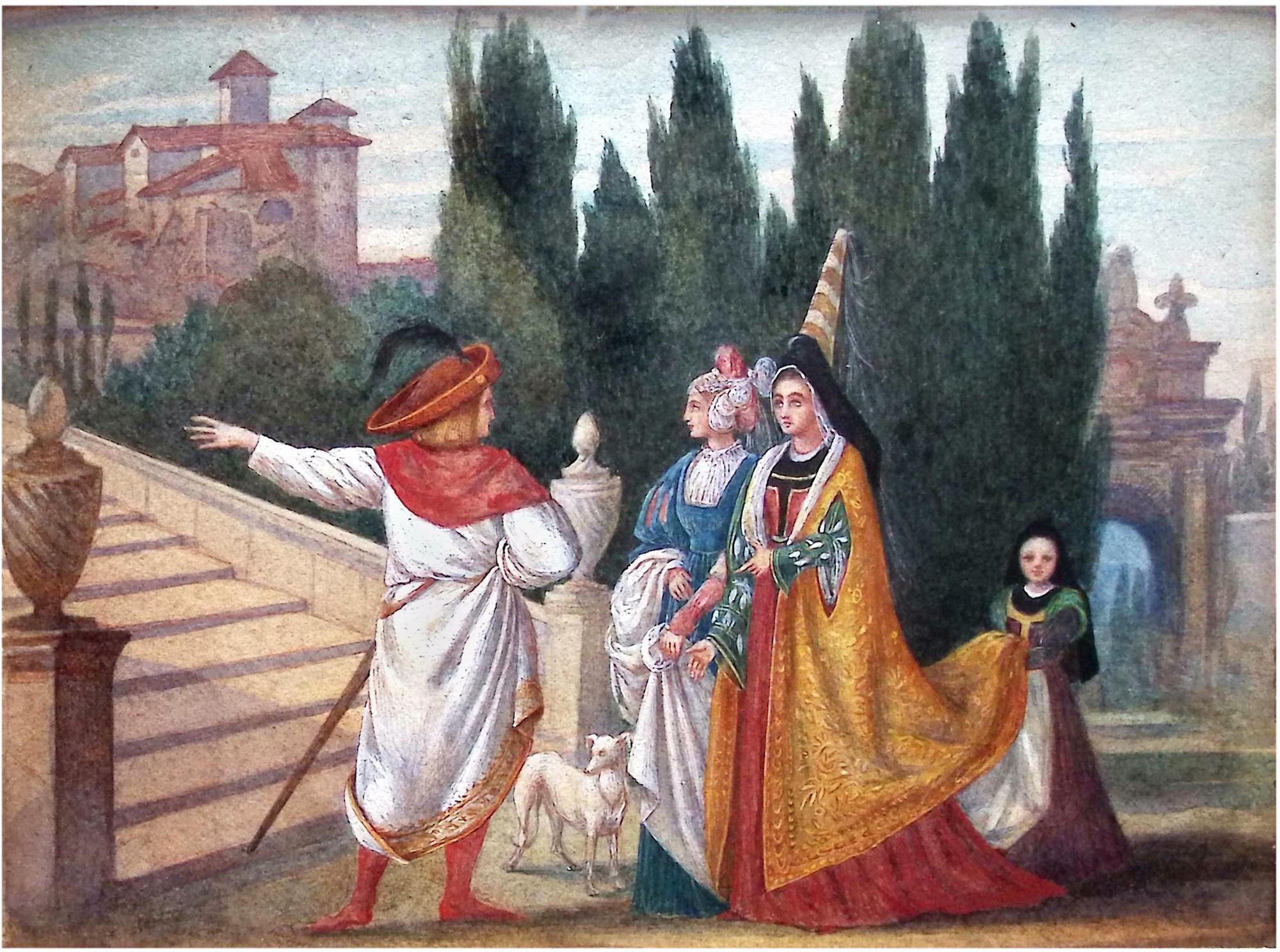
Illustration for Beauty and the Beast (Beauty and her two sisters), c. 1875
Eleanor Vere Boyle (1825 – 1916) illustrated poetry and prose by some of the most popular authors of her time. She regularly drew and painted using ink and watercolour, sketching landscapes, animals and her children from life. She also made drawings from her imagination, often reflecting spiritual themes. This illustration is from Boyle’s 1875 retelling of Beauty and the Beast, a fairy tale where a woman is imprisoned by a monster and falls in love with him. Unlike other illustrated versions before or since, Boyle gave her beast walrus-like tusks and flippers. In several of her illustrations, Boyle used shell gold – a mixture of finely ground gold powder and gum arabic (tree sap) that would have been stored in a shallow seashell. In the final publication, the caption for this illustration reads, "In the King's Garden the feast is ready, and the minstrels wait."
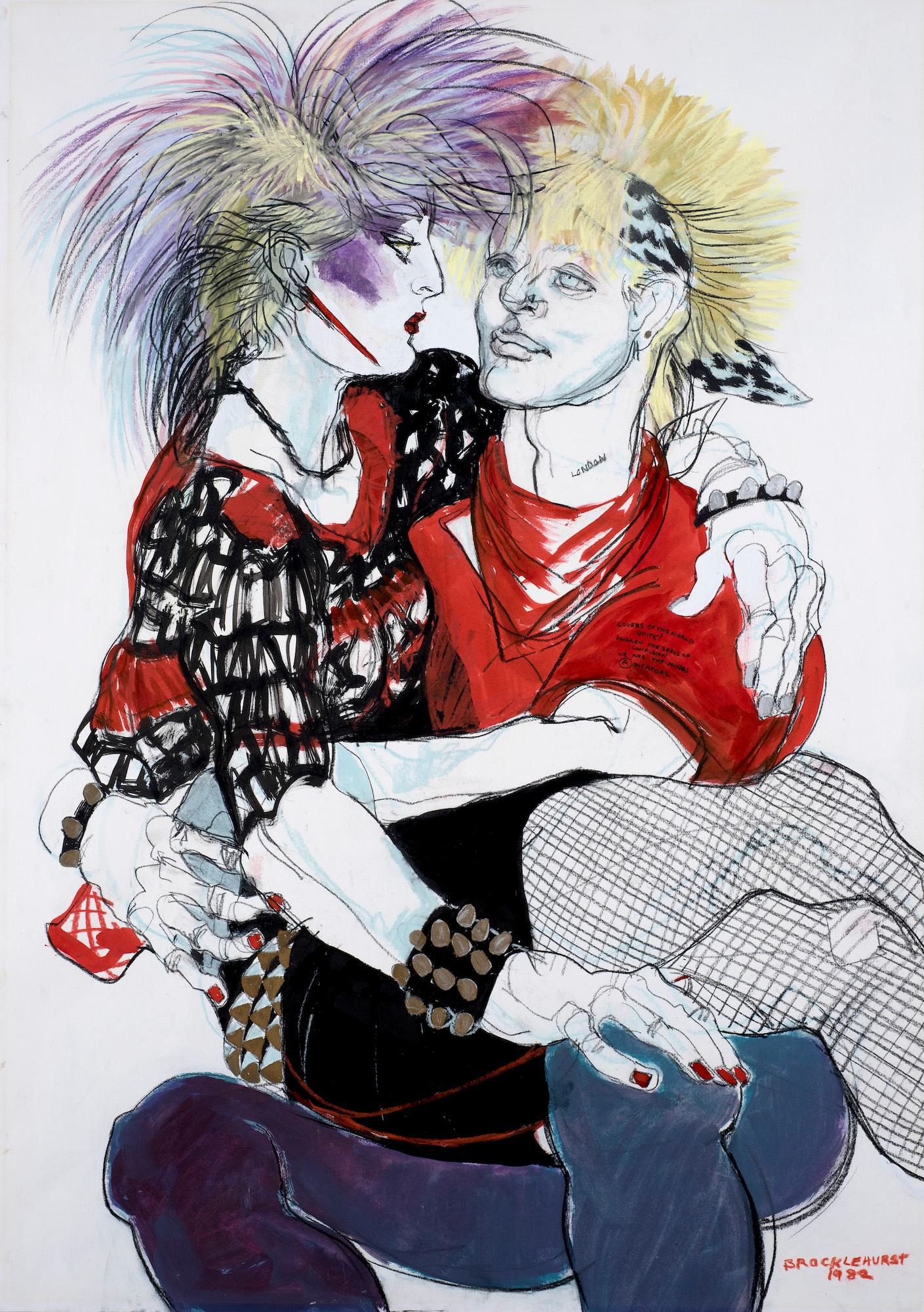
Jo Brocklehurst, Untitled (portrait with Val Drayton (left)), 1982
Jo (Josephine) Brocklehurst (1935 - 2006) studied at Central Saint Martins and began her career as a fashion illustrator. She later focused on portraiture, drawing directly from models at her studio in West Hampstead and in nightclubs and theatres in Berlin, London and New York. Her work documents the alternative subcultures of the 1970s, 80s and 90s that went on to shape mainstream fashion and performance scenes. In the 1980s, Brocklehurst drew a series portraits of members of the Kill Your Pet Puppy collective who were living in a squat close to her studio. Attracted to their anarcho-punk dress and ethos, she said “I felt that they understood very well what was going on in the world, what was in it for them”.
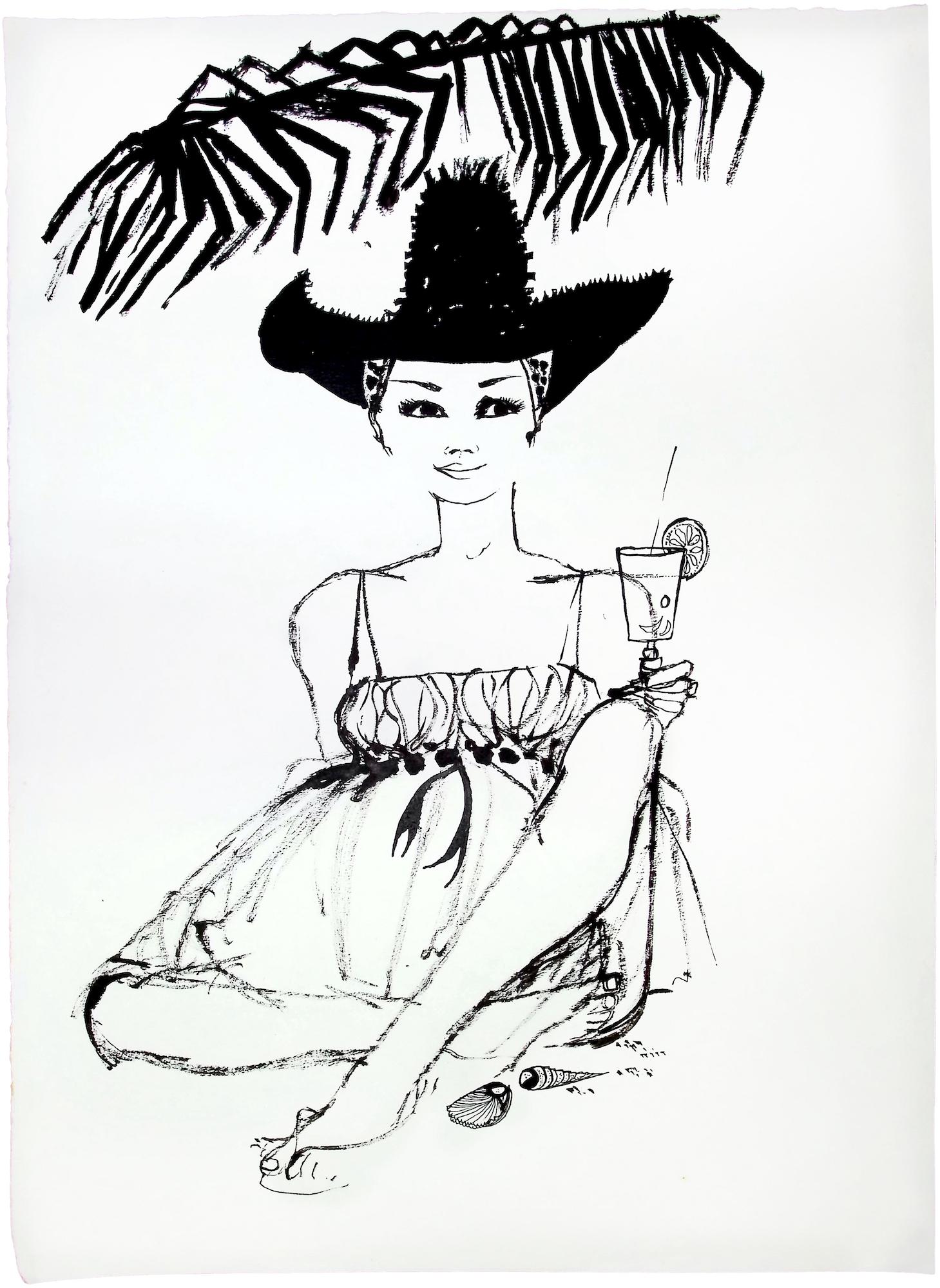
Untitled, Date unknown
British illustrator Janina Ede (1937-2018) created covers and illustrations for over 100 books from the 1950s to the 1980s. Ede often worked using just black ink, combining pen and brushwork to create bold illustrations with fine details.
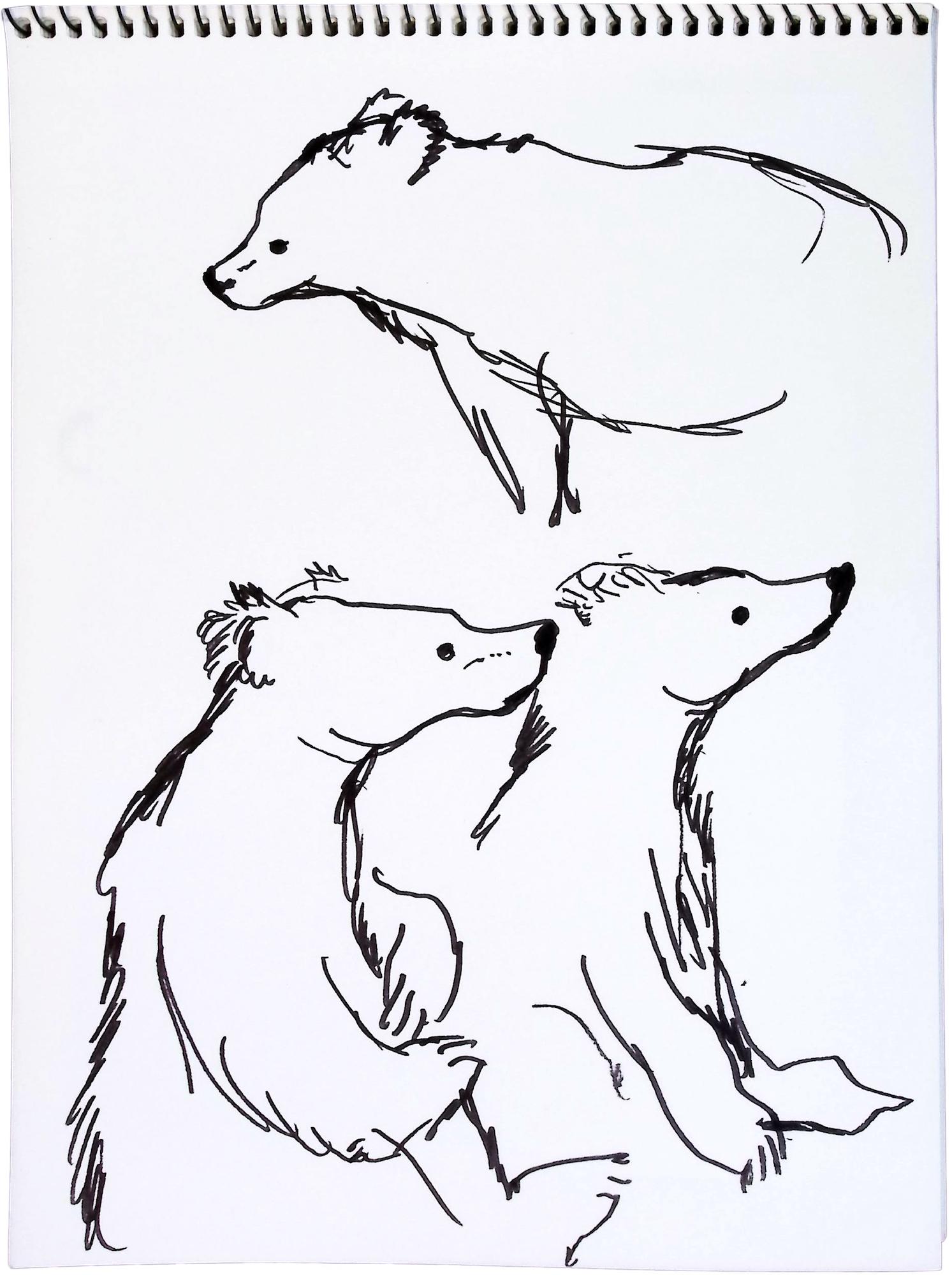
Untitled, Date unknown
British illustrator Janina Ede (1937-2018) created covers and illustrations for over 100 books from the 1950s to the 1980s. Many of her illustrations feature animals, which she drew from life.
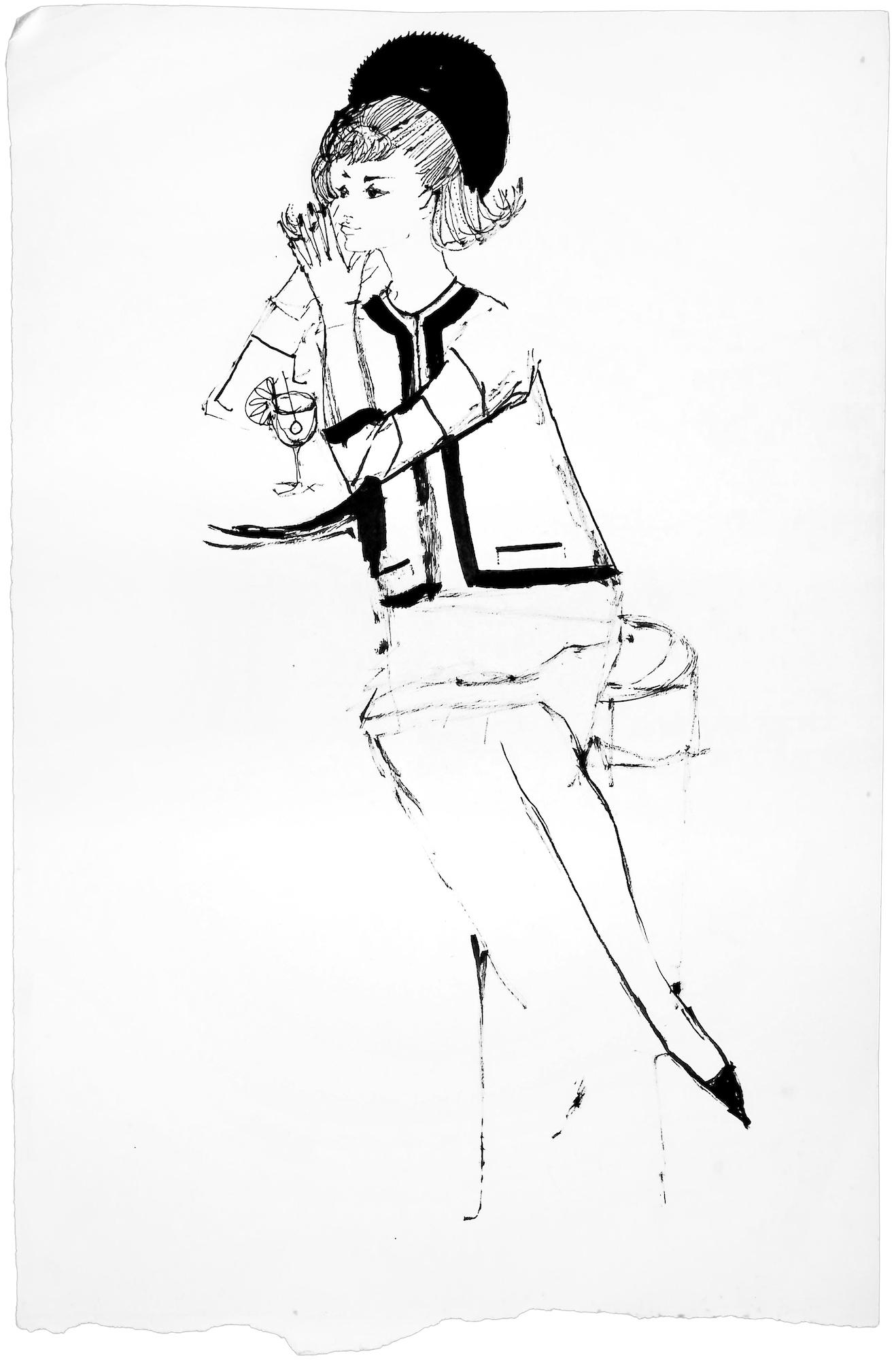
Untitled, Date unknown
British illustrator Janina Ede (1937-2018) created covers and illustrations for over 100 books from the 1950s to the 1980s. Ede often worked using just black ink, combining pen and brushwork to create bold illustrations with fine details.
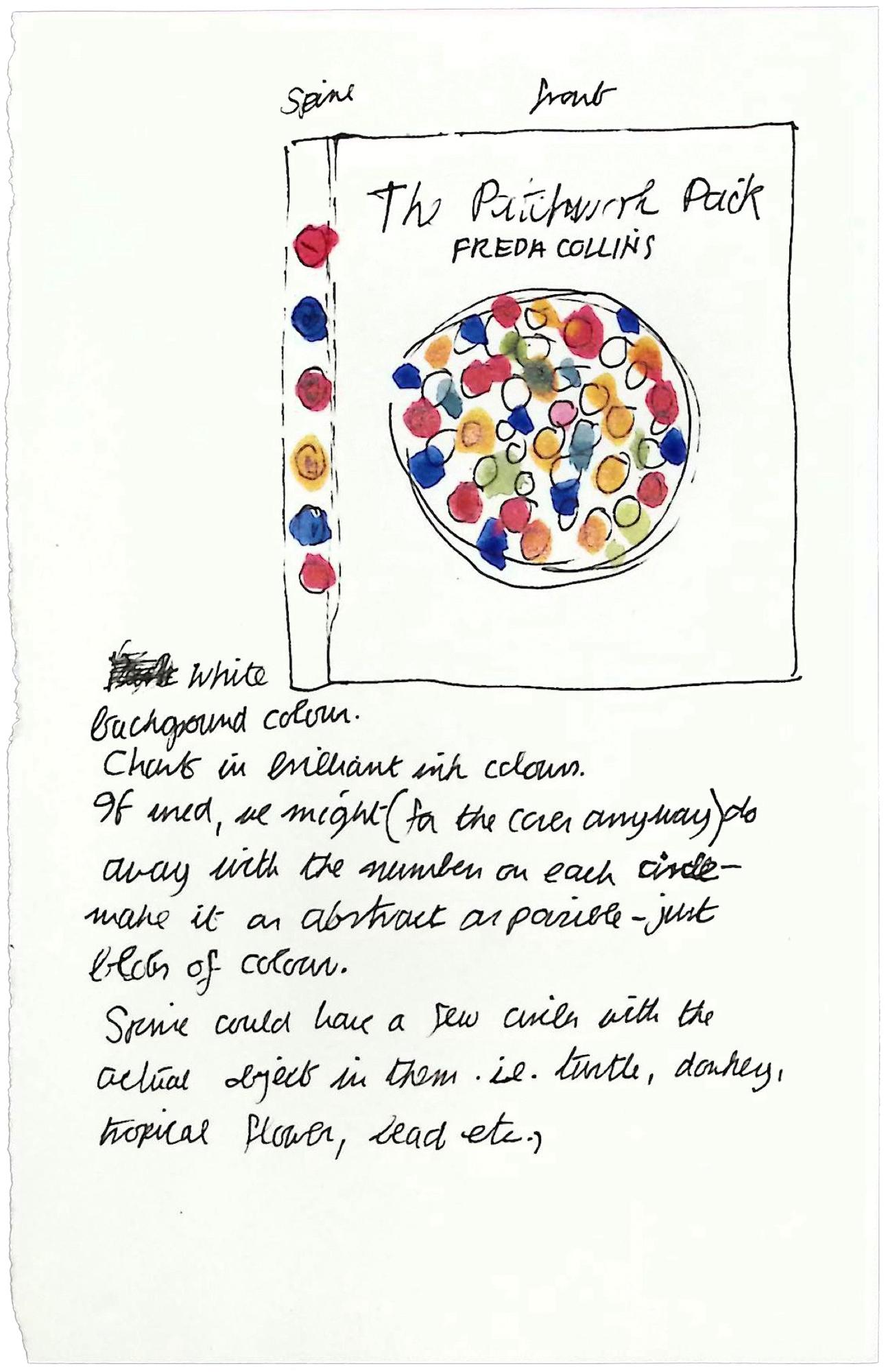
Untitled, c. 1968
British illustrator Janina Ede (1937-2018) created covers and illustrations for over 100 books from the 1950s to the 1980s. In the 1960s, Ede began working on children’s books. The Patchwork Pack (1968) by Freda Collins is about a group of ‘Brownies’ – the name given to members of the worldwide girl-guiding movement.
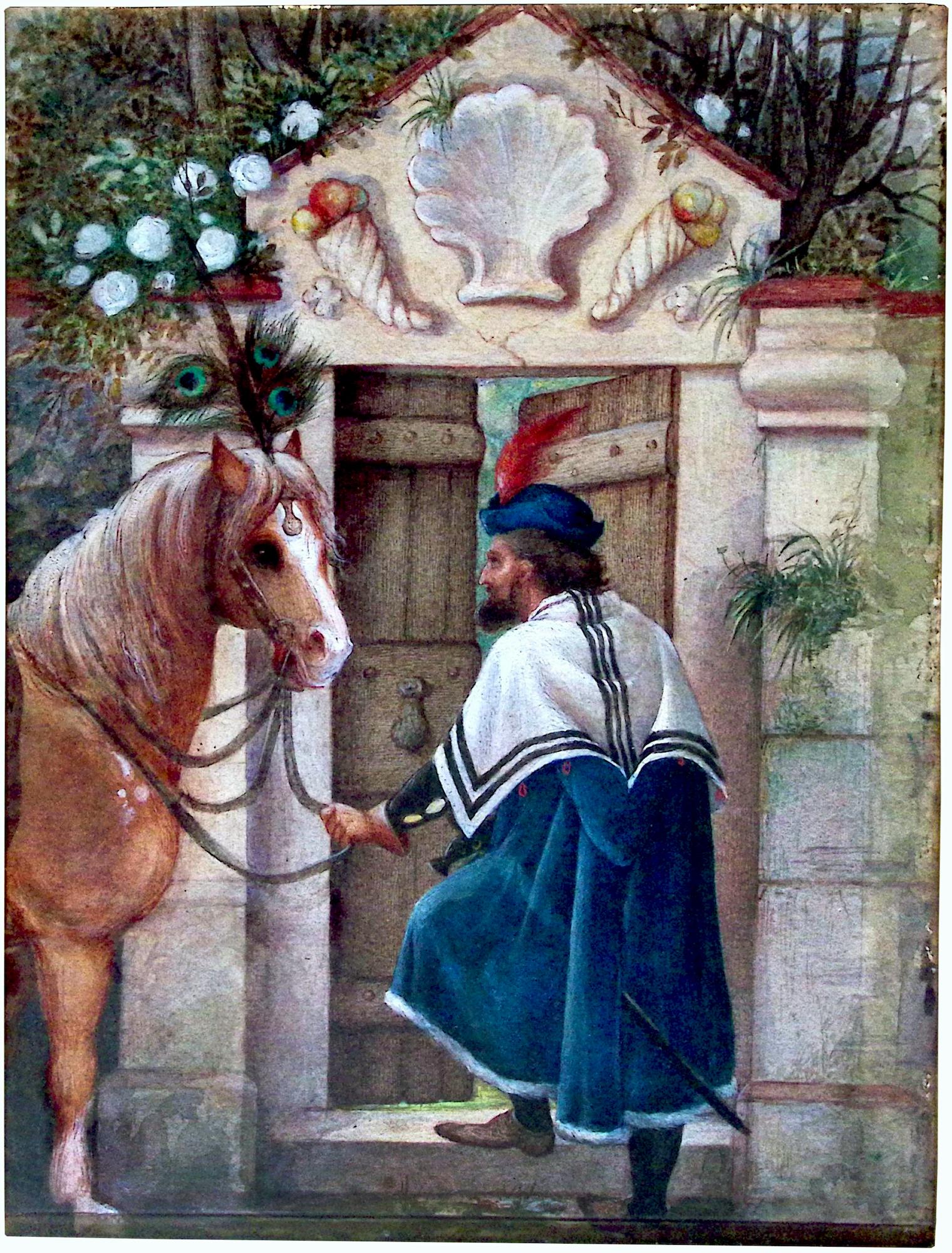
Illustration for Beauty and the Beast (the Merchant entering the Beast's Garden), c. 1875
Eleanor Vere Boyle (1825 – 1916) illustrated poetry and prose by some of the most popular authors of her time. She regularly drew and painted using ink and watercolour, sketching landscapes, animals and her children from life. She also made drawings from her imagination, often reflecting spiritual themes. This illustration is from Boyle’s 1875 retelling of Beauty and the Beast, a fairy tale where a woman is imprisoned by a monster and falls in love with him. Unlike other illustrated versions before or since, Boyle gave her beast walrus-like tusks and flippers. In several of her illustrations, Boyle used shell gold – a mixture of finely ground gold powder and gum arabic (tree sap) that would have been stored in a shallow seashell. In the final publication, the caption for this illustration reads, "The Merchant found a little door in the wall, and he opened it, and went into the Beast's Garden."
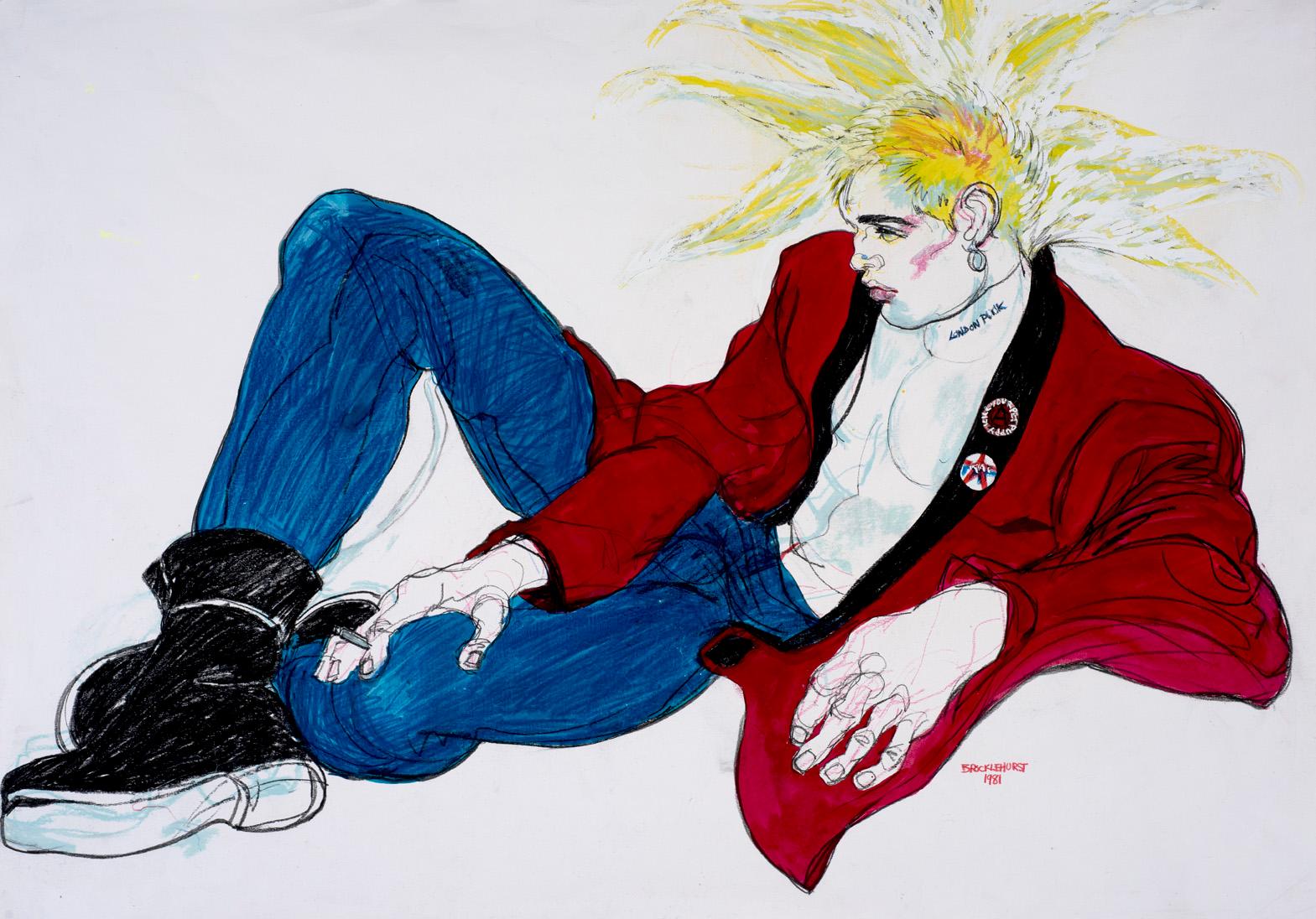
Jo Brocklehurst, Untitled, 1981
Jo (Josephine) Brocklehurst (1935 - 2006) studied at Central Saint Martins and began her career as a fashion illustrator. She later focused on portraiture, drawing directly from models at her studio in West Hampstead and in nightclubs and theatres in Berlin, London and New York. Her work documents the alternative subcultures of the 1970s, 80s and 90s that went on to shape mainstream fashion and performance scenes. In the 1980s, Brocklehurst drew a series portraits of members of the Kill Your Pet Puppy collective who were living in a squat close to her studio. Attracted to their anarcho-punk dress and ethos, she said “I felt that they understood very well what was going on in the world, what was in it for them”.
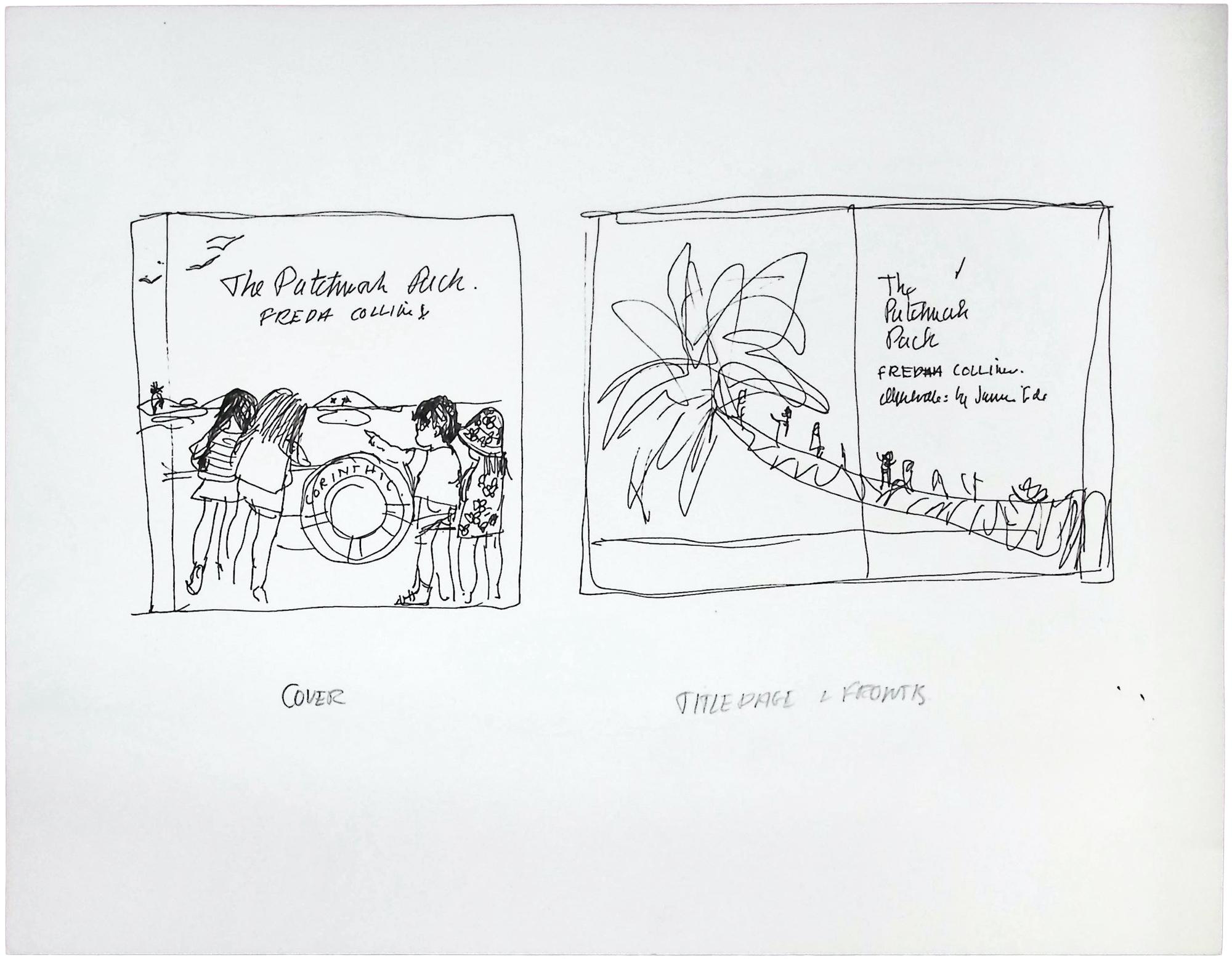
Untitled, c. 1968
British illustrator Janina Ede (1937-2018) created covers and illustrations for over 100 books from the 1950s to the 1980s. In the 1960s, Ede began working on children’s books. The Patchwork Pack (1968) by Freda Collins is about a group of ‘Brownies’ – the name given to members of the worldwide girl-guiding movement.