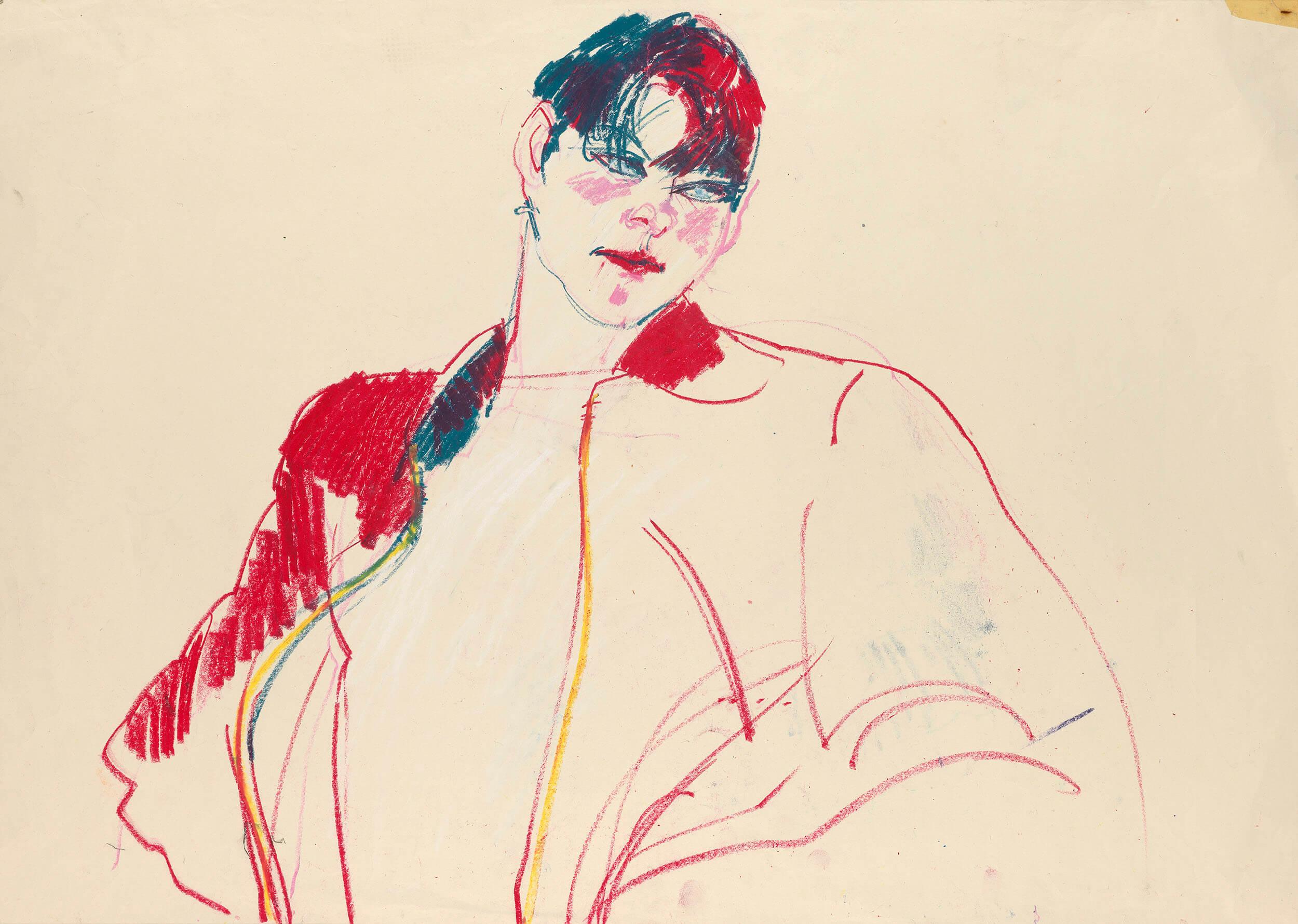
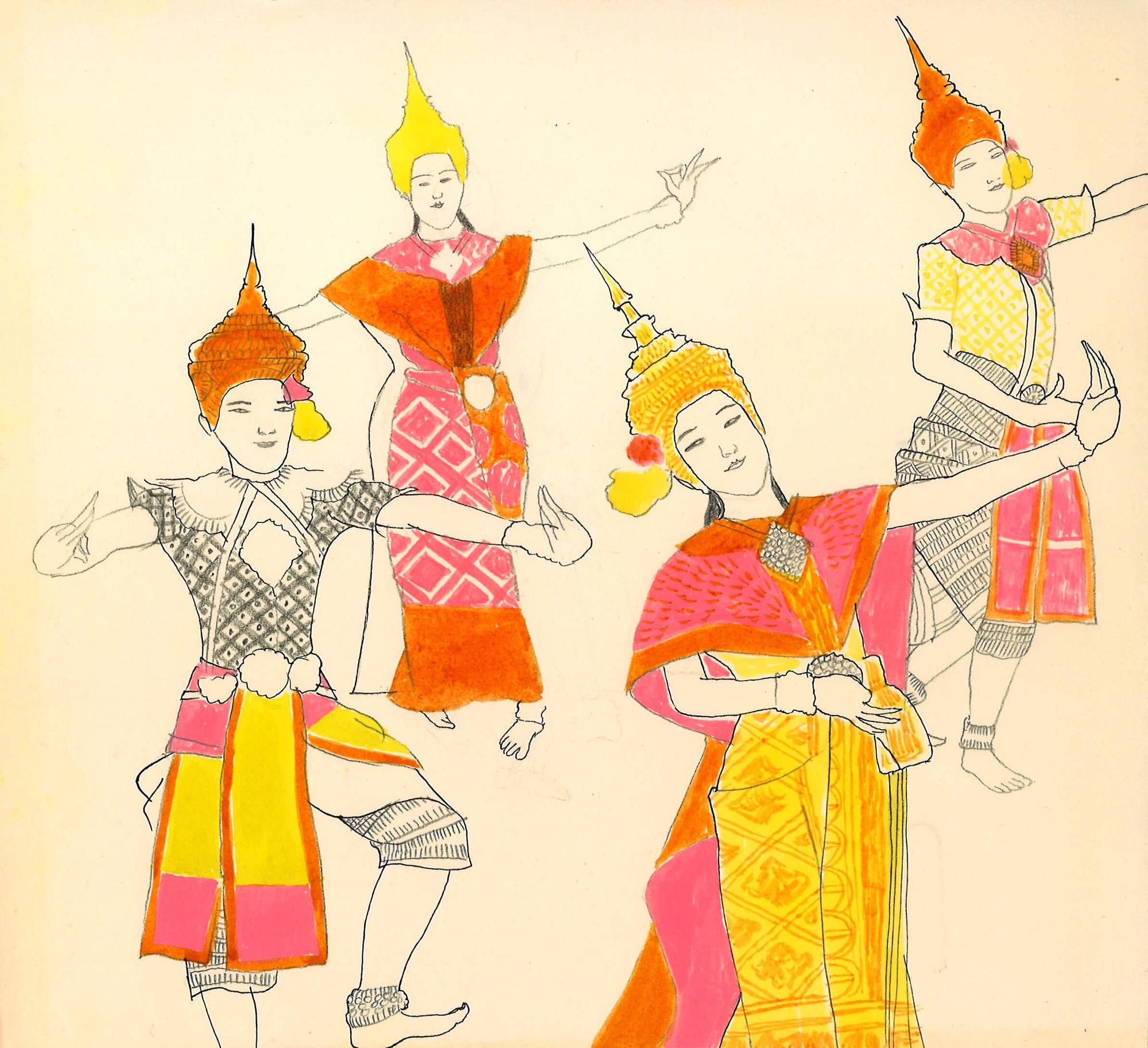
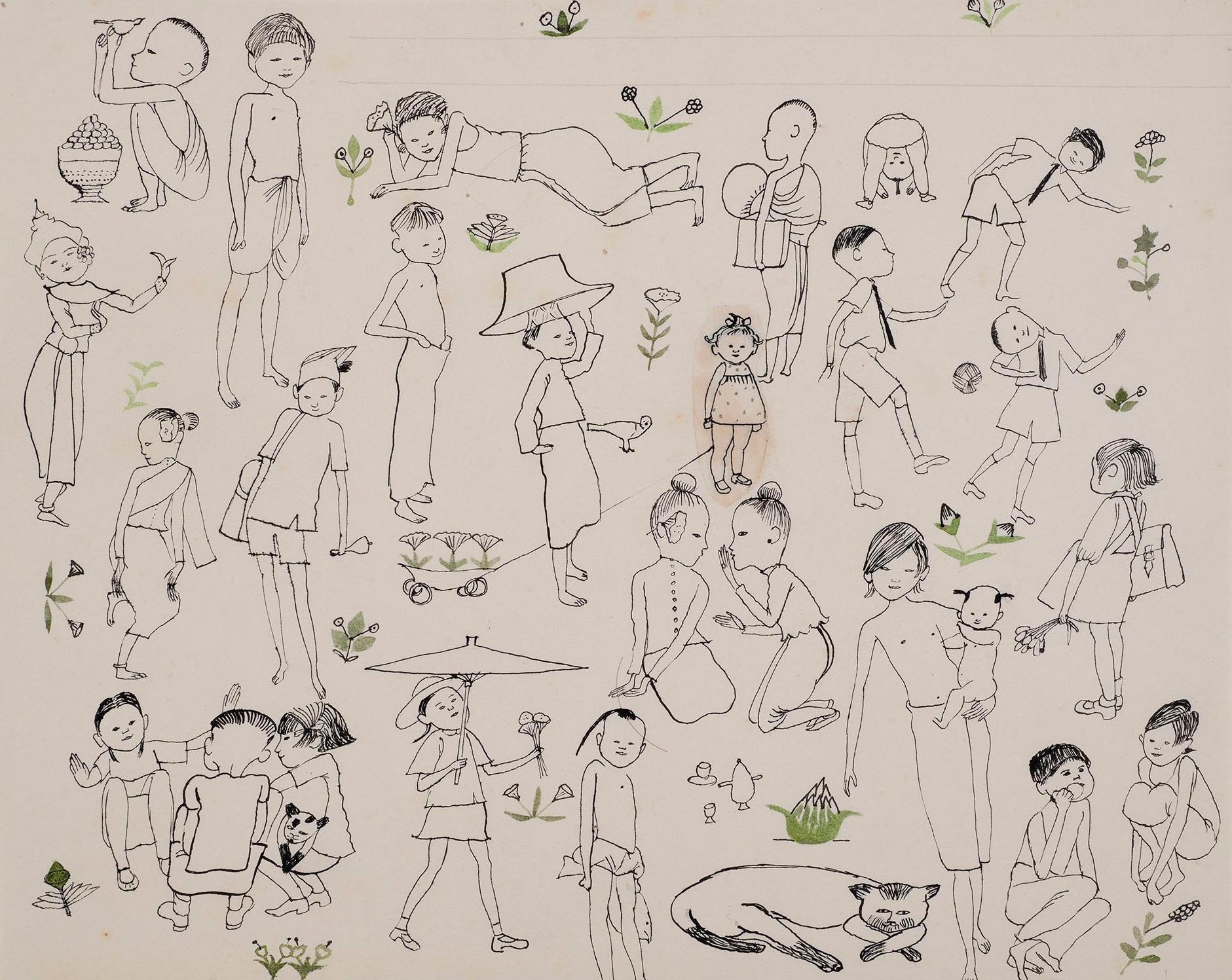
1968
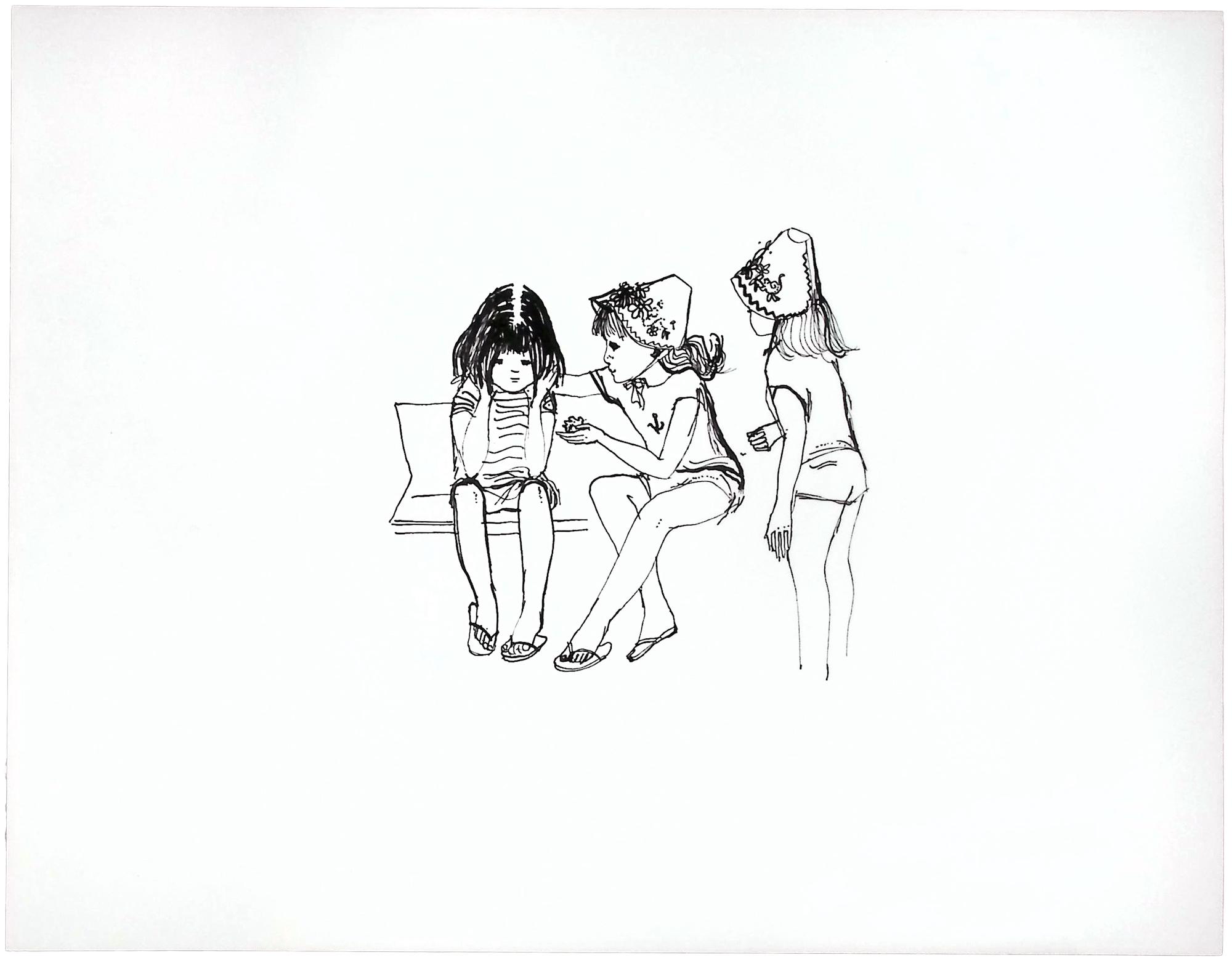
Untitled, c. 1968
British illustrator Janina Ede (1937-2018) created covers and illustrations for over 100 books from the 1950s to the 1980s. In the 1960s, Ede began working on children’s books. The Patchwork Pack (1968) by Freda Collins is about a group of ‘Brownies’ – the name given to members of the worldwide girl-guiding movement.
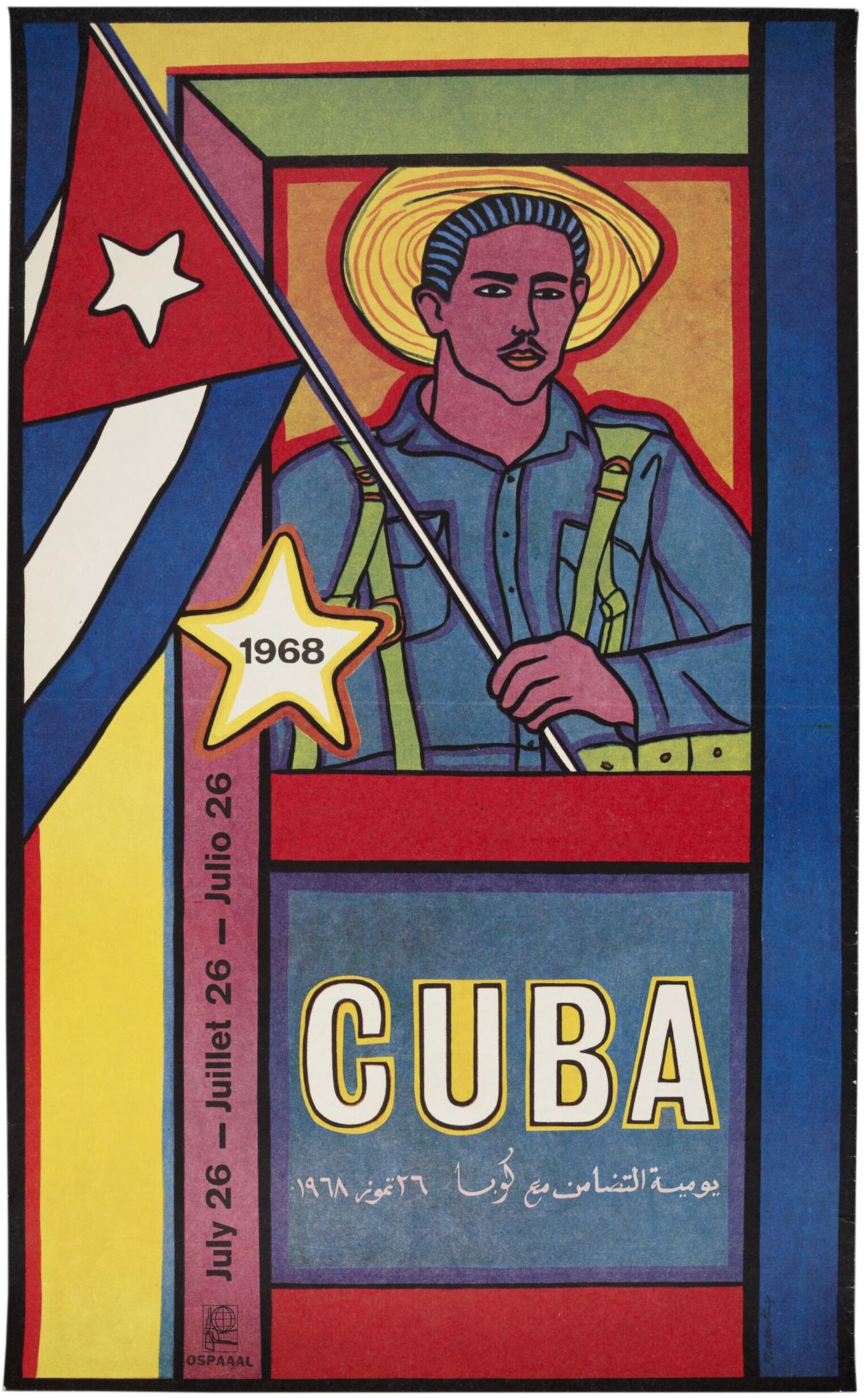
CUBA - July 26 - 1968, 1968
Between the 1960s and 1990s, more than fifty designers worked at OSPAAAL. Based in Cuba, they made magazines and posters that were sent around the world. Their aim was to promote radical political ideas. Many of their posters celebrate socialist revolutions and liberation movements from the Global South. From the 1960s, painter Raúl Martinez started working as a graphic designer, drawn to the social impact of posters and magazines. He was known for his portraits of well-known revolutionary icons, but to commemorate the 26th of July Movement he portrayed an anonymous Cuban patriot.
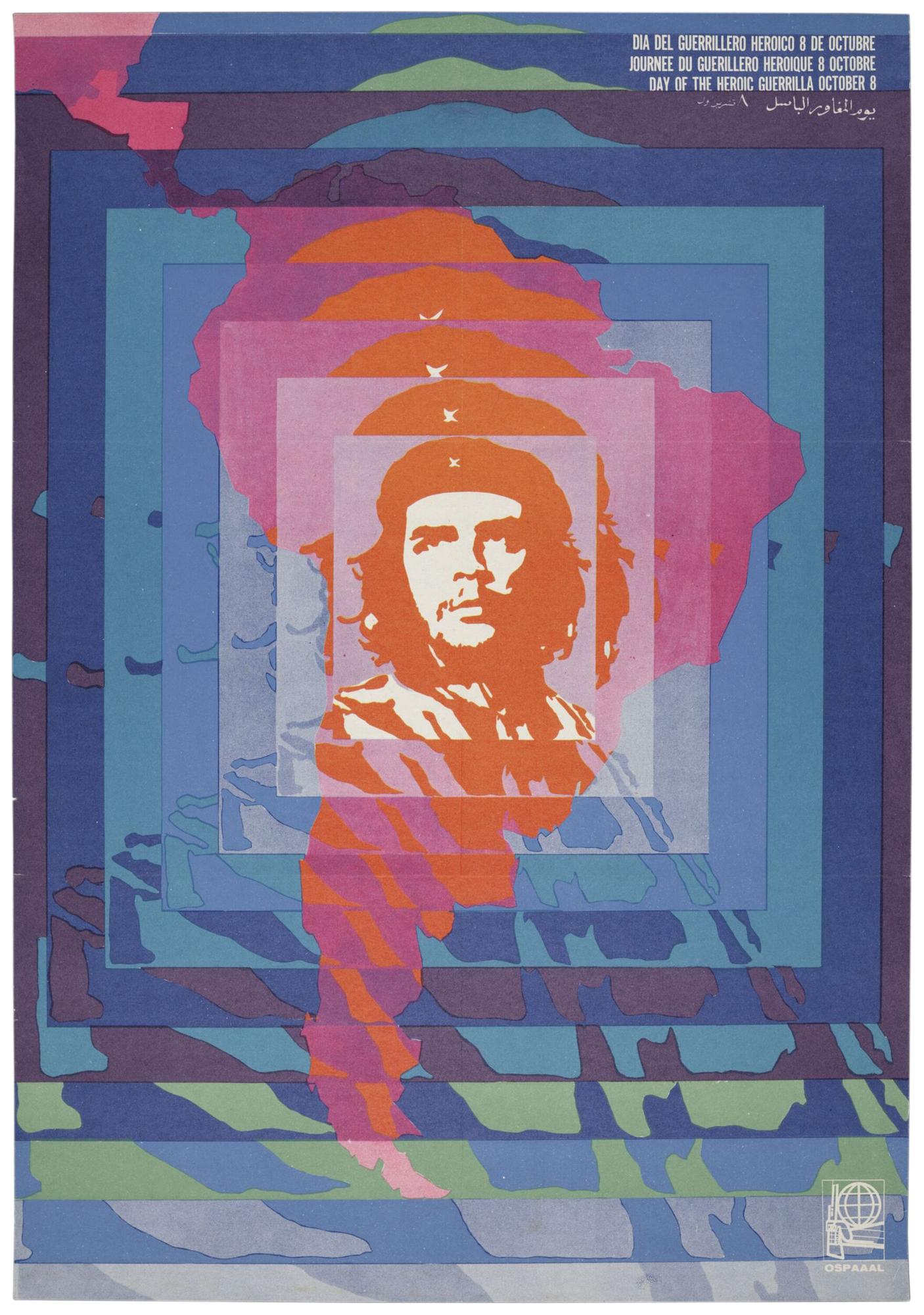
DAY OF THE HEROIC GUERRILLA - OCTOBER 8, 1968
Between the 1960s and 1990s, more than fifty designers worked at OSPAAAL (the Organisation of Solidarity with the People of Africa, Asia and Latin America). Based in Cuba, they made magazines and posters that were sent around the world. Their aim was to promote radical political ideas. Many of their posters celebrate socialist revolutions and liberation movements from the Global South. From 1968, 9 October was designated as the ‘Day of the Heroic Guerilla’ to mark the anniversary of Che Guevara’s death. Helena Serrano was working at the Cuban government’s propaganda commission when she was asked to produce this poster, her only design for OSPAAAL.
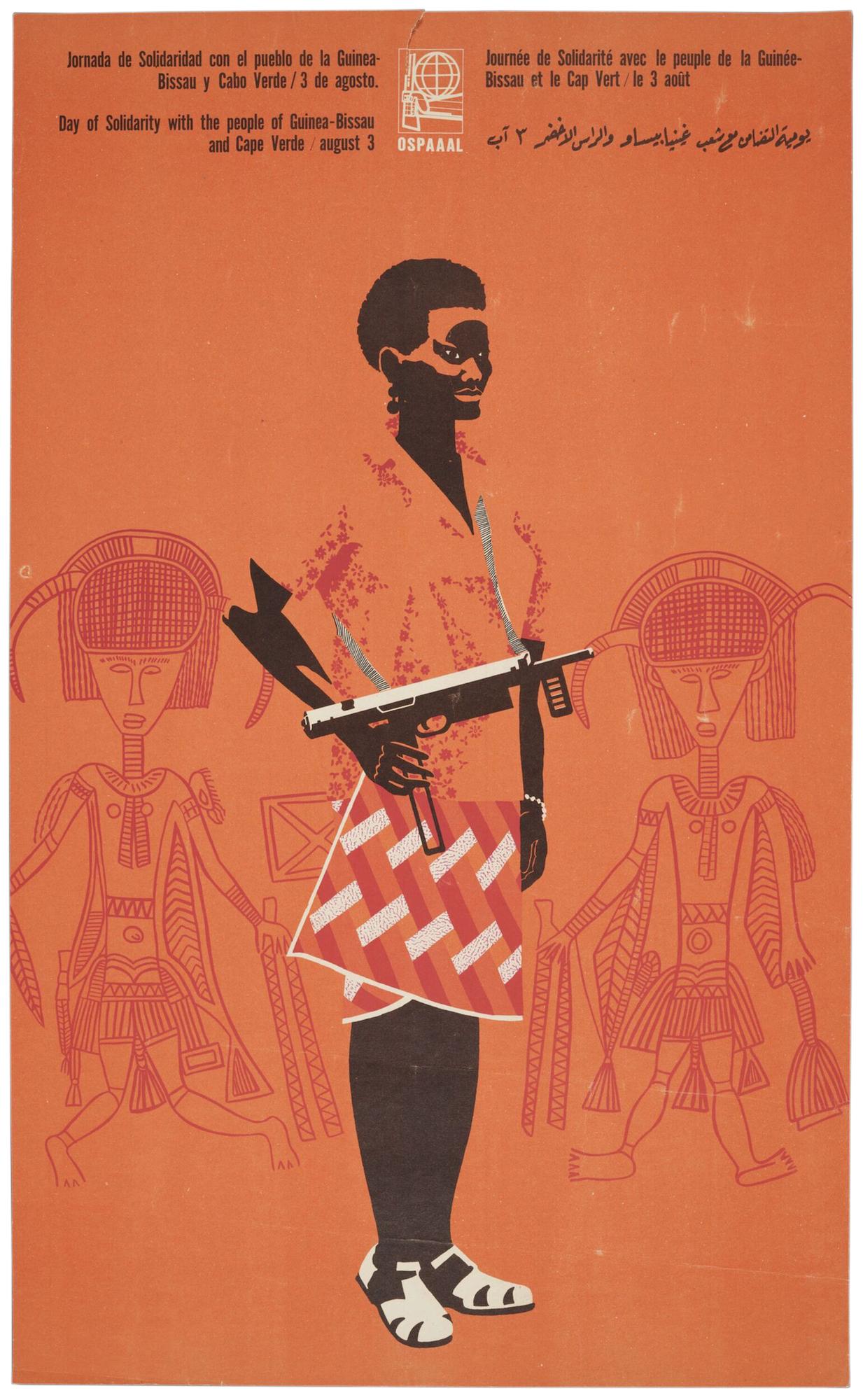
Day of Solidarity with the people of Guinea-Bissau and Cape Verde - august 3, 1968
Between the 1960s and 1990s, more than fifty designers worked at OSPAAAL (the Organisation of Solidarity with the People of Africa, Asia and Latin America). Based in Cuba, they made magazines and posters that were sent around the world. Their aim was to promote radical political ideas. Many of their posters celebrate socialist revolutions and liberation movements from the Global South. This poster was designed to mark a day of solidarity with liberation movements in Cape Verde and Guinea-Bissau seeking independence from Portuguese colonial rule, on the date of the Pidjiguiti massacre. Many OSPAAAL designers combined images of Indigenous art and craft with contemporary weaponry. Their aim was to argue for the right to self-determination and support liberation movements opposing colonial and imperial powers. However, the designers did not always know the meaning or origin of the iconography they used.
Content warning: weaponry
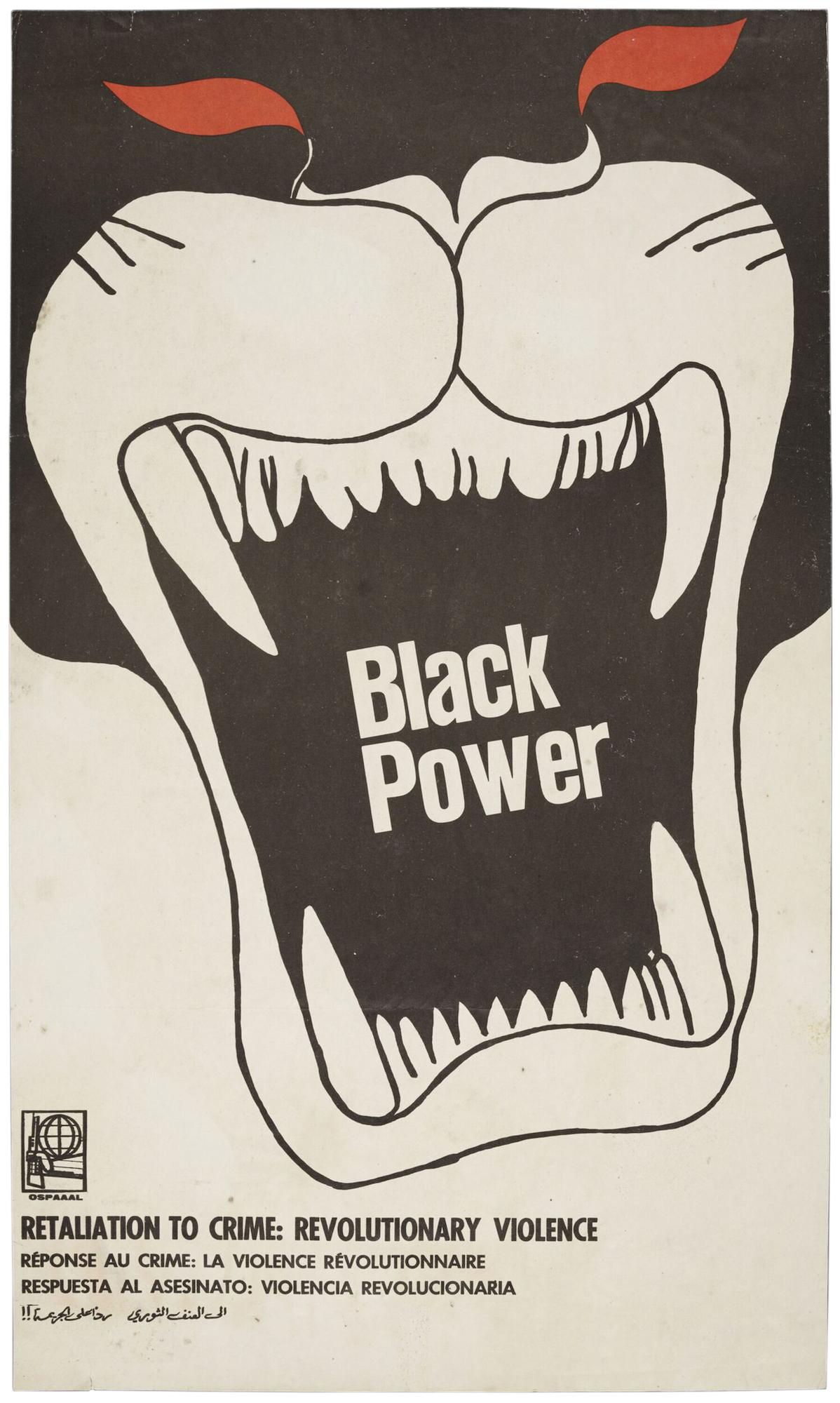
Black Power - RETALIATION TO CRIME: REVOLUTIONARY VIOLENCE, 1968
Between the 1960s and 1990s, more than fifty designers worked at OSPAAAL (the Organisation of Solidarity with the People of Africa, Asia and Latin America). Based in Cuba, they made magazines and posters that were sent around the world. Their aim was to promote radical political ideas. Many of their posters celebrate socialist revolutions and liberation movements from the Global South. They also criticised the foreign policy of the U.S.A. and supported the Black Power movement. Alfredo Rostgaard’s poster was inspired by the Black Panther Party logo. Some copies had a message printed on the back: “On the occasion of Dr. Martin Luther King’s assassination, we have published a poster that is now being circulated all over the world. We are sending you herewith a certain amount of these posters, which may be used in your country for the activities to be carried out in this regard.”
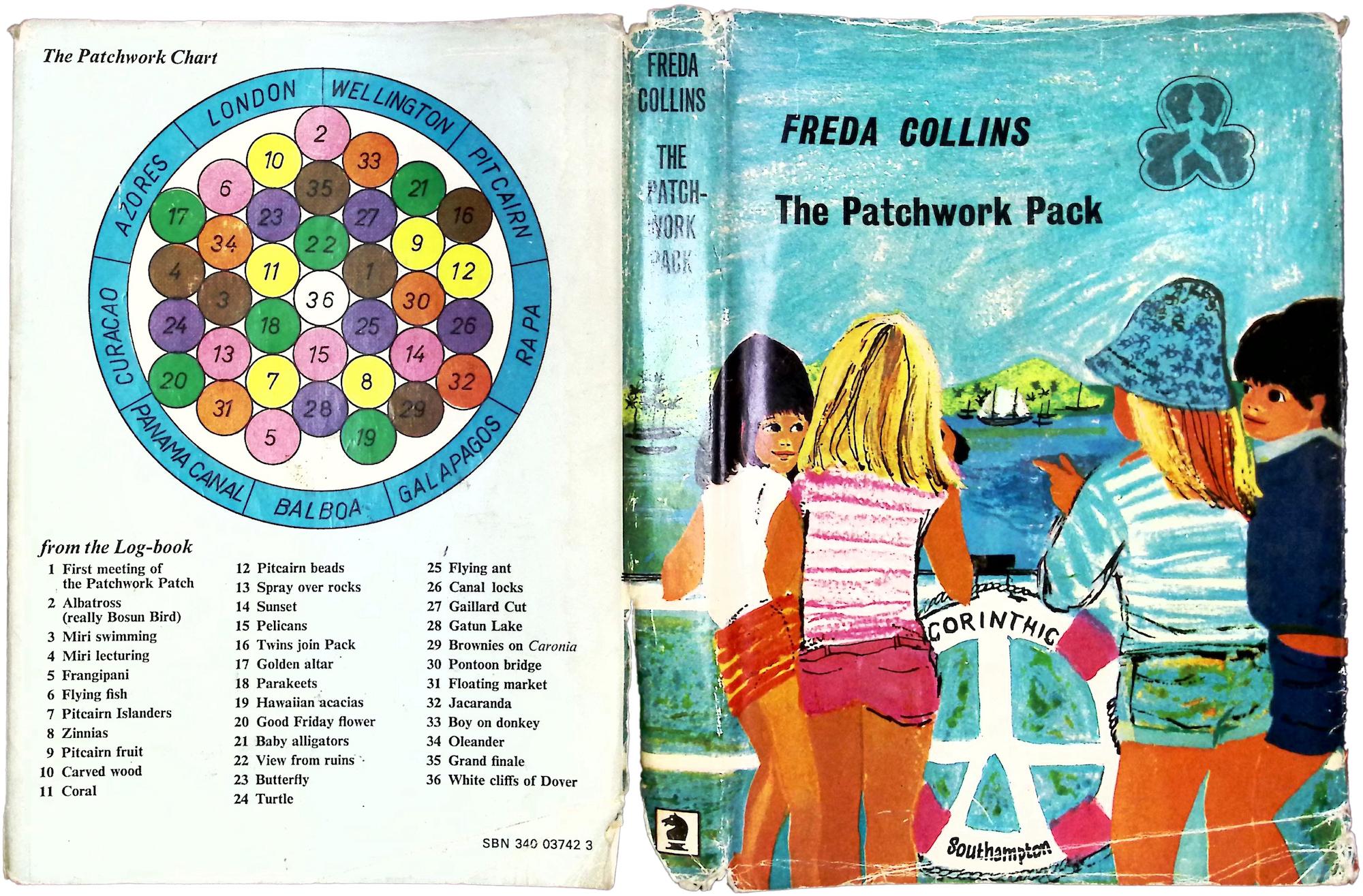
Cover jacket for "The Patchwork Pack", 1968
British illustrator Janina Ede (1937-2018) created covers and illustrations for over 100 books from the 1950s to the 1980s. In the 1960s, Ede began working on children’s books. The Patchwork Pack (1968) by Freda Collins is about a group of ‘Brownies’ – the name given to members of the worldwide girl-guiding movement.
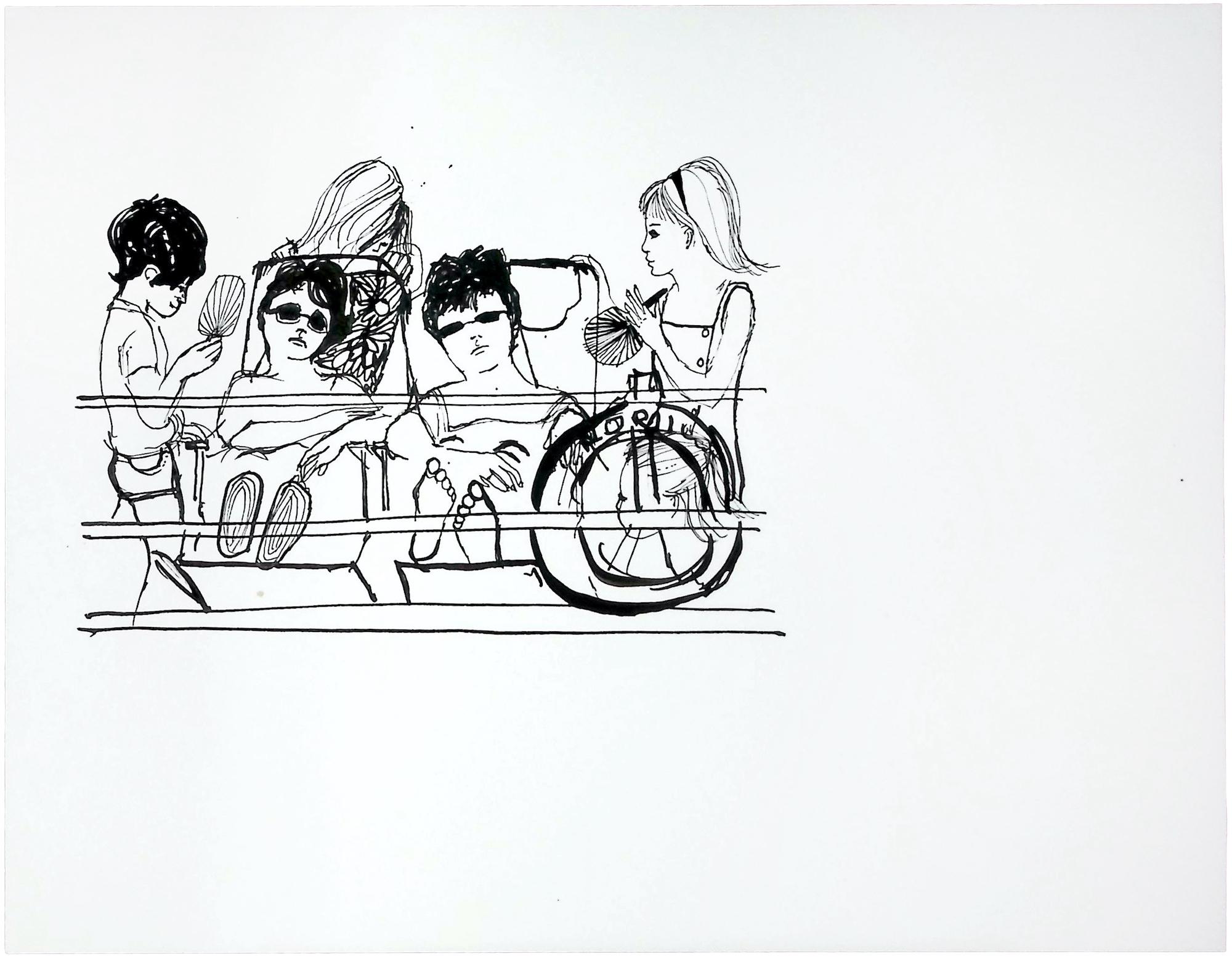
Untitled, c. 1968
British illustrator Janina Ede (1937-2018) created covers and illustrations for over 100 books from the 1950s to the 1980s. In the 1960s, Ede began working on children’s books. The Patchwork Pack (1968) by Freda Collins is about a group of ‘Brownies’ – the name given to members of the worldwide girl-guiding movement.
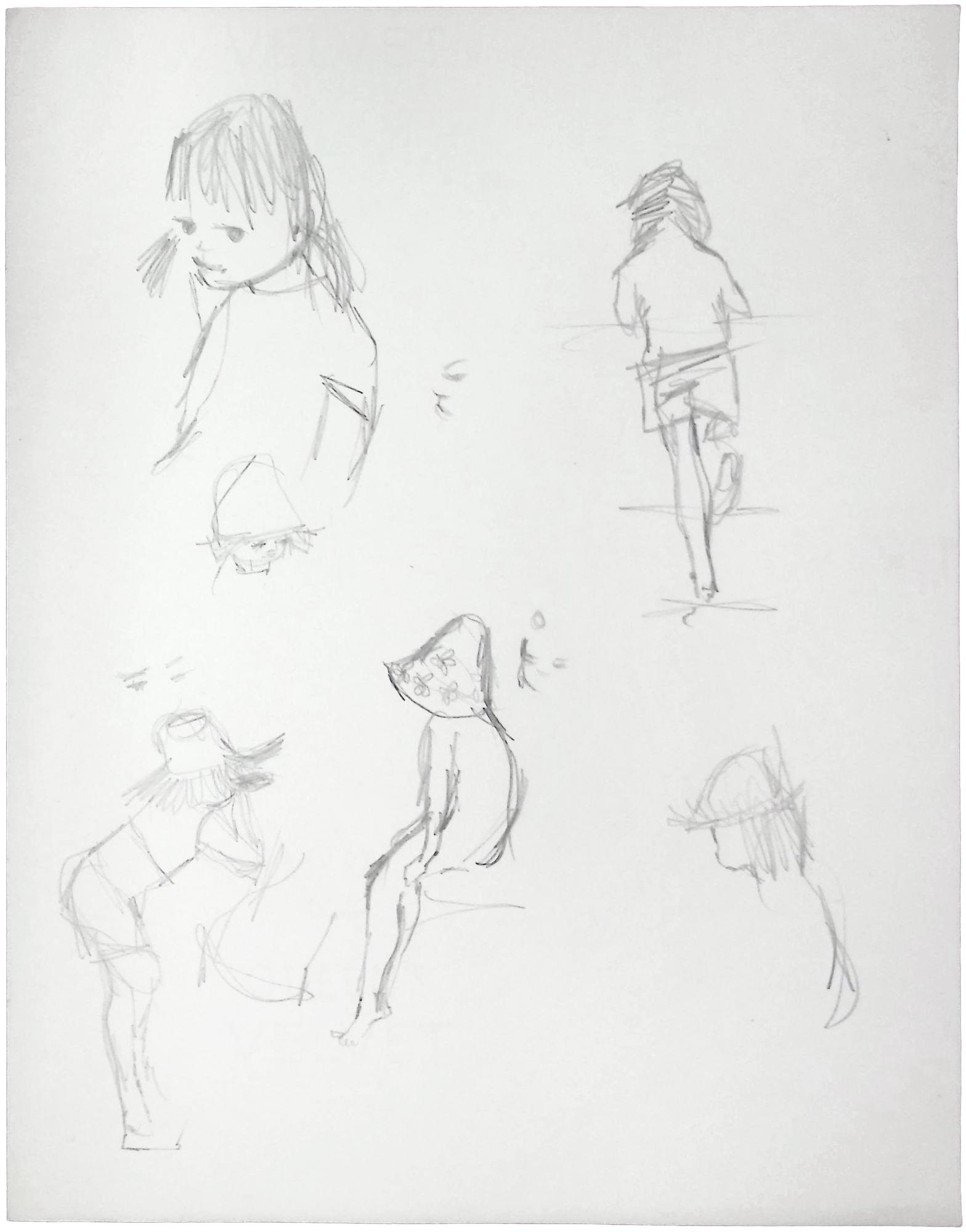
Untitled, c. 1968
British illustrator Janina Ede (1937-2018) created covers and illustrations for over 100 books from the 1950s to the 1980s. In the 1960s, Ede began working on children’s books. The Patchwork Pack (1968) by Freda Collins is about a group of ‘Brownies’ – the name given to members of the worldwide girl-guiding movement.
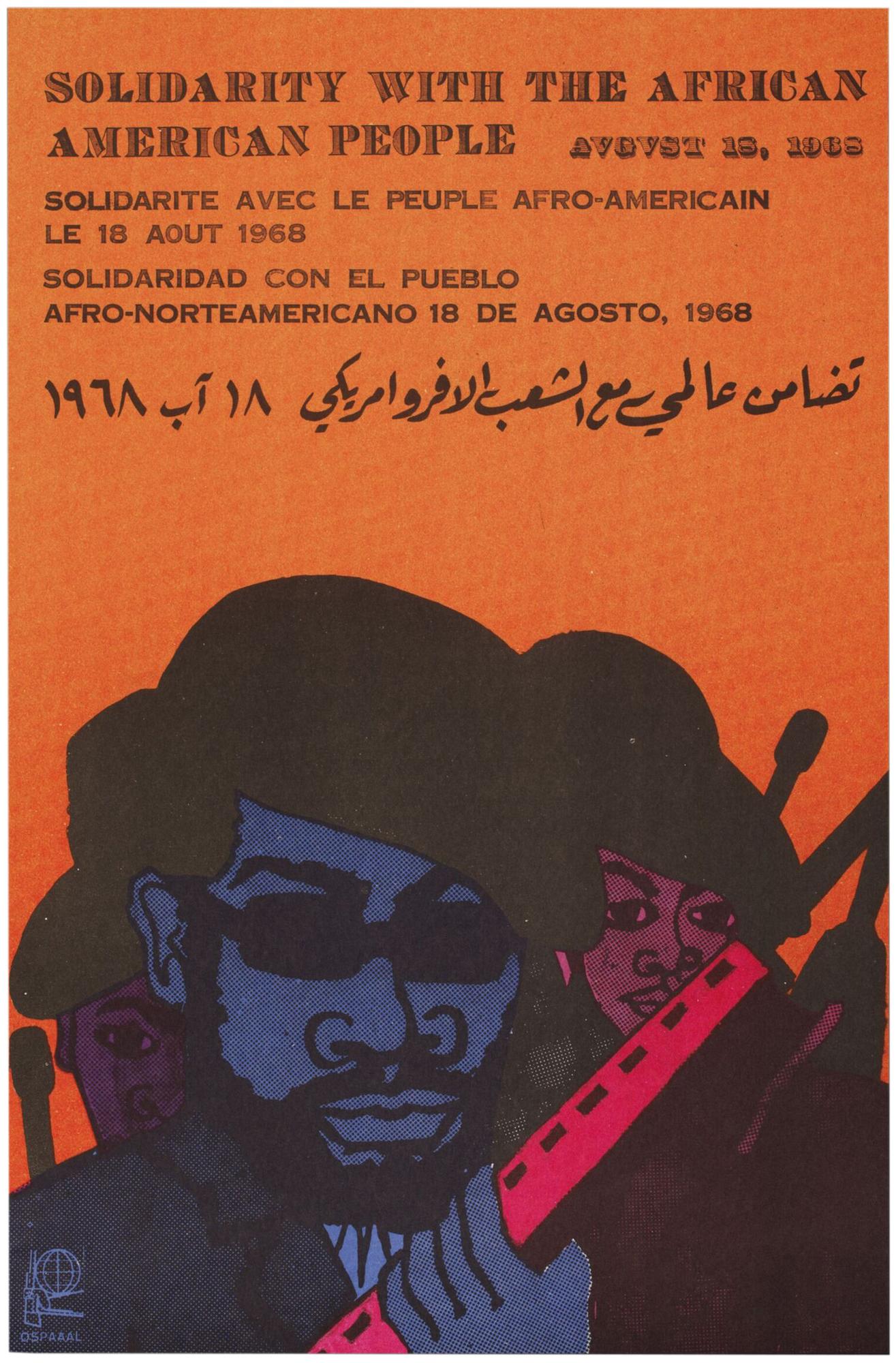
SOLIDARITY WITH THE AFRICAN AMERICAN PEOPLE - AUGUST 18, 1968, 1968
Between the 1960s and 1990s, more than fifty designers worked at OSPAAAL. Based in Cuba, they made magazines and posters that were sent around the world. Their aim was to promote radical political ideas. Many of their posters celebrate socialist revolutions and liberation movements from the Global South. They were also connected to the Black Panther Party, a political organisation based in Oakland, California. Designer Emory Douglas was “glad to see” his illustrations for the Black Panther Party’s newspaper repurposed by OSPAAAL. Douglas’ image reflects the party’s line on carrying arms: “we believe we can end police brutality... by organising black self-defence groups that are dedicated to defending our black community from racist police oppression and brutality.”
Content warning: weaponry
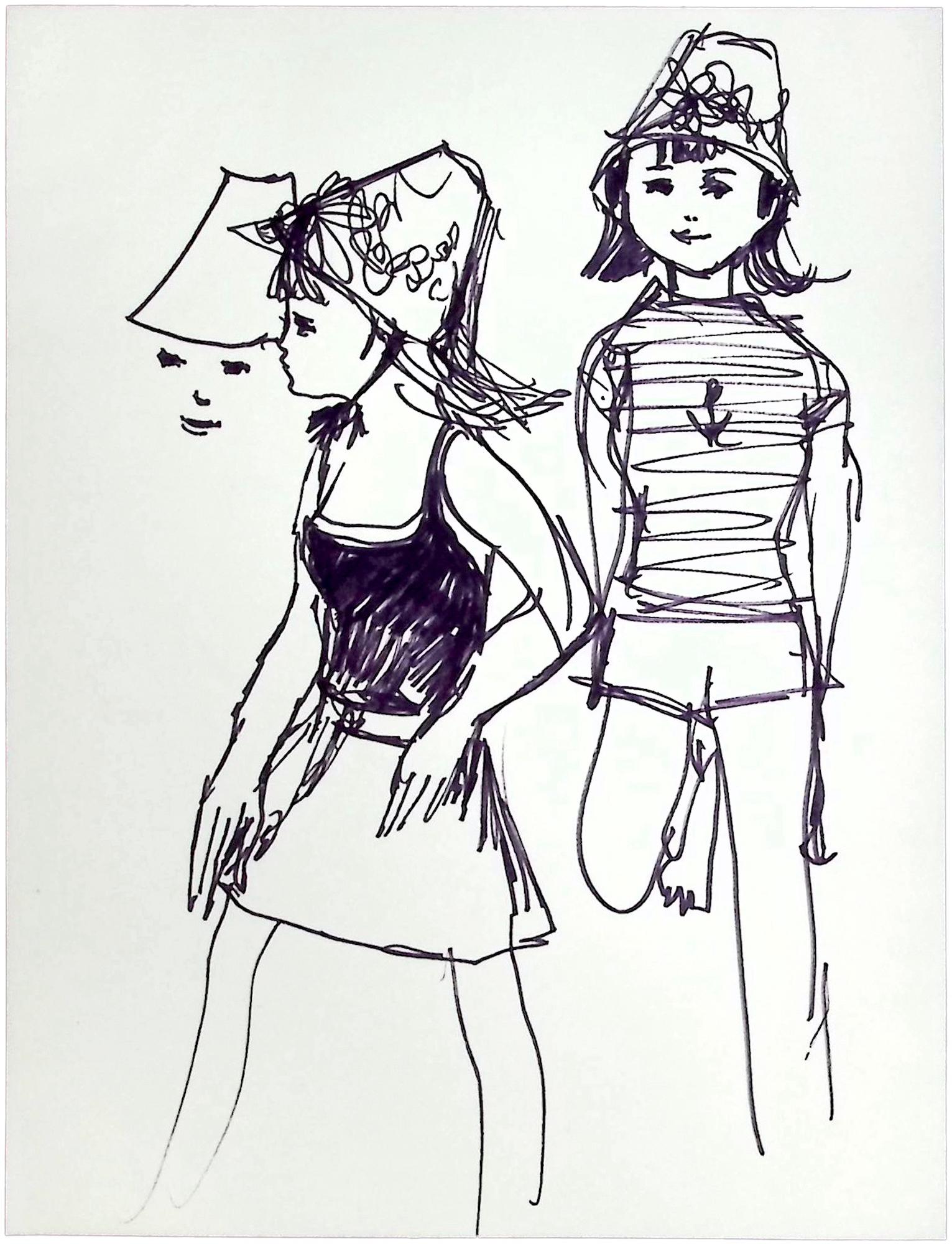
Untitled, c. 1968
British illustrator Janina Ede (1937-2018) created covers and illustrations for over 100 books from the 1950s to the 1980s. In the 1960s, Ede began working on children’s books. The Patchwork Pack (1968) by Freda Collins is about a group of ‘Brownies’ – the name given to members of the worldwide girl-guiding movement.
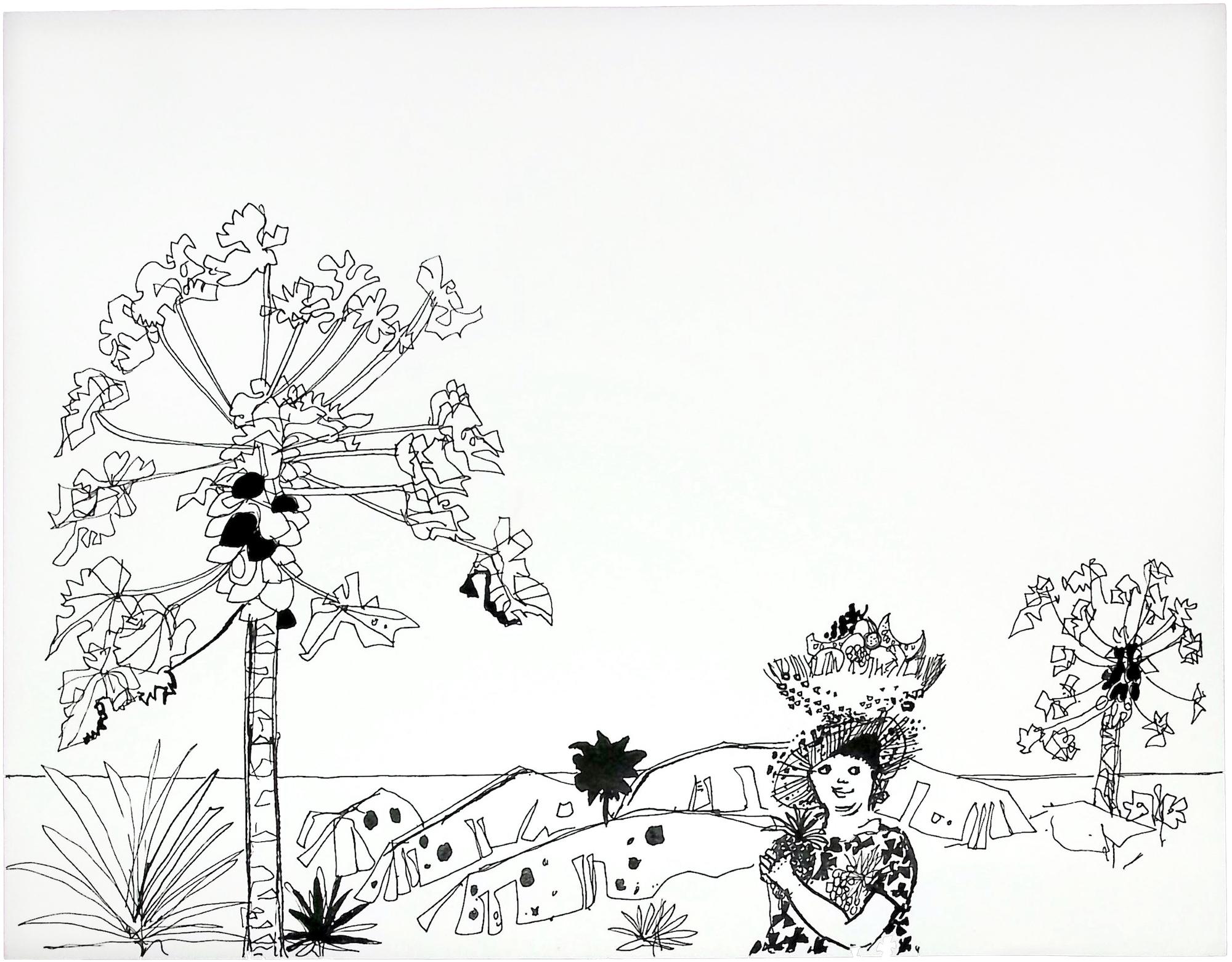
Untitled, c. 1968
British illustrator Janina Ede (1937-2018) created covers and illustrations for over 100 books from the 1950s to the 1980s.
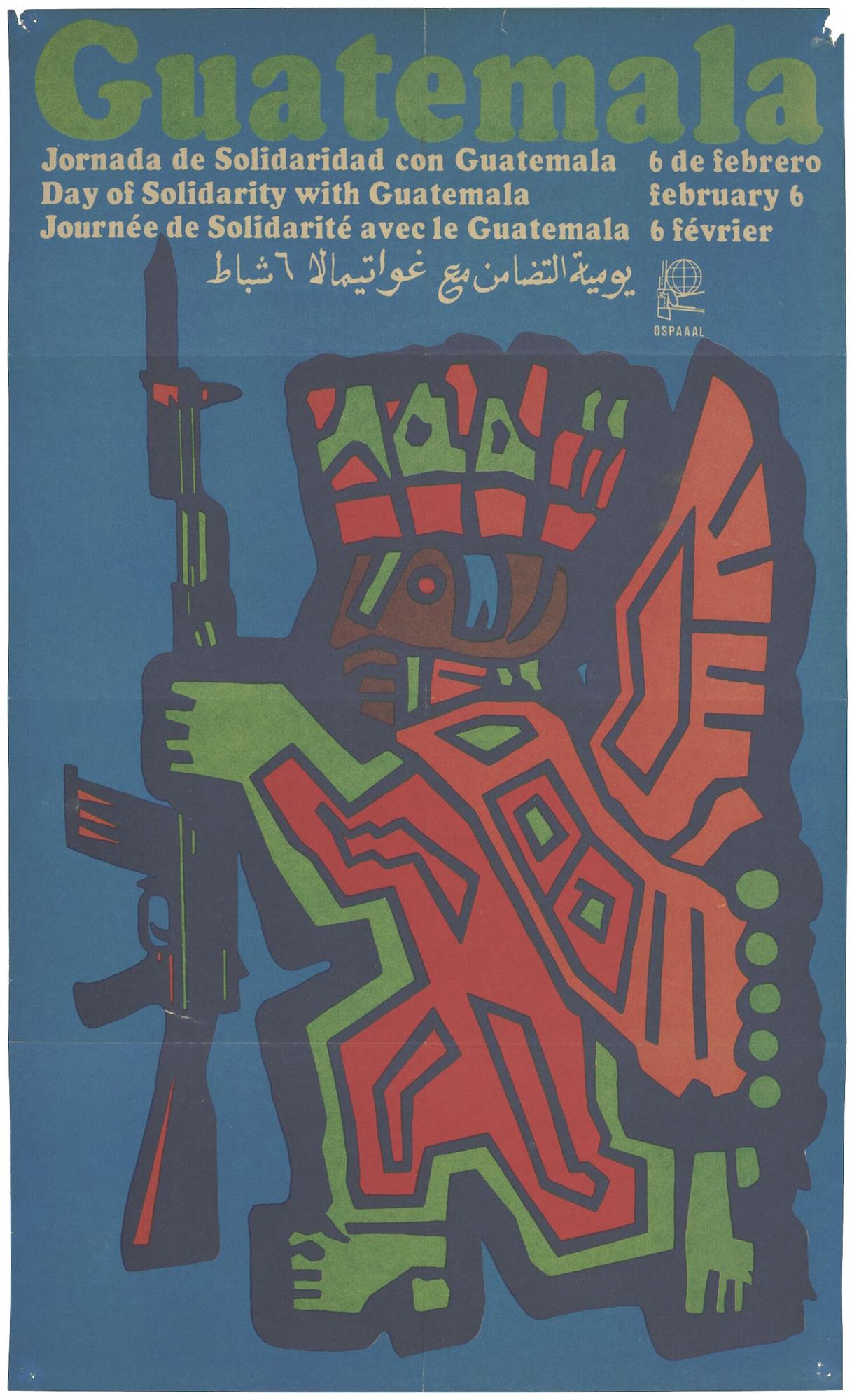
Day of Solidarity with Guatemala - february 6, 1968
Between the 1960s and 1990s, more than fifty designers worked at OSPAAAL. Based in Cuba, they made magazines and posters that were sent around the world. Their aim was to promote radical political ideas. Many of their posters celebrate socialist revolutions and liberation movements from the Global South. This poster was issued in support of leftist rebels fighting against the Guatemalan government during the Guatemalan Civil War. It shows a Mayan god holding an assault rifle. Many OSPAAAL designers combined images of Indigenous art and craft with weaponry. Their aim was to argue for the right to self-determination and support liberation movements opposing oppressive powers. However, the designers did not always know the meaning or origin of the iconography they used.
Content warning: weaponry
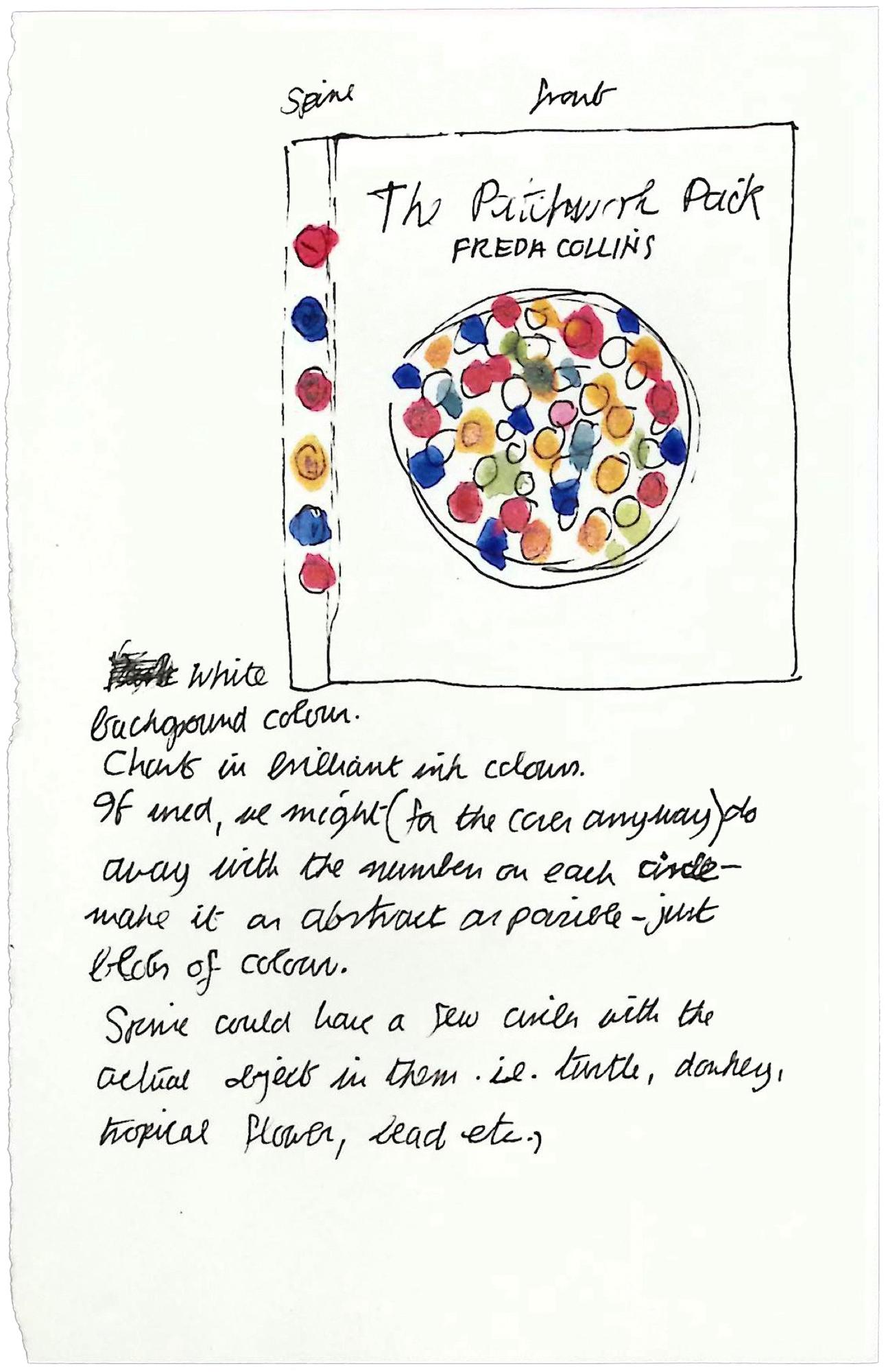
Untitled, c. 1968
British illustrator Janina Ede (1937-2018) created covers and illustrations for over 100 books from the 1950s to the 1980s. In the 1960s, Ede began working on children’s books. The Patchwork Pack (1968) by Freda Collins is about a group of ‘Brownies’ – the name given to members of the worldwide girl-guiding movement.
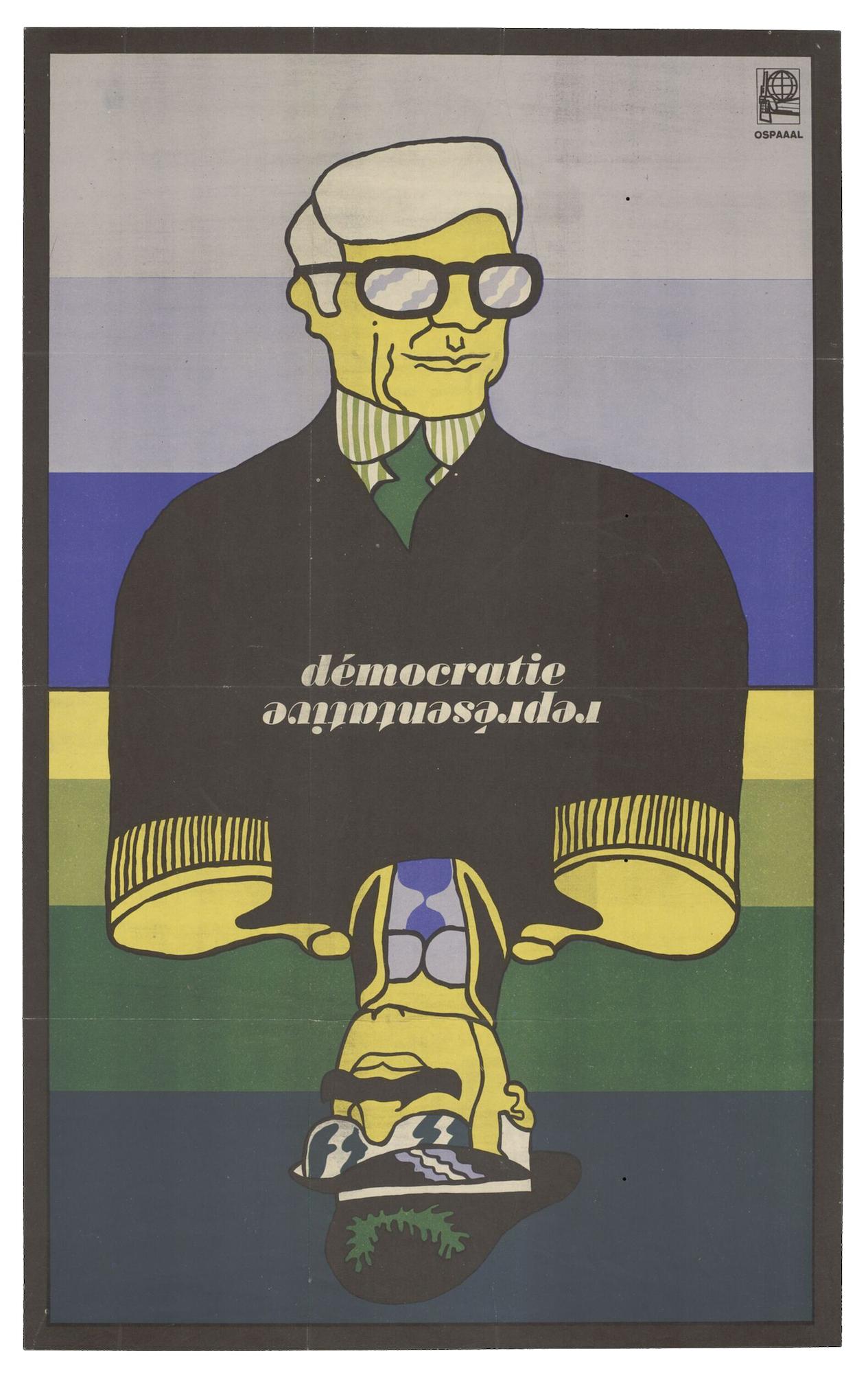
democracy representative, 1968
Between the 1960s and 1990s, more than fifty designers worked at OSPAAAL (the Organisation of Solidarity with the People of Africa, Asia and Latin America). Based in Cuba, they made magazines and posters that were sent around the world. Their aim was to promote radical political ideas. Many of their posters celebrate socialist revolutions and liberation movements from the Global South. Alfredo Rostgaard was OSPAAAL’s creative director from 1966 to 1976. His began his career as a caricaturist for socialist children’s comic Mella. For this poster, he created two linked characters representing a democratic politician and a military dictator.
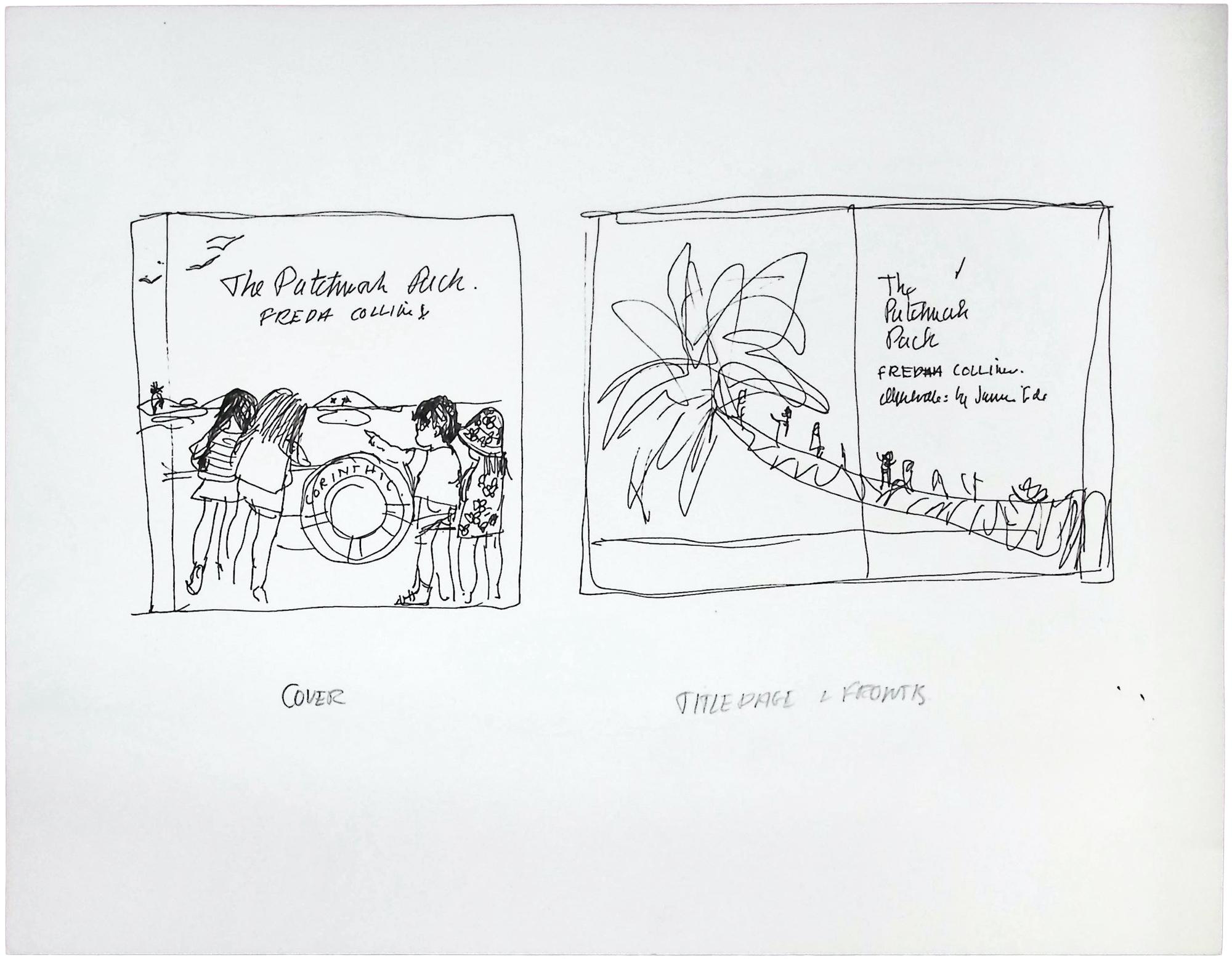
Untitled, c. 1968
British illustrator Janina Ede (1937-2018) created covers and illustrations for over 100 books from the 1950s to the 1980s. In the 1960s, Ede began working on children’s books. The Patchwork Pack (1968) by Freda Collins is about a group of ‘Brownies’ – the name given to members of the worldwide girl-guiding movement.
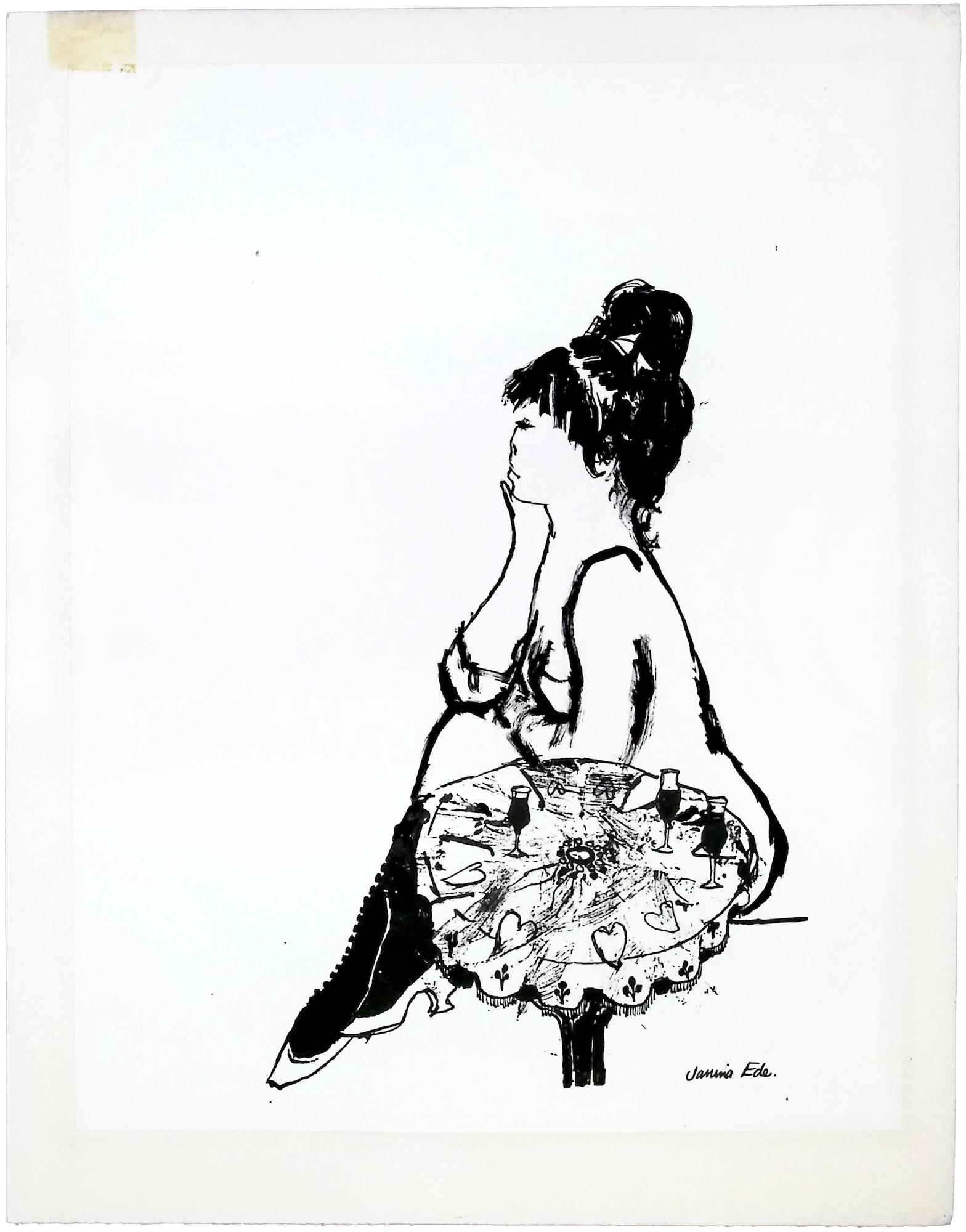
My Apprenticeships Ch.12 Noseless Prostitute, c. 1968
Janina Ede (1937-2018) created covers and illustrations for over 100 books from the 1950s to the 1980s. Ede often worked using just black ink, combining pen and brushwork to create bold illustrations with fine details.
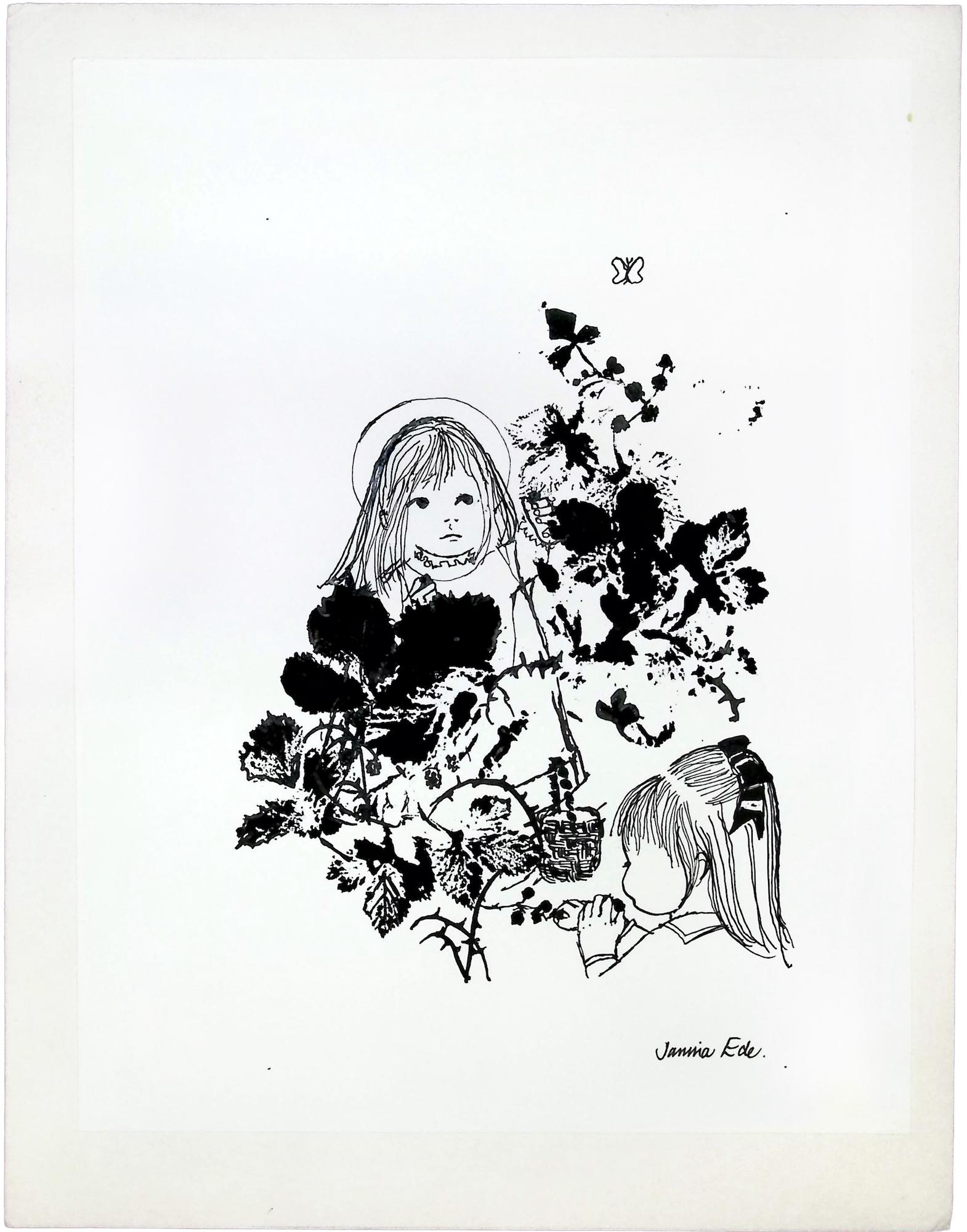
My Apprenticeships - Chapter 5 - Untitled, c. 1968
Janina Ede (1937-2018) created covers and illustrations for over 100 books from the 1950s to the 1980s. She often worked using just black ink, combining pen and brushwork to create bold illustrations with fine details. To represent plant life, Ede sometimes dipped leaves and grasses into ink and pressed them onto paper.